
Plan a Workshop That Meets Your Goals

Estimated reading time:
1 minute
“Oh great, another boring workshop.” Those words strike fear into the heart of every event planner. Despite our best intentions, workshops often fall flat, leaving participants checking their watches and organizers questioning their skills.
The workshop planning minefield is real. You might struggle with setting clear objectives that actually matter to your audience. Or perhaps you’ve watched helplessly as group activities fizzle out. Maybe it’s the practical stuff, like room setups, technical glitches, or time management, that trips you up.
Don’t worry. This guide offers a roadmap through the entire workshop journey. We’ll break down each planning stage into manageable steps, share proven engagement techniques, and help you create an experience that accomplishes your goals while actually being enjoyable.
Ready to say goodbye to workshop worries?
1. How to plan a successful workshop: Laying the groundwork
The best workshops emerge from solid research and genuine audience understanding. Before you even think about icebreakers or presentation slides, you need to dig into what actually matters to your potential participants.

Start by exploring the market landscape. What topics keep coming up in your industry conversations? Which challenges do people mention repeatedly in forums, social media, or networking events? This initial scouting helps you spot gaps where your workshop can provide real value instead of rehashing what everyone already knows.
Next, zoom in on your specific audience. Identify:
- Who exactly will attend your workshop?
- What keeps them up at night?
- What skills or knowledge would make their work lives better?
- What previous experience do they have with your topic?
Don’t just guess at these answers. Send out quick surveys to past contacts or ideal participants. Check reviews of similar workshops to see what people loved or found missing. Even a casual coffee chat with a few potential attendees can reveal surprising insights about what they’re really looking for.
Go beyond the obvious sources of information. A 30-minute interview with experts who aren’t direct competitors and who deeply understand your subject area can provide angles and insights you wouldn’t have considered.
Once you’ve gathered all this intelligence, the final step is crucial: match what you’ve learned with your unique expertise and perspective. The sweet spot for any workshop lies at the intersection of what people need and what you’re genuinely qualified to teach.
2. Set clear goals and define success metrics
Now that you understand your audience, it’s time to get crystal clear about what your workshop will accomplish.
First, determine your workshop’s fundamental purpose. Are you:
- Teaching practical skills that participants can use immediately?
- Sharing specialized knowledge to expand their understanding?
- Guiding them through solving a specific problem?
- Providing hands-on training with tools or techniques?
Your purpose shapes everything that follows, from your content to your activities.
Next, get specific about who you’re serving. A workshop for complete beginners needs a different approach than one for seasoned professionals. A corporate team looking to improve internal processes requires different examples than entrepreneurs seeking growth strategies. Defining your audience helps you pitch your content at exactly the right level.
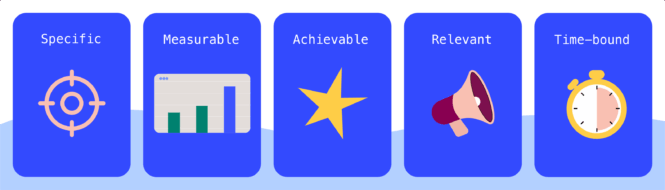
With your purpose and audience clear, craft Specific, Measurable, Achievable, Relevant, and Time-bound (SMART) goals that will guide your planning. Your workshop format should also be designed to support these goals.
Finally, decide how you’ll measure success beyond just filling seats. Will you track participant satisfaction through surveys? Measure engagement by monitoring questions and participation? Perhaps follow up weeks later to see if they’ve applied what they learned? The best success metrics connect directly to your workshop’s purpose and tell you whether you’ve truly made an impact.
3. Design an engaging workshop structure with clear outcomes
If you have ever sat through a workshop that felt like it was meandering aimlessly, you know exactly how important it is to have a solid structure for the session.
Fortunately, it’s easy enough to build a workshop framework that can keep your participants engaged and moving toward your workshop goals.
- Start by fixing your workshop’s central theme — the one big idea you want everyone to walk away with. Maybe it’s “Social media consistency creates business growth” or “Team conflict can become a creative advantage.” This key takeaway becomes your North Star for all planning decisions.
- Consider which teaching methods will best deliver your content:
- Straight lectures work well for complex information that needs clear explanation, while hands-on exercises help cement practical skills.
- Group discussions generate insights and encourage peer learning, case studies make abstract concepts concrete, and Q&A sessions address specific participant concerns.
- Most successful workshops use a mix of these approaches. For instance, you might explain a concept briefly, demonstrate it with a real example, then have participants practice in small groups.
- Visual aids, handouts, and digital tools can significantly boost learning. Consider creating presentations with more images than text and workbooks that participants can write in. You can also have digital collaboration boards for group activities and cheat sheets summarizing key points.
With your methods chosen, craft your agenda following this proven structure:
- Welcome and icebreaker (helps participants relax and connect).
- Workshop overview (sets expectations about what’s ahead).
- Content delivery in digestible chunks (15–20 minute segments work best).
- Interactive activities between content blocks (maintains energy).
- Reflection periods (helps participants process what they’re learning).
- Wrap-up and clear next steps (ensures learning continues after the workshop ends).
Don’t just assume this structure will work; test it! Run a condensed version with colleagues or friendly contacts who match your target audience. Their feedback can help you refine your timing, clarify confusing sections, or add missing elements.
Finally, develop a marketing plan for engaging participants before they even arrive. Send pre-workshop materials, questions to consider, or even short assignments that prime them for learning. Consider bringing in guest speakers who offer complementary expertise for specific sections, especially if they bring credibility or unique perspectives to your topic.
4. Master logistics: Venue, timing, and budget planning
Even the most brilliantly designed workshop can fall apart if the practical details aren’t handled with care. Let’s tackle the nuts and bolts that make everything run smoothly.
First, decide on your venue and format based on what will best serve your workshop goals:
- For in-person workshops, look beyond just price and location. Consider whether the space supports your activities. Will participants need to move around? Break into small groups? See a presentation screen from every seat? Also check for accessibility features, nearby parking, and reliable Wi-Fi.
- For virtual workshops, test several platforms before deciding. Look for tools that offer breakout rooms, polling, chat features, and screen sharing. Remember that fancy features mean nothing if they’re difficult for participants to use.
- For hybrid workshops (the trickiest format), ensure remote participants can see and hear everything. Position cameras to capture in-room activities and use quality microphones so virtual attendees don’t miss discussions.
Timing matters more than you might think. Schedule your workshop when your target audience is most available and alert. Avoid Monday mornings when people are catching up on emails or Friday afternoons when they’re mentally checking out for the weekend. For longer workshops, build in plenty of breaks. People learn better when they’re not hungry, tired, or desperately needing a bathroom.
Registration systems save tremendous headaches. Use online tools that automatically collect participant information, send confirmation and reminder emails, process payments if applicable, and track attendance data for your records.
Now for everyone’s favorite topic: money. Create a detailed budget that accounts for:
- Space rental costs (even virtual platforms often have fees for premium features).
- Equipment needs (projectors, microphones, cameras, etc.).
- Materials (printed handouts, workbooks, name tags).
- Refreshments for in-person events.
- Speaker or co-facilitator fees.
- Event marketing expenses to promote your workshop.
- Software subscriptions needed for activities or presentations.
Participants notice the details. When logistics run smoothly, people can focus entirely on what they came to learn, not on why the Wi-Fi keeps cutting out or where to find the restrooms.
5. Prepare essential materials, activities, and facilitation techniques
The difference between an amateur workshop and a professional one often comes down to preparation. Let’s explore what you need to have ready before your participants arrive.
- Create and organize all your workshop materials well in advance. For in-person sessions, this means preparing printed handouts or workbooks (with extra copies for last-minute attendees), name tags to help everyone connect, and supplies for activities. Don’t forget visual aids like posters or flip charts, plus any technology needs such as laptops and adapters for presentations.
- For virtual workshops, your digital materials require equal attention. Prepare polished slide decks with engaging visuals, digital worksheets participants can download, and pre-recorded video segments for complex demonstrations. Set up virtual whiteboards or collaboration tools ahead of time, and create step-by-step instructions for any tech tools you’ll use during the session.
Engagement doesn’t happen automatically; you need techniques to create it. Start your workshop with an icebreaker that connects to your topic. Instead of the tired “tell us your name and one fun fact,” try activities that reveal relevant experiences or challenges related to your workshop focus.
Throughout your session, mix in varied engagement methods. Include small group discussions where everyone gets a chance to speak, along with individual reflection moments that use guided prompts. Visual thinking exercises like mind mapping can work in any format, as can real-time polls that display instant results to spark conversation.
Even perfect plans sometimes go sideways, so prepare contingency plans for common issues. If technology fails, have analog alternatives ready. When certain activities fall flat, keep backup exercises in your pocket. For participants who dominate discussions, prepare gentle redirection phrases. And if energy dips, have quick energizer activities ready to deploy at a moment’s notice.
Finally, prepare yourself. Your energy sets the tone for the entire workshop. Practice your opening and closing remarks until they feel natural. Visit your venue (physical or virtual) beforehand to familiarize yourself with the space. Plan what you’ll wear, when you’ll arrive, and how you’ll manage your own needs during breaks.
If you’re working with co-facilitators, schedule a detailed run-through so everyone understands their roles and timing. Create a minute-by-minute agenda for your team that includes who’s responsible for what and when transitions will occur. This coordination behind the scenes is what allows the workshop to flow seamlessly for participants.
6. Measure success and improve future workshops
The workshop is over. Everyone’s gone home. Now comes one of the most valuable parts of the entire process — figuring out what worked, what didn’t, and how to make your next workshop even better.
Strike while the iron is hot by collecting feedback immediately after your session ends. This timing is crucial because participants’ impressions are fresh, and they’re more likely to respond. Digital surveys through tools like Google Forms or Typeform make this easy, just keep them brief (5–7 questions maximum) and focused on what you really need to know. For in-person workshops, consider setting aside the final 5–10 minutes for participants to complete the survey before they leave.
Don’t just ask if people “liked” the workshop. Dig deeper with questions like: “What one concept will you apply immediately?” or “Which activity provided the most value to you?” These responses tell you what actually stuck with participants rather than just what felt good in the moment.
Beyond participant feedback, conduct your own analysis of how things went. Review your original workshop goals; did you achieve them? Think about engagement levels throughout the session. Were there moments when energy dipped? Sections where participants seemed particularly engaged? This reflection helps identify your strongest content and delivery methods.
If you recorded your workshop (always a good idea), watch it with a critical eye. Notice your pacing, clarity of explanations, and how well you managed discussions. This can be uncomfortable, as nobody likes watching themselves on video, but it’s incredibly valuable for improving your facilitation skills.
The post-workshop period is also perfect for strengthening your relationship with participants. Within 48 hours, send a follow-up email with:
- A sincere thank-you for their participation.
- Any promised resources or materials.
- A summary of key takeaways.
- The next steps they might take to apply what they learned.
- An invitation to continue the conversation through your newsletter, community, or social channels.
For professional development workshops, consider providing certificates of completion that participants can share with employers or add to their LinkedIn profiles.
7. Use professional tools for workshop planning and management
Behind every smooth workshop experience is a collection of digital tools that help organizers stay on track. The right software can save you hours of work and prevent common headaches. Let’s explore the essential toolkit for modern workshop creators.
Planning and organization:
- Agenda planning: Google Sheets for collaborative scheduling.
- Task management: Trello, Asana, or Todoist to track responsibilities.
- File sharing: Dropbox or Google Drive to centralize materials.
Registration and scheduling:
- Online registration: Event Tickets Plus, Ticket Tailor.
- Scheduling tools: Calendly, Google Calendar, The Events Calendar.
Content creation and presentation:
- Presentation design: PowerPoint or Canva.
- Collaboration tools: Miro, Mural, or FigJam for interactive activities.
- Content assistance: ChatGPT or Claude.ai for generating ideas and materials
Workshop delivery:
- Video conferencing: Zoom (for breakout rooms), Google Meet, or Whereby.
- Communication platforms: Slack, MS Teams, or Discord for participant interaction.
- Learning platforms: LearnDash or Teachable for recurring workshops.
Feedback and improvement:
- Survey tools: Google Forms, Typeform.
- Feedback collection: Promoter by The Events Calendar.
Choose tools that support your specific workshop goals rather than adopting every shiny new app. The best digital solutions enhance your workshop experience without participants even noticing the technology behind it all.
Get your workshop up and running
Planning a workshop might seem overwhelming at first, but breaking it down into manageable steps makes all the difference. The effort you put into preparation pays off when you see participants actively engaged, sharing insights, and walking away with valuable new skills or perspectives.
Great workshops rarely happen by accident. They’re the result of thoughtful research, clear goals, engaging activities, and careful attention to logistics. Each workshop you run becomes an opportunity to refine your approach and build your reputation as someone who delivers genuine value.
And if you’re looking to promote your workshop effectively, check out The Events Calendar’s Event Marketing bundle, packed with resources to help attract the right participants to your session.
Ready to get started? Let’s make your workshop the highlight of someone’s professional development journey!

Nathan
View author page