
Venue Marketing Strategies That Maximize Bookings

Estimated reading time:
1 minute
If you’ve ever felt uncertain about how to bring more bookings to your venue, you’re not alone. You know your space has so much to offer — stunning layouts, ideal locations, or even one-of-a-kind features, but how do you ensure the right people find out?
For many venue owners and managers, the problem in marketing their venue isn’t the lack of effort but the lack of direction.
Fortunately, venue marketing doesn’t have to be complicated. At its core, successful venue marketing combines three key elements: a strong brand identity, meaningful partnerships with event planners, and a strategic approach to both online and offline channels.
With that in mind, let’s break down some actionable strategies to help you fill up your calendar, increase your revenue, and build a strong foundation for long-term success.
Pre-requisites for implementing venue marketing strategies
A clear understanding of your target audience, the venue’s unique selling points, and competitive positioning are some of the prerequisites to build a solid framework for your venue marketing efforts.
Identify your event niche(s)
What types of events is your venue best suited for? This is the question you need to answer to attract clients who are a perfect match for your space.
For instance, your venue may lend itself beautifully to intimate weddings, large corporate gatherings, or live music performances. All three of them seem very different at first glance, but if you think about it, they have several similar requirements.
When identifying your niche, consider the following factors:
- Space and capacity: Is your venue more suitable for smaller gatherings, such as private parties, or larger groups, like trade shows or conferences?
- Amenities: Are you equipped with state-of-the-art audiovisual setups, bridal suites, or catering options?
- Atmosphere: Does your venue have a casual, rustic vibe or a sleek, modern aesthetic?
Once you’ve clearly defined your event niche, you’ll find it easier to shape your marketing strategies to appeal to the clients who value what your venue offers.
Identify your target audience
It goes without saying that the type of clients you want to attract will often depend on your niche. For example, if your venue caters to weddings, you might want to connect with wedding planners or engaged couples. If you specialize in corporate events, you’ll likely target corporate event managers or HR teams.
The key is to target people who are decision-makers rather than attendees. Ask yourself:
- Who is making the decisions? Corporate planners? Couples? Individuals planning private events?
- What are their pain points? Are they looking for an all-inclusive experience or a unique venue that will stand out? Understanding their challenges will enable you to position your venue as the solution.
- What factors influence their choices? Location, accessibility, budget, or amenities often play a key role in decision-making.
The more you know about your audience, the easier it becomes to personalize your messaging and get maximum ROI out of your marketing efforts.
Identify your venue’s unique features and benefits
Every venue has something that sets it apart from the competition. Identify and showcase your USPs to position your space as the ideal choice for their events.
Start by listing all the standout aspects of your venue:
- Architectural details like historic charm, grand windows, or industrial vibes can be appealing selling points.
- Flexibility to accommodate different layouts or provide multi-use spaces is an important consideration, especially for multi-day events.
- Offering all-inclusive packages, such as bundled services like catering, furniture rentals, or event planning, is a strong advantage.
- Location matters. Is your venue centrally located, surrounded by scenic views, or easily accessible by public transportation? Turn it into a USP!
- Unique aspects, like rooftop terraces, gardens, or being part of a historic landmark, are worth promoting.
Highlighting these unique selling points across your website, social media, and promotional materials ensures your venue stands out in a competitive market. Clients are more likely to book when they can immediately see how your venue aligns with their needs and vision.
Do a competitive analysis of your property
Standing out in a crowded market starts with understanding your competition. Focus on venues offering similar spaces and services within your market area. As you research, pay attention to their pricing structures, included services, and any promotional offers. This will give you a clearer picture of where you stand and help you refine your approach to meet the needs of your ideal clients.
Explore their marketing strategies, including websites and social media, to find opportunities for differentiation. Online reviews can be a great way to understand what clients like or dislike about existing venues to improve your venue offerings.
Finally, look for untapped opportunities or trends in your market. For example, if sustainability is in demand but few venues are offering eco-friendly options, positioning your venue as a green choice could set you apart.
Define your venue marketing goals
Clear, actionable goals keep your marketing on track. Instead of vague targets, use SMART (Specific, Measurable, Achievable, Relevant, and Time-bound) principles of goal-setting.
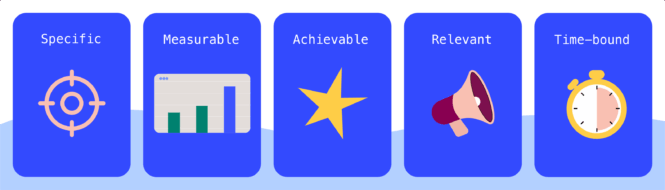
- Be specific and measurable: Set precise goals like:
- Increase bookings by 20% in six months.
- Grow Instagram followers by 30% in three months.
- Boost website traffic by 15% in one quarter.
- Stay realistic: Aim for goals that challenge you but are achievable, like a 10–20% booking boost. Avoid unrealistic goals like doubling bookings overnight, which set your team up for failure.
- Align with your vision: Focus on goals that support your niche. Target corporate event planners or wedding clients, depending on your specialty.
- Set deadlines: Create urgency with time-bound goals. For example, hit engagement targets by the end of the quarter.
- Monitor and adapt: Track progress and adjust strategies if needed. If website visits aren’t converting, tweak calls-to-action and refine content, or explore other marketing channels to improve revenue.
Have focused, flexible goals to ensure your marketing brings real results.
Essential venue marketing strategies that drive bookings
When a couple is scrolling through dozens of venue options, or an event planner is racing a deadline to secure a space for their next big conference, how can you make them stop and say, “This is the one”? By showing them why your space is the perfect fit for their vision. Here are some strategies to stand out in a crowded market, captivate the right audience, and turn fleeting interest into confirmed bookings.
1. Update your website with SEO best practices
Your website is often the first impression potential clients have of your venue, making it crucial that it not only looks great but also ranks well in search results. To maximize visibility, you need to optimize your website specifically for local SEO.
- Focus on local keyword optimization. Use geo-targeted keywords like “event venue in [city]” or “wedding venue [city]” naturally throughout your site, especially on key pages like your homepage and event-specific pages.
- Incorporate location-based content. Share blog posts about local events or testimonials from clients in your area to strengthen local SEO and connect with the community.
- Polish your venue pages by adding high-quality images, clear descriptions, FAQs, and transparent pricing to make it easy for visitors to find the information they need.
- At the website backend, implement structured data markup to help search engines display important details like your location, hours, and services on search result pages.
- Build trust with client reviews and testimonials. Include case studies to showcase your value and credibility. Make sure to use video testimonials wherever possible.
2. Have professional, high-quality venue photos
Great photos sell your venue better than any text ever could. Investing in professional photography is a must to showcase your space in the best possible light. Capture high-quality images of your venue’s interior and exterior, showcasing how it looks from every angle when set up for various events like weddings or corporate gatherings.
Create a digital photo gallery and a printed portfolio to make it easy to share your visuals with potential clients. Include these images on your website, social media, and listings on venue directories.
For instance, here are a few examples of popular wedding and event locations across USA.
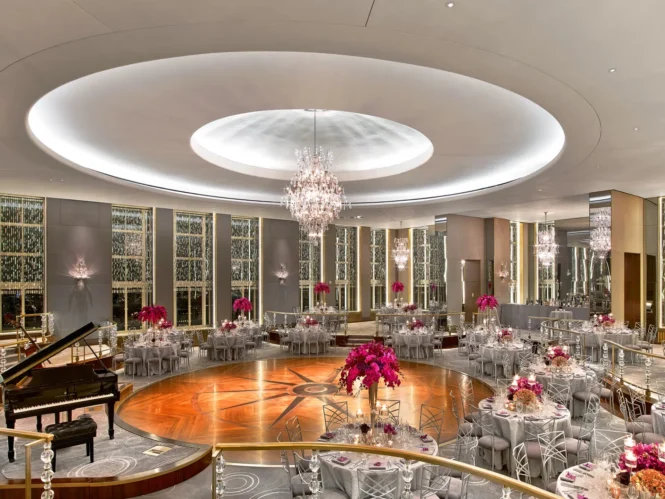
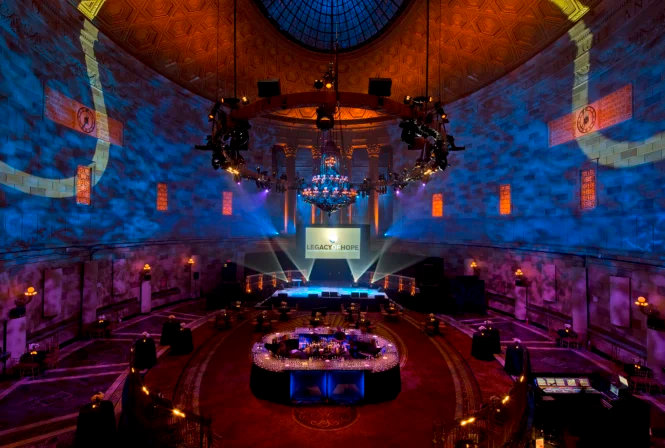
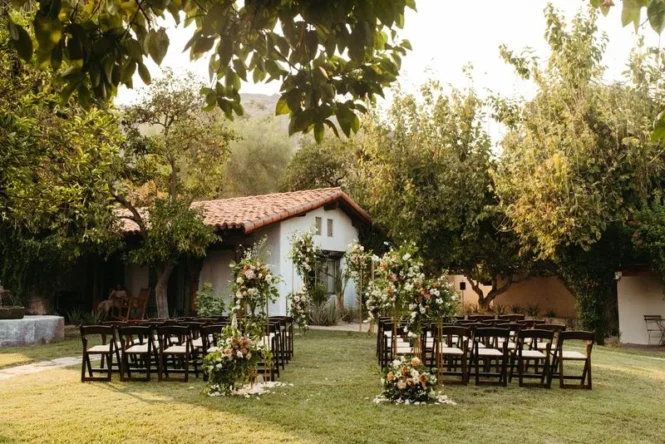
Images like these, which highlight your venue’s beauty and flexibility, give potential clients a clear vision of what their event could look like, making them more likely to book.
3. Set up your Google My Business listing
A strong Google My Business (GMB) listing makes it easier for potential clients to find your venue online and get the information they need at a glance.
- Claim and optimize your profile: Ensure your GMB listing includes accurate details like your address, contact info, business hours, and high-quality photos.
- Encourage client reviews: Ask happy clients to leave reviews on Google. Positive feedback boosts your credibility and can sway potential clients.
- Update regularly: Keep your profile fresh by adding new photos, event highlights, or details about special promotions.
4. Create virtual tours of the venue
Virtual tours offer a vivid, immersive way for clients to visualize their event in your venue, making it easier for them to take the next step and book.
Interactive, high-quality virtual tours allow clients to explore every corner of your venue from the comfort of their own devices. It’s the next best thing to being there in person. Professional and engaging videos can showcase your venue at its finest, from elegant event setups to unique architectural details, helping visitors fall in love with the possibilities.
Share detailed layouts with dimensions, seating configurations, and setup options to make event planners’ jobs easier and demonstrate your venue’s flexibility. Maximize the impact of your virtual tours by sharing them across your website, social media, and email campaigns.
5. Stay active on social media
Consistently posting engaging content keeps your venue top-of-mind and shows potential clients what your space has to offer.
Showcase your venue’s full potential with in-event photos and short, attention-grabbing videos like Instagram Reels or TikToks. Highlight decor, lighting, and unique features that bring your space to life. Use location tags and hashtags to broaden your reach, and collaborate with event planners or local vendors for added exposure.
Most importantly, stay responsive. Promptly reply to comments and inquiries to build trust and approachability. Don’t forget to tap into trending themes or challenges to keep your content fresh and relevant.
6. Tap into the power of content marketing
Content marketing is a powerful way to position your venue as an industry expert and a go-to option for clients. Start a blog to share event planning tips, decorating ideas, or trending themes that attract potential clients. Offer downloadable resources like planning guides to add value and capture leads.
Repurpose blog posts into bite-sized tips for social media or email newsletters to maintain consistent messaging across platforms. Valuable, relevant content helps you connect with the right audience and solidifies your venue as their ideal choice.
7. Make use of paid advertising on search engines and social media
Paid advertising gets your venue in front of the right people. Platforms like Google, Facebook, and Instagram allow you to target specific audiences and drive inquiries fast.
- Run Google Ads: Focus on event-related searches in your area, like “best wedding venues in [city]” or “conference spaces near me.” These ads show up when people are actively looking for venues.
- Target on social media: Use Facebook and Instagram ads to reach engaged couples, corporate planners, or anyone else looking for event spaces. You can narrow down your audience by location, interests, or planning stage.
- A/B test your ads: Experiment with different headlines, images, and calls to action to figure out what resonates most with your audience and delivers the best results.
With a carefully planned ad strategy, you can attract more attention to your venue and turn clicks into bookings.
8. Develop an email marketing strategy
Email marketing is your direct line of contact for clients who are just one nudge away from booking their next event. It’s personal, cost-effective, and a surefire way to keep your venue top-of-mind.
Start by building your mailing list with past clients, event planners, and local vendors. Sweeten the deal with a freebie, like a wedding checklist or a corporate event planning guide, to encourage sign-ups. Once they’re on your list, keep them hooked with a monthly newsletter featuring venue updates, stunning event photos, and expert tips that position you as the go-to source for events.
Make your emails irresistible by sprinkling in exclusive offers, like early-bird discounts, seasonal packages, or VIP perks, to create urgency and help convert interest into bookings.
9. Connect with professional event planners
Event planners and coordinators can be some of your most valuable connections when it comes to increasing bookings. These professionals often act as decision-makers or trusted advisors for clients trying to find the perfect venue. Build strong relationships with them and say hello to a consistent stream of referrals and collaborations.
- List your venue in directories like WeddingWire, The Knot, and Peerspace. These are go-to sources for planners and clients alike, making them essential for increasing your visibility.
- Create commission-based partnerships or other perks for planners who bring you clients. For example, you could offer a percentage of the booking fee or exclusive access to certain resources at your venue.
- Host open houses for planners and organize networking events exclusively for event professionals. This allows planners to see your space in action and experience its potential firsthand.
- Make a planner’s job easier by connecting them with reliable vendors like decorators, DJs, caterers, and florists. Building a network of trusted professionals makes event planning painless for event managers and can make your venue a favorite for their future events.
- Don’t treat planners like just another contact on your list. Get to know their style and what their clients value, and tailor your communication to show how your venue fits their needs. For example, if a wedding planner’s niche is rustic-style weddings, highlight how your barn venue offers perfect ambiance and decor flexibility. Or, if a corporate planner prioritizes high-tech facilities, emphasize your state-of-the-art AV setup and breakout spaces.
Building connections is all about creating relationships that planners trust. When event professionals are confident in your space and services, they’ll be eager to recommend you to their clients.
10. Develop partnerships with trusted event vendors
One of the smartest ways to increase your venue’s appeal and simplify planning for clients is by building strong relationships with event vendors like caterers, florists, decorators, AV technicians, and entertainment providers. This creates a smooth experience for your clients and also sets the stage for consistent referrals and co-marketing opportunities.
Couples and planners love working with venues that come with a vetted team of professionals they can trust. To take this strategy a step further, consider hosting a vendor showcase event at your venue. It’s exactly what it sounds like — a special day where your partnered vendors set up booths, give demos, and offer samples (especially the food ones!) while potential clients walk through your space and envision their event coming to life.
Tips to make vendor partnerships work:
- Choose vendors whose quality of service matches your standards.
- Create a preferred vendor list to share with clients.
- Offer special booking packages that include vendor services.
- Host annual or seasonal open house events or showcases to highlight your vendor network.
- Co-promote events or special offers on each other’s websites and social media.
Clients remember when planning is made easier, and that’s the kind of impression that leads to referrals and repeat business.
11. Start a referral program
Word-of-mouth is a powerful driver for venue bookings, so why not give clients and vendors an extra reason to spread the word? A referral program is a simple way to turn happy clients and partners into active promoters of your venue.
Encourage previous clients to recommend your venue to their friends and family by offering rewards. For instance, you could provide discounts on future bookings, gift cards, or special perks like complimentary upgrades for referred clients.
For example, a bride who just had a flawless wedding reception at your venue is the perfect candidate to endorse your space, whether it’s on social media or directly to her engaged friends. These recommendations feel authentic and can carry more weight than generic advertisements.
Make it easy to track referrals by setting up a system with personalized codes or links. This way, you know exactly where your new bookings are coming from and can reward the referrer quickly.
12. Create a good venue reputation
Your venue’s reputation can make or break your ability to attract new clients. A positive online presence establishes trust and credibility, making your venue the obvious choice.
We’ve talked about asking satisfied clients to leave reviews on platforms like Google and Yelp.
However, note that it’s also important to take time to respond to all reviews. Thank positive reviewers for their kind words, and address any negative comments with professionalism and solutions. This shows that you value feedback and care about your clients.
Building a reputation is not easy. You need to actively manage and promote your venue to build universal confidence in your ability to host events.
13. Create competitive booking packages
Competitive packages give clients clear value while making your venue an easy choice.
Create well-thought-out, tiered packages to suit different event budgets and make your venue more attractive to a wide range of clients. Partner with trusted vendors to offer add-on services like catering, audiovisual setups, or decoration services. Customizable options let clients tailor their experience to their needs.
Last but not least, analyze booking data, such as inquiry-to-booking ratios, seasonal trends, and client preferences, to fine-tune your packages and pricing. For example, if you notice a spike in corporate inquiries during the winter months, consider creating a winter-specific package with perks like discounted weekday bookings or bundled AV services.
Start maximizing your venue bookings today
Marketing your venue successfully comes down to taking action and staying consistent. Use a mix of the strategies we’ve discussed above to draw in the right clients and keep your calendar full.
The effort you put in now will pay off with increased bookings, stronger partnerships, and a standout reputation in your market. You’ve got the tools, now it’s time to put them to work.
Take the first step, and watch your venue thrive! And if you need more helpful tips on how to organize and manage events, sign up for our newsletter.

Nathan
View author page