
Educational Event Planning That Engages All Stakeholders

Estimated reading time:
1 minute
What separates forgettable educational events from those that spark lasting change? The buzz of conversation, the moment of collective insight, the connections that last long after the final session.
When done right, these gatherings energize participants and make them feel invested in the outcomes of the event.
Yet anyone who’s organized such events knows the behind-the-scenes reality: a complex balance of aligning educational goals, managing logistics, and keeping everyone from administrators to reluctant participants engaged throughout.
Consider this guide your strategic partner in creating standout educational events. We’ve distilled the process into clear, actionable steps that work whether you’re organizing a parent-teacher workshop or an elaborate academic conference.
Let’s look at how you can convert attendees from passive observers into engaged participants who can’t wait to put new insights into action.
Key stakeholders in educational event planning
The first step in creating a successful educational event is identifying and understanding your stakeholders. These individuals and groups will influence your planning decisions and ultimately determine your event’s success.
| Internal stakeholders | External stakeholders |
| School administrators who approve budgets and align events with institutional goals. Teachers and faculty who integrate events into the curriculum and classroom activities. Students who participate in and often help organize events. PTA members who provide volunteer support and community connections. Corporate trainers and HR teams for professional development events. | Parents who support student participation and often volunteer. Guest speakers and industry experts who provide specialized knowledge. Sponsors who provide financial or in-kind support. Vendors who supply necessary services and equipment. Media partners who help promote your event to wider audiences. |
Understanding each stakeholder’s needs and expectations helps you design an event that delivers value to everyone involved. This stakeholder-centered approach leads to higher engagement, better outcomes, and stronger support for future events.
Educational event planning process
1. Define event objectives
Clear objectives provide the foundation for every successful educational event. Without them, you risk creating an experience that fails to deliver meaningful outcomes. Start by identifying what you want to achieve:
- Knowledge sharing and skill development.
- Networking and community building.
- Student engagement and participation.
- Fundraising for educational initiatives.
- Professional development for educators.
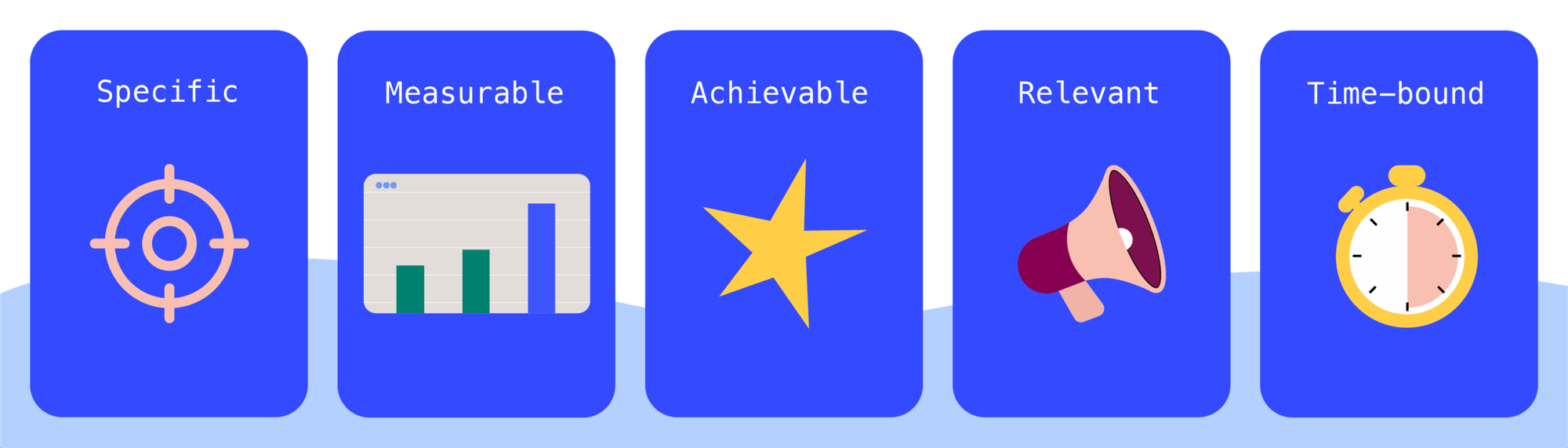
Then, create practical objectives following the SMART framework. For example, rather than setting a vague goal like “host a successful science fair,” make a SMART objective like, “Increase student participation in STEM activities by organizing a science fair that engages at least 85% of students in grades 3–5 by May 15th.”
Once you’ve established your objectives, choose a theme that reinforces your goals while capturing the interest of your target audience. This helps you maintain cohesion across all event elements and makes marketing more effective.
2. Decide on a budget and create a financial plan
Educational events often face tight budget constraints, making financial planning crucial. A well-structured budget prevents unexpected shortfalls and helps you allocate resources efficiently. We’ve written a more detailed post on how to create your event budget, but here’s the brief process for you.
Begin by identifying potential funding sources. These can include:
- School or departmental budget allocations.
- Grants from educational foundations.
- Corporate sponsorships.
- Ticket sales or registration fees.
- PTA/PTO fundraising.
Next, estimate your major expenses:
- Venue rental (if using off-campus facilities).
- Speaker fees and travel expenses.
- Marketing and promotion materials.
- Catering and refreshments.
- Audio-visual equipment and technical support.
- Educational materials and supplies.
- Decorations and signage.
Create a detailed budget spreadsheet that tracks both anticipated and actual expenses. Make sure to use a budget tracking tool that integrates with your event planning timeline and lets you monitor financial progress throughout the planning process.
Pro tip: Always include a contingency fund of 10–15% to cover unexpected costs that inevitably arise during event planning.
3. Build your event management team

Every successful event needs a great team behind it. When you bring together people with different skills and give them clear jobs, your event will run much smoother.
Key team positions include:
- Event coordinator: The person in charge who keeps track of everything and makes sure the event stays on schedule.
- Logistics lead: Takes care of the space, equipment, and making sure everything works on the big day.
- Marketing lead: Creates exciting messages that make people want to come to your event.
- Volunteer manager: Finds helpful people, shows them what to do, and keeps them organized.
- Budget manager: Watches the money carefully and makes sure you’re spending wisely.
For school events, get students involved in planning! They’ll gain leadership skills and help create an event their classmates will actually enjoy. Students often have the best ideas for making events fun and interesting.
4. Select a venue
The right venue creates the foundation for a successful educational event. Your choice affects everything from participant comfort to technology capabilities and overall atmosphere.
When evaluating on-campus versus off-campus options, consider:
| On-campus advantages: | Off-campus advantages: |
| Cost savings (often free or heavily discounted). Familiar environment for students and staff. Easier access to school resources and equipment. Reinforces connection to the educational institution. | Professional atmosphere for academic conferences. Specialized facilities for specific activities. Neutral ground for multi-school collaborations. May offer all-inclusive packages with catering and A/V. |
Key factors to evaluate when selecting any venue:
- Capacity aligned with expected attendance.
- Accessibility for all participants, including those with disabilities.
- Technology infrastructure (Wi-Fi, projection, sound systems).
- Flexible room configurations for different activities.
- Proximity to transportation and parking availability.
Book your venue early, especially if planning around busy academic periods. Make sure to identify potential conflicts with other school events before finalizing your date.
5. Choose the date and time
Finding the sweet spot for your event timing means navigating the complex intersection of academic calendars, stakeholder schedules, and seasonal factors.
- Choose periods that avoid exam weeks and major deadlines when stress levels run high and participation typically plummets.
- Consider your audience carefully; weekday events generally work best for integrated school activities, while weekend events dramatically increase parent and community participation.
- For professional development, in-service days deliver the highest engagement, allowing educators to focus without classroom distractions.
Weather and seasonal patterns play a surprisingly significant role in attendance. Spring events typically see higher participation than winter ones, especially in regions with challenging weather.
Don’t overlook competing activities that might steal your thunder! That perfect Thursday in May might also be championship game day. Scan overlapping school events that might dilute attendance. This simple step can prevent the frustration of competing with another department’s long-scheduled activity.
Last but not least, the availability of your keynote speakers or presenters will often be the deciding factor in narrowing down your options.
Finally, remember to build in adequate lead time as complex educational events require at least 8–12 weeks of promotion to reach maximum awareness and registration numbers.
6. Develop an educational event framework that drives participation
The most successful educational events balance structured learning with interactive elements that keep participants engaged. Your program should reflect your objectives while providing varied formats that appeal to different learning styles.
Effective educational event frameworks include:
Diverse session formats:
- Keynote presentations that inspire and set the tone.
- Breakout workshops for hands-on learning.
- Panel discussions featuring multiple perspectives.
- Student-led demonstrations or presentations.
- Interactive exhibits or poster sessions.
Engagement strategies:
- Incorporate student-centered experiences like peer teaching.
- Use gamification techniques such as challenges or competitive elements.
- Include hands-on demonstrations that allow for practical application.
- Implement digital tools for live polling and Q&A sessions.
- Build in structured networking opportunities.
Create a well-structured schedule with clear time blocks, room assignments, and descriptions. The Events Calendar offers customizable event templates that allow you to create and share professional schedules online, enabling participants to plan their experience in advance.
For multi-track events, consider using color-coding or themes to help attendees navigate options and create personalized agendas that align with their interests.
7. Market the educational event
Even the best-designed event will fall flat without effective promotion. Educational event marketing requires targeted approaches that reach and resonate with your specific stakeholders.
It’s always good to create a detailed marketing plan to build awareness and excitement leading up to your event, but here’s a rough framework to get started:
- 8–12 weeks before: Announce the event date and theme. Begin selling tickets if applicable.
- 4–8 weeks before: Share the program details and registration information.
- 2–4 weeks before: Highlight speakers and special activities.
- 1–2 weeks before: Send reminders and last-minute information.
Pro tip: Use Promoter by The Events Calendar to set up automated email campaigns that send reminders and updates at strategic intervals, maintaining engagement without excessive manual work.
You can leverage multiple channels, like school newsletters and websites, classroom announcements and take-home flyers, social media platforms with event-specific hashtags, direct email campaigns to targeted stakeholder groups, community bulletin boards, and local media for maximum reach.
For larger events, it’s good to create a dedicated event website or landing page with The Events Calendar, featuring:
- Event details (date, time, location).
- Program schedule and session descriptions.
- Speaker profiles and presentation topics.
- Registration information.
- An FAQ section addressing common questions.
To streamline event registration and enable attendees to secure their spot online while providing you with valuable attendance data and communication channels, you can use a ticketing and registration system like Event Tickets Plus.
8. Manage logistics and event-day resources
The difference between exceptional and adequate educational events is not in grand gestures but in meticulous attention to the details that participants notice subconsciously.
This means you need to:
- Develop a comprehensive venue preparation strategy that addresses both functionality and atmosphere.
- Design an appropriate seating configuration that supports your learning objectives. For instance, theater-style for presentations, round tables for collaboration, or flexible arrangements for mixed activities.
- Place strategic signage to eliminate confusion and create a professional first impression, while thoughtfully positioned registration areas prevent bottlenecks during check-in.
Technical failures represent the single greatest threat to your event’s success. You can combat this by implementing a rigorous testing protocol for all audiovisual equipment at least 24 hours before your event, with backup systems ready for immediate deployment.
Wi-Fi capacity often becomes the unexpected weak link, so confirm not just availability but bandwidth sufficient for your anticipated usage. Nothing undermines a presenter’s credibility faster than technology issues, so preload and test all presentation files on the actual equipment they’ll use, not just your planning laptop.
Note that participant resources should balance comprehensiveness with sustainability. Digital programs reduce waste while allowing last-minute updates, but consider offering printed versions for critical information. Implement a streamlined check-in process through Event Tickets Plus’ QR code check-in functionality to eliminate long lines at the start of your event. Creating a logistics command center with a designated troubleshooter empowered to make quick decisions when inevitable challenges arise is also a good idea.
Participants rarely notice perfect logistics, but they always remember failures.
9. Have emergency management plans in place
Safety must be a priority for any educational event. Comprehensive emergency planning protects participants while giving your team confidence to handle unexpected situations.
Develop protocols for these potential scenarios:
- Medical emergencies.
- Weather-related disruptions.
- Technology failures.
- Security concerns.
- Missing persons (especially for events with younger students).
For each scenario, create a clear response plan and arrange:
- Designated team members with specific responsibilities.
- Communication procedures for alerting necessary personnel.
- Clearly marked evacuation routes and gathering points.
- Contact information for emergency services.
Document these plans and share them with all team members and volunteers during training. Post essential emergency information prominently at the event, including the location of first aid stations, exits, and emergency contacts.
10. Train volunteers and run a rehearsal

Your volunteers are the human interface of your educational event, and their confidence and competence directly shape participant experiences. Invest in thorough training that transforms nervous helpers into empowered ambassadors.
Begin with a compelling overview that connects their specific roles to the event’s larger educational mission, creating purpose beyond task completion. Combine written materials (for reference) with interactive sessions where questions surface and relationships form. Cover what volunteers should do, why it matters, and how it contributes to learning outcomes.
Nothing builds confidence like a full rehearsal. Schedule a complete walk-through 2-3 days before your event so it’s close enough to be relevant but with a sufficient buffer to address discovered issues.
Pay particular attention to transitions between activities as these moments often create confusion for both volunteers and participants. Have volunteers practice their responses to common questions, especially directions to restrooms, schedule clarifications, and technology assistance requests.
11. Event-day management
The day of your educational event requires attentive management and flexibility to address issues as they arise.
| Start with a final pre-event check: | During the event: | End-of-day considerations: |
| Arrive early to ensure venue setup is complete. Conduct a final technology check of all equipment. Confirm all volunteers are in position and briefed. Have your emergency contact list and plans accessible. Set up a designated information or help desk. | Designate team members to monitor different areas. Maintain open communication channels for quick problem-solving. Collect real-time feedback to address immediate concerns. Document the event through photos and notes for future reference. Monitor timing and make adjustments as needed. | Oversee efficient cleanup and venue restoration. Collect and secure any valuable equipment. Gather feedback forms or direct participants to online surveys. Thank volunteers, speakers, and participants. Hold a brief debrief with key team members. |
12. Post-event evaluation and continuous improvement
The real gold mine of information comes after everyone has left your event. Don’t just hand out boring evaluation forms; get creative with how you collect feedback! Quick digital surveys that people can fill out on their phones using QR codes work much better than long emails sent days later. Also, keep an eye on social media to see what people are really saying when they’re talking to their friends.
Look at all the feedback you collect and compare it to the goals you set at the beginning. Did you reach your targets? Did participants actually learn what you hoped they would? Your budget report can tell you a lot, too, including which parts of your event gave you the most bang for your buck.
Keep in mind that students, teachers, and administrators often have completely different views about the same event, so look at each group’s feedback separately.
Get your team together within two days after the event while everything is still fresh in everyone’s mind. Really dig into what worked, what didn’t, and why. Make a clear list of things to improve next time, with specific people in charge of each item and deadlines.
Finally, share your success stories with different groups in ways that matter to them. Tell administrators about the return on investment. Show parents how much students learned and how engaged they were. Sharing these real results builds excitement for your next event and shows everyone that your team knows how to create great educational experiences that really work!
Start organizing your next successful educational event
Educational events have the power to transform learning experiences, build community, and create a lasting impact. Successful event planning is both an art and a science. It requires creativity and inspiration alongside meticulous organization and attention to detail.
Start implementing these strategies for your next educational event, and watch engagement soar across all stakeholder groups. Your carefully planned event will create memorable experiences that advance your educational mission and build stronger connections within your learning community.

Nathan
View author page