
Plan Corporate Events That Drive Business Value

Estimated reading time:
1 minute
Corporate events are major investments of time, money, and reputation. Yet too many companies treat them as elaborate social gatherings rather than strategic business tools.
The difference between events that drive business value and those that don’t lies in three critical elements: strategic planning with clear objectives, flawless execution that creates meaningful experiences, and thorough follow-up that captures and builds on results.
So, in this guide, we cut through the noise to deliver a practical framework for corporate events that actually deliver measurable returns. We’ll walk through each stage of the event lifecycle, from setting business-aligned objectives to capturing actionable insights when it’s over.
Fundamentals of corporate event planning
Corporate events aren’t just fancy parties with your logo slapped on some napkins. They’re strategic gatherings designed to move your business forward in some way and are tied directly to business goals.
Common corporate event goals and objectives
So why exactly do companies shell out big bucks for events? It usually boils down to a few key goals:
- Building their brand.
- Growing their business.
- Sharing knowledge with internal and external stakeholders.
- Building stronger teams to keep good employees around longer.
Key benefits of corporate events
When done right, corporate events deliver some serious advantages:
- Real connections happen in real life. Despite all our digital tools, there’s still something powerful about meeting someone in person. You notice things in face-to-face conversations that you’d miss on Zoom, building trust faster and creating stronger business relationships.
- People experience your brand with all five senses. An event lets people see, hear, touch, and even taste what your company is all about. That creates deeper impressions than any ad or email ever could.
- Networking becomes easy. The right event compresses months of relationship-building into a single day. You might connect with more potential partners in one afternoon than you would through weeks of scheduled calls.
- You get an instant feedback loop. Events give you immediate insights into how your ideas land with real people. You’ll know right away if your new product demo excites people without waiting for survey results.
Types of corporate events
Not all business gatherings serve the same purpose. Knowing which type matches your goals is step one toward creating something that delivers real value:
- Conferences and seminars bring together industry professionals for knowledge sharing and networking, positioning your company as a thought leader while giving attendees practical takeaways.
- Trade shows and exhibitions let you showcase products to targeted audiences already interested in your industry, creating a mini-brand experience where you can demo offerings and collect leads.
- Product launches and press conferences create buzz around something new, designed to grab media attention and generate news coverage that amplifies your message beyond the room.
- Shareholder meetings and investor summits fulfill governance requirements while building investor confidence through transparency and vision-sharing with those financially invested in your success.
- Team-building activities and retreats strengthen internal bonds and company culture, helping employees connect personally while aligning around common goals.
- Award ceremonies and corporate galas celebrate achievements and milestones, creating recognition moments that boost morale while showcasing success to employees and sometimes clients.
- Charity events and fundraisers demonstrate corporate social responsibility while supporting causes aligned with your values, generating community goodwill and positive brand associations.
Corporate event planning process
Now that you understand the different types of corporate events and their purposes, let’s dive into how to actually plan one. Breaking this down into manageable steps will help you stay organized, hit your deadlines, and deliver an event that achieves your business goals.
1. Define clear event objectives
“Let’s throw a company event” is not a strategy. It’s the beginning of a potential budget nightmare. Start by answering the crucial question: What specific business goal will this event help achieve?
Are you looking to generate qualified leads, strengthen relationships with existing customers, boost employee morale, or showcase a new product? Your objectives will guide every decision that follows, from venue selection to follow-up activities.
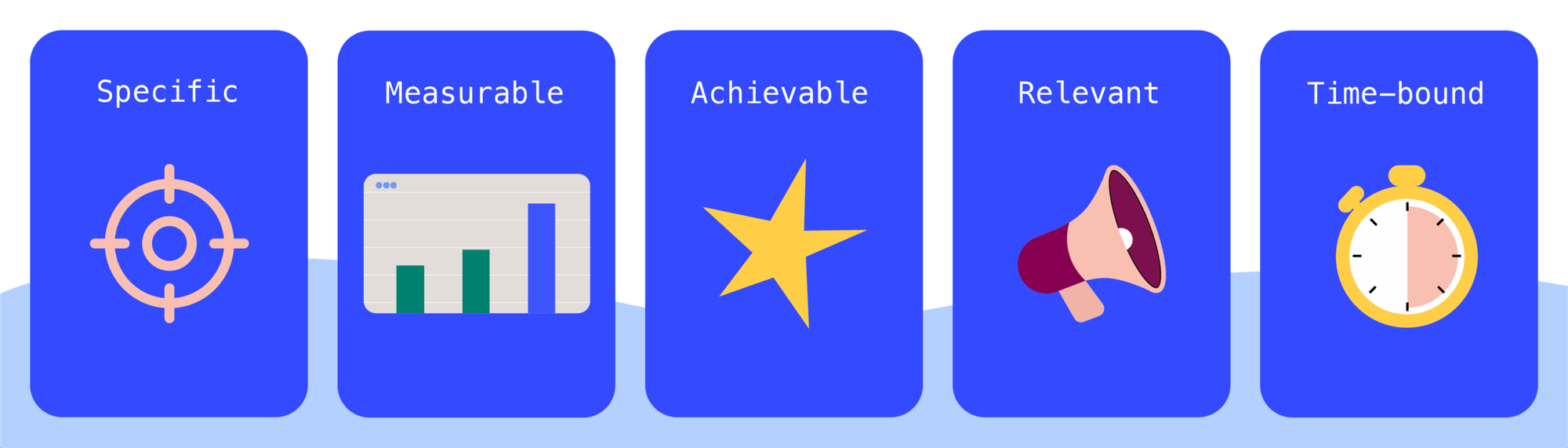
Make your goals SMART (specific, measurable, achievable, relevant, time-bound). Instead of “increase brand awareness,” try “generate 50 qualified leads from financial service companies” or “achieve 90% attendance from our top-tier clients.”
Also consider what success looks like from the attendee perspective. What will they gain from participating? The sweet spot is where your business objectives and attendee expectations overlap, as that’s where real value happens.
2. Plan your budget
Money conversations aren’t always fun, but they’re essential for successful events. Start by breaking down your budget into major categories:
- Venue and equipment (typically 30–40% of total budget).
- Food and beverage (20–30%).
- Marketing and promotion (10–15%).
- Speakers and entertainment (10–15%).
- Staffing and management (10–15%).
- Contingency fund (5–10%).
Look for creative ways to stretch your dollars. Can you secure sponsors to offset costs? Many companies are willing to contribute if they get access to your audience. Could a partner organization share expenses for mutual benefit?
Don’t forget those sneaky hidden costs: insurance, security, parking, WiFi upgrades, shipping, and last-minute changes.
3. Create a timeline
Working backward from your event date prevents the mad scramble that leads to mistakes. A solid event planning timeline breaks the planning process into manageable chunks. You might want to add more details, but here’s a skeleton structure for reference.
| 3–6 months before:Lock in your venue and major vendors.Develop marketing materials.Open registration.Secure speakers or entertainment. | 1–3 months before:Send invitations and promotional content.Finalize the program agenda.Coordinate with speakers on content.Arrange travel and accommodations. | 1–4 weeks before:Send final instructions to attendees.Brief staff on their roles.Confirm all vendor arrangements.Prepare event materials. |
For complex events, project management tools can help keep everything on track. Even a simple shared spreadsheet works wonders for maintaining visibility across your team.
Remember to build in buffer time as things rarely go exactly as planned, and you’ll need flexibility to manage the unexpected.
4. Assemble an event planning team
Even small events need dedicated people handling different aspects. For larger gatherings, a well-structured team becomes absolutely critical.
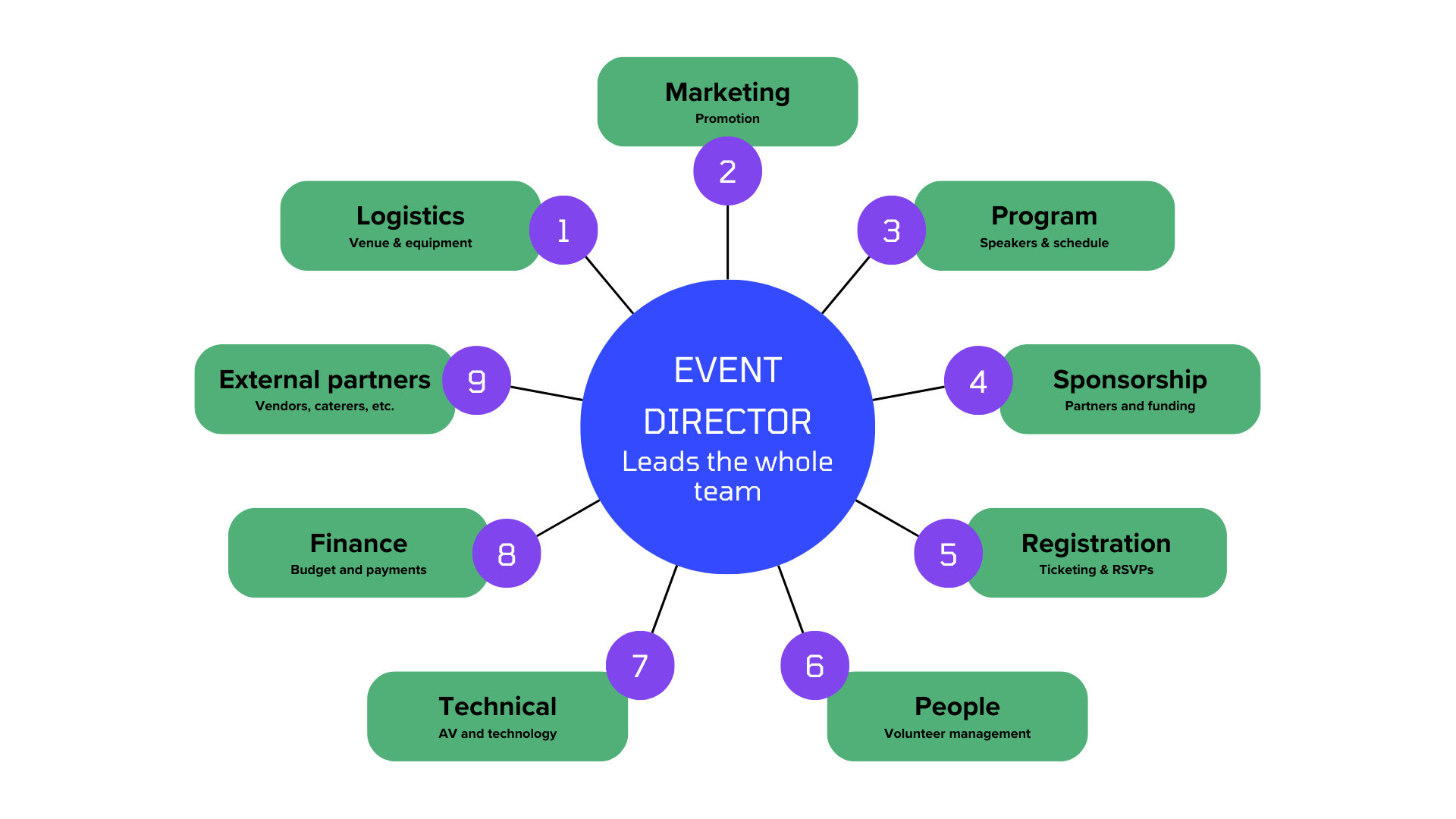
Start by identifying the key functional areas: logistics (venue, catering, equipment), marketing and communications, coordinating with speakers and vendors, and managing attendee experience.
Consider who has the right skills and bandwidth within your organization. The marketing coordinator might naturally handle event promotion, while your detail-oriented office manager could excel at logistics. For specialized needs or larger events, bringing in professional event planners can actually save money by avoiding costly mistakes and leveraging their vendor relationships.
The most successful event teams meet regularly, share a central communication platform, and have clearly defined decision-making authority. When everyone knows their lane and how decisions get made, your planning process will run much more smoothly.
5. Select the right venue
Your venue sets the tone for the entire event and can make or break the attendee experience. Beyond just looking nice, the perfect space needs to tick several practical boxes:
- Size matters, but in both directions. A space that’s too small creates uncomfortable crowding, while a room that’s too big makes even good attendance look sparse and kills the energy.
- Location should balance convenience for your target attendees with your budget constraints. Consider proximity to airports, hotels, public transportation, and major highways.
- Technical capabilities often get overlooked until it’s too late. Does the venue have reliable WiFi that can handle your attendee count? Are there enough power outlets? How’s the built-in AV equipment and lighting?
When reviewing venues, also evaluate:
- Accessibility for all attendees, including those with mobility challenges.
- Available parking or transportation options.
- Catering capabilities and food quality.
- Room layout flexibility for your specific agenda needs.
- Noise considerations (both from outside and between meeting rooms).
During contract negotiations, pay special attention to cancellation policies, deposit requirements, and any restrictions on outside vendors. Get everything in writing, including promised amenities and setup/breakdown times.
6. Create an engaging agenda
The agenda is your event’s backbone and needs to be sturdy enough to provide structure while flexible enough to create meaningful experiences.

Start by mapping key content to your event objectives. If generating leads is your goal, include plenty of networking opportunities. If education is the focus, balance presentation formats to accommodate different learning styles.
Think of your agenda as a storytelling arc with a clear beginning, middle, and end:
- Begin with something attention-grabbing, like a dynamic keynote or an interactive opening activity.
- Build momentum through the middle with varied session formats.
- End on a high note that reinforces key takeaways and inspires action.
Avoid the common pitfall of packing too much in. Attendees need time to absorb information, connect with others, and simply recharge. Build in:
- Generous breaks between sessions (minimum 15–20 minutes).
- Dedicated networking periods with clear facilitation.
- Meal times that allow for conversation, not just eating.
- Optional sessions or activities that accommodate different interests.
Make your event interactive rather than just a series of presentations. Consider incorporating:
- Live polling during sessions to gauge audience opinions.
- Small group discussions that apply concepts to real-world situations.
- Hands-on demonstrations or workshops.
- Friendly competitions or challenges that reinforce key messages.
For multi-track events, carefully consider session timing and room layouts to minimize disruption during transitions. And always have a few backup activities or discussions ready in case of technical issues or speaker delays.
7. Choose vendors and negotiate contracts
The right vendors can elevate your event; the wrong ones can sink it. Since these partners directly impact attendee experience, choose them with care.
Define exactly what services you need from each vendor category. Create detailed requirements before you begin your search to ensure apples-to-apples comparisons. Get recommendations from colleagues or venue managers who have firsthand experience.
When evaluating potential vendors, look beyond just price. Request:
- Portfolios of similar events they’ve supported.
- Client references you can actually contact.
- Detailed proposals with itemized pricing.
- Proof of insurance and necessary permits.
For your most critical vendors (catering, AV, etc.), schedule face-to-face meetings. This gives you a feel for their communication style and responsiveness — qualities that become incredibly important during your event.
During contract negotiations, be clear about your expectations and get everything in writing. Specify deliverables, timelines, quality standards, and what happens if things go wrong. Remember that many terms are negotiable, from payment schedules to cancellation policies to service upgrades.
8. Finalize speakers and panelists
Start your search early, as in-demand speakers are booked months in advance. Look beyond the usual suspects by:
- Following industry publications and podcasts for fresh voices.
- Checking speaker bureaus and LinkedIn for subject matter experts.
- Reviewing speaker ratings from similar events.
- Considering your own company’s thought leaders.
Before extending invitations, watch video clips of potential speakers to assess their presentation style. Even brilliant content falls flat when delivered poorly. Look for speakers who can translate complex ideas into engaging, accessible presentations.
When reaching out to potential speakers:
- Clearly explain your event’s purpose and audience.
- Specify exactly what you want them to cover.
- Detail your expectations (presentation length, Q&A participation, etc.).
- Outline what you’re offering (compensation, travel arrangements, publicity).
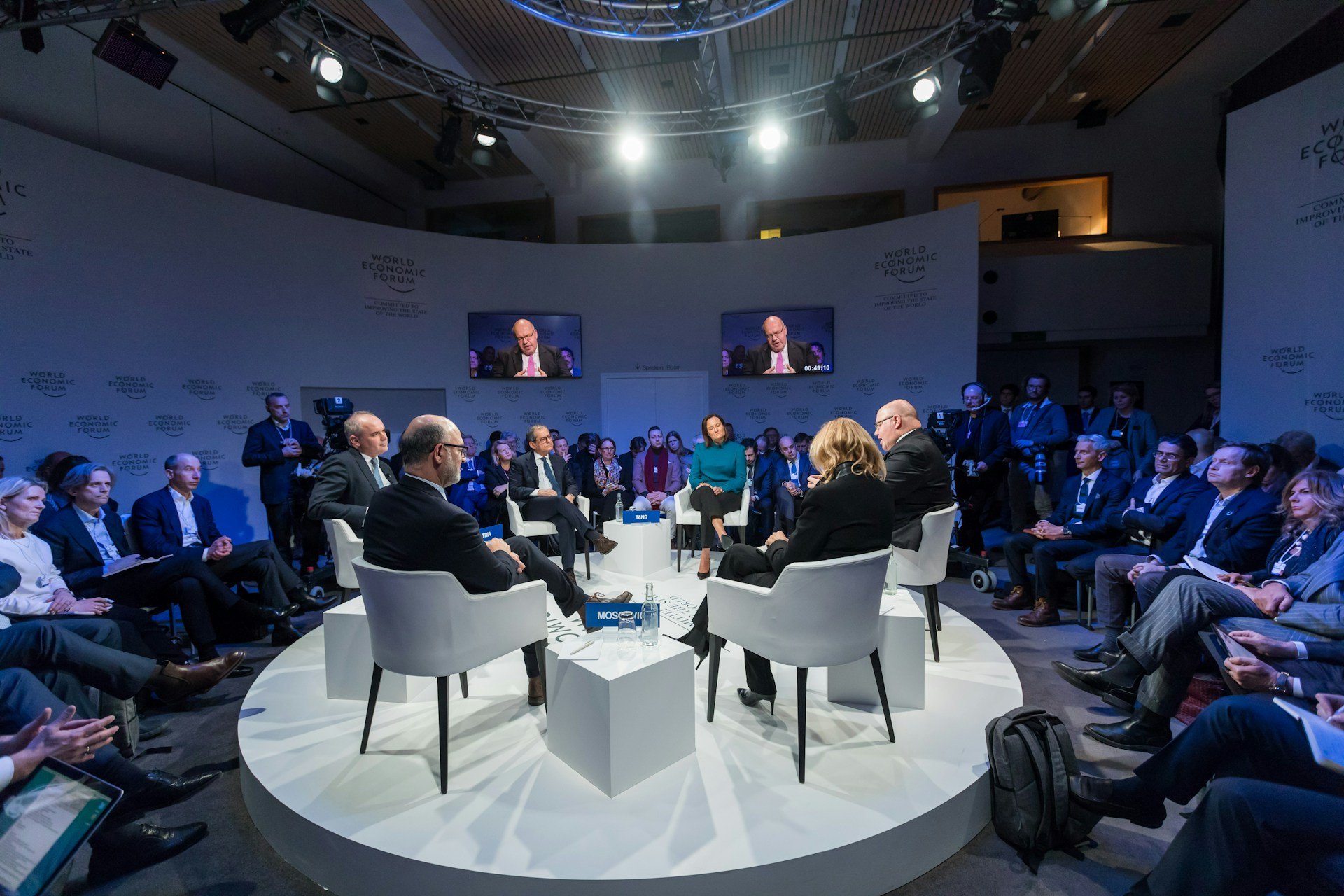
For panel discussions, the moderator is as important as the panelists. Choose someone who can guide conversation, manage time, and draw out insights from all participants. Brief them thoroughly on the topics and any sensitivities to navigate.
Finally, regular communication with confirmed speakers must be maintained. Share audience information, logistical details, and technical specifications well in advance. Consider organizing a pre-event briefing call where speakers can coordinate content and avoid repetition.
9. Set up event registration and ticketing
Your registration process creates the first impression of your event’s professionalism. Make it smooth and you’re off to a great start. For WordPress users, Event Tickets Plus offers a comprehensive feature set for event registration and ticketing, empowering you to:
- Create customized registration forms that collect exactly the information you need.
- Set up multiple ticket types with different price points and access levels, like Free, Premium, and VIP pricing.
- Implement early-bird pricing and discount codes to drive early registration.
- Track registrations in real-time and generate attendee reports.
When designing your registration process, keep it as simple as possible while still gathering essential information. Every extra field reduces completion rates, so ask only what you truly need.
Don’t forget to set up automated confirmation emails that provide registrants with essential information. Include event details, receipt of payment, and any pre-event instructions. As your event approaches, send reminder emails with last-minute information about parking, check-in procedures, or agenda updates.
Finally, plan your on-site check-in process carefully to avoid long lines. Consider using QR codes for ticket validation, mobile check-in stations, or alphabetical registration tables to keep things moving smoothly.
10. Design an effective marketing strategy
We have a more detailed post on how to create an event marketing plan, but here’s the jist for you:
- Create a compelling brand identity for your event. Develop a distinctive name, logo, and consistent design elements that reflect the event’s purpose and tone. This visual identity should appear across all your marketing materials.
- Craft your core message, i.e., the elevator pitch that explains why someone should attend. Focus on the specific value attendees will receive, not just the features of your event.
- Build a multi-channel marketing plan.
- Email marketing: Create a sequence of messages that builds excitement, starting with a save-the-date announcement 3–6 months before, followed by the official invitation with registration details 2–3 months out.
- Social media promotion: Focus on platforms where your target audience actually spends time and tailor your approach to each platform. LinkedIn works well for thought leadership pieces and speaker credentials, while Instagram is perfect for behind-the-scenes planning and eye-catching graphics. Create a branded hashtag for Twitter and build an event page with targeted ads on Facebook.
- Leverage your existing network by making it easy for speakers, sponsors, and partners to promote the event. Provide them with pre-written social posts, email templates, and shareable graphics they can use with minimal effort.
- For larger events, create a dedicated website or landing page that serves as your information hub. Include a clear event description and value proposition, along with agenda details, speaker information, and registration functionality. Don’t forget venue details, travel information, and an FAQ section addressing common questions.
- Measure your marketing efforts to see what’s working. Track registration sources, email open rates, social engagement, and website traffic. Use this data to adjust your strategy as you go, doubling down on what’s driving results.
11. Select and integrate event tech tools
The right technology can transform your event experience while making management more efficient. But with countless options available, how do you choose?
Start by identifying your specific needs rather than chasing the newest features. Consider these essential categories:
- Event management solutions to handle registration, attendee communications, and event scheduling.
- Engagement tools like live polling, Q&A features, and networking facilitation.
- Content delivery systems for presentations, videos, and supporting materials.
- Data collection tools to gather feedback and measure engagement.
For hybrid events (combining in-person and virtual attendance), pay special attention to the online experience. Virtual attendees should feel like active participants, not passive observers.
Look for platforms offering:
- High-quality streaming capabilities with minimal lag.
- Interactive features that work for both in-person and remote attendees.
- Virtual networking opportunities that mimic in-person connections.
- Equal access to content, speakers, and resources.
When selecting tech tools, consider the user experience for both attendees and your team. Evaluate how well potential solutions integrate with your existing systems, and check availability of technical support during your event hours. The platform should be scalable to handle your expected attendance numbers while maintaining strong data security and privacy protection.
It’s quite possible that you may not find a single event management solution that fits your needs. In cases like these, you can think of setting up your own WordPress event management site and integrating the plugins you need for specific tasks, like The Events Calendar for event scheduling, Event Tickets Plus for handling registrations and ticketing, Seating to create interactive seating maps, Promoter for handling attendee communications, and so on.
Alternatively, you can get an out-of-the-box, ready-to-use WordPress event management website with StellarSites’ Events Plan as well.
Once you’ve selected your technology stack, schedule thorough testing well before your event. Run complete simulations with team members playing different roles to identify potential problems. Have backup plans ready for critical systems in case of technical failures, like alternative communication channels or offline registration processes.
12. Plan event security and safety measures
Start with a thorough risk assessment specific to your event type, venue, and attendee profile. Consider potential threats ranging from medical emergencies to disruptive behavior to natural disasters. This assessment forms the foundation of your security plan.
For attendee verification, balance security with convenience:
- Use digital check-in systems that match registrants against ID.
- Consider color-coded or RFID-enabled badges for different access levels.
- Train staff on proper verification procedures and handling exceptions.
Develop clear emergency response protocols for various scenarios:
- Medical emergencies: Have first aid stations and know the location of AEDs.
- Fire or evacuation: Establish and communicate exit routes and assembly points.
- Severe weather: Create communication plans for sudden changes or cancellations.
- Security incidents: Establish chain of command and communication procedures.
For large events, consider hiring professional security personnel who specialize in event management. They bring expertise in crowd control, threat assessment, and emergency response that your regular team likely doesn’t have.
Communicate safety information proactively to attendees before and during the event. Include emergency exits, first aid locations, and who to contact with concerns. This transparency not only prepares attendees but also demonstrates your commitment to their wellbeing.
Ensure you have proper insurance coverage specific to your event type and size. Consult with an insurance professional to identify coverage needs for liability, cancellation, and other potential risks.
13. Execute on-site event management
The big day has arrived! All your planning now shifts into action mode.
Start with a comprehensive run-of-show document that outlines exactly what happens when, where, and who’s responsible. This minute-by-minute breakdown serves as your operational bible during the event. Share it with your entire team and key vendors so everyone knows the game plan.
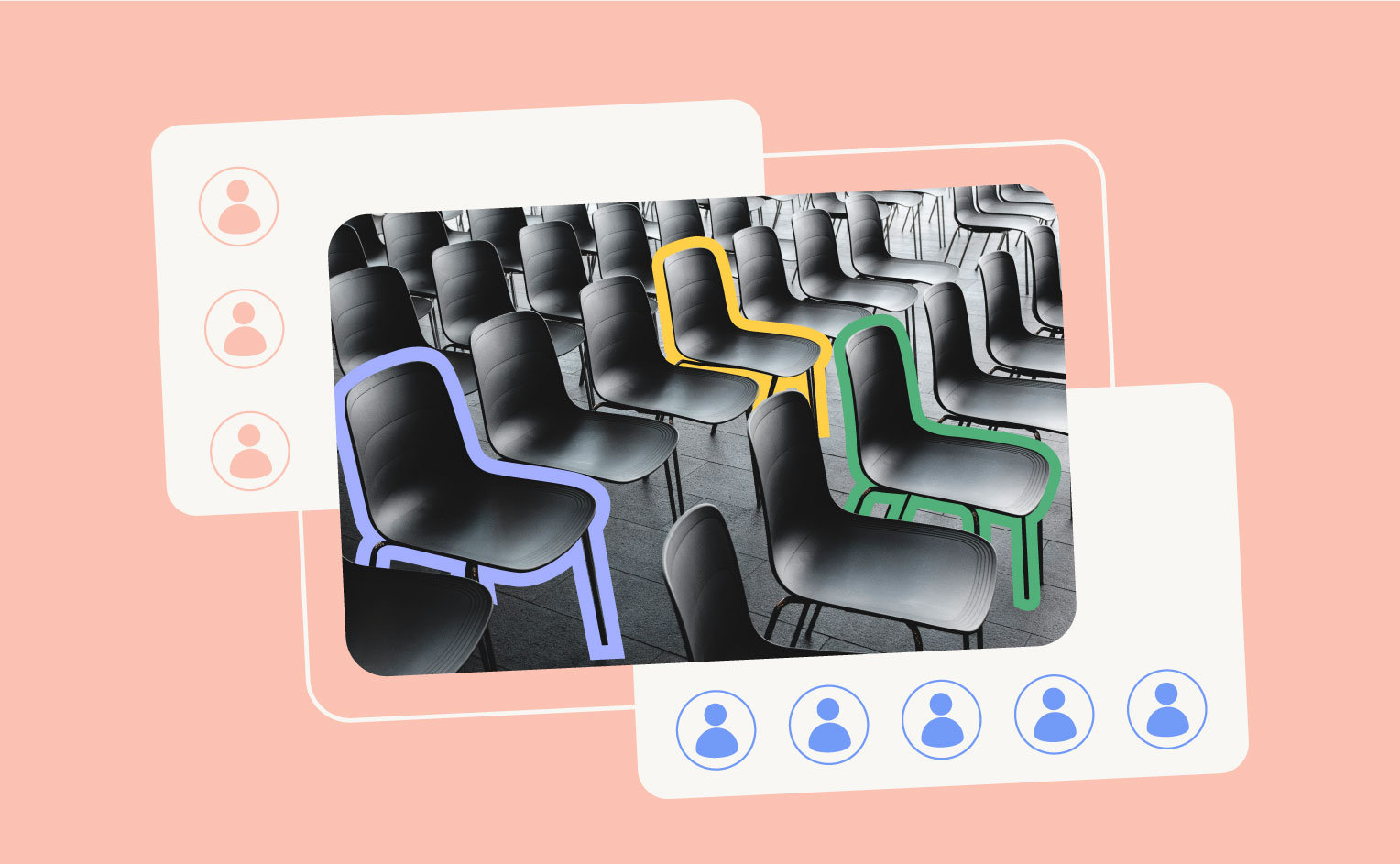
For smooth check-in, set up your registration area to handle the inevitable rush of arrivals. Multiple check-in stations organized alphabetically help prevent bottlenecks. Using QR codes on tickets or confirmation emails dramatically speeds up the process – attendees simply scan and go. The Events Calendar’s Seating Add-on takes this efficiency further by assigning specific seats, eliminating confusion and reducing crowding at entrances.
Key staff positions to fill on event day:
- Registration team to handle check-in and badge distribution.
- Troubleshooters who can resolve unexpected issues quickly.
- Room monitors to assist speakers and manage session flow.
- Floaters who can be deployed wherever needed most.
Gather real-time feedback using quick polls or a dedicated event app that lets attendees share thoughts during the event. This allows you to make immediate adjustments rather than learning about issues in post-event surveys when it’s too late to fix them.
Document everything — what works, what doesn’t, and ideas for improvement. Take photos and videos for marketing purposes and to review logistics and flow for future planning.
14. Collect post-event feedback and measure success
Start gathering feedback while the experience is fresh in attendees’ minds. Send a concise survey within 24–48 hours asking specific questions about what worked and what didn’t. Keep it brief, as response rates plummet with lengthy questionnaires. Mix quantitative rating questions with qualitative open-ended ones to get both measurable data and nuanced insights.
Essential metrics to evaluate include:
- Attendance numbers versus registrations (shows actual engagement).
- Session-specific ratings (helps identify strongest content).
- Net Promoter Score (likelihood to recommend to others).
- Direct business outcomes (leads, sales, partnerships formed).
- Cost per attendee (helps with future budgeting).
Look beyond just satisfaction scores. Did the event actually move the needle on your business objectives? If lead generation was a goal, track how many qualified prospects entered your sales pipeline. For educational events, test knowledge retention or implementation of new skills. For team building, measure changes in collaboration or employee engagement metrics.
Compare your actual results against the KPIs you established at the beginning. Did you hit your attendance targets? Stay within budget? Generate the expected media coverage or social media engagement? Be honest about where you fell short and why.
Don’t forget to analyze the financial impact as well. Calculate the true ROI by comparing total costs against tangible outcomes. This data becomes powerful information when justifying budgets for future events.
15. Foster ongoing engagement and community building
The most successful corporate events don’t end when attendees leave, but rather continue generating value through ongoing engagement:
Send a thoughtfully crafted post-event email within a week that reinforces key messages and suggests specific next steps. With the Promoter plugin, you can automate personalized follow-up sequences based on attendee actions or interests shown during the event. This keeps your brand top-of-mind and guides participants toward desired actions.
Effective post-event content to share:
- Professional photo gallery showcasing key moments.
- Video highlights package (keep it under 3 minutes).
- Speaker presentation slides or handouts.
- Summary of main takeaways or insights.
- Announcement of next event date if available.
Create a compelling event recap that captures the energy and insights from the gathering. Share professional photos showing engaged attendees, video highlights of key moments, and quotable takeaways from speakers. This content reinforces value for those who attended while creating FOMO (fear of missing out) for those who didn’t.
Consider creating an exclusive online community where attendees can continue conversations started at your event. This might be a private LinkedIn group, a dedicated Slack channel, or a forum on your own website. Seed these spaces with discussion prompts and valuable content to maintain momentum.
Turn your next corporate event into a business success story
The most successful corporate gatherings balance business goals with meaningful attendee experiences. When participants find genuine value, they become ambassadors for your brand long after the event ends.
Ready to transform your next corporate event from a budget line item into a business driver? Start with one question: What specific business outcomes do you want this event to generate? Then use the right tools and approaches to make it happen.
Don’t think of your next event as just a date on the calendar. It’s an opportunity to move your business forward. Make it count.

Nathan
View author page