
Micro Events: What You Need to Know to Get Started

Estimated reading time:
1 minute
Micro events are small-scale, highly-targeted gatherings designed to create meaningful interactions between a brand and its audience. Unlike large conferences or trade shows, micro events focus on intimacy, engagement, and personalization. These events typically cater to a niche group, often under 100 participants, allowing for deeper connections and tailored experiences. Personally, I’ve found that the smaller the group, the easier it is to build relationships—something you’ve likely experienced too.
The concept of micro events isn’t entirely new. However, in recent years—with the rise of digital platforms, shifting audience expectations, and the need for personalized marketing—these compact experiences have surged in popularity. Their effectiveness lies in creating value through quality interactions, rather than sheer volume.
Micro events are now being adopted by marketers, community builders, startups, and large brands alike, as a way to cut through the noise and leave a lasting impression on attendees.
Types of Micro Events
Micro events can take many shapes depending on your goals and audience. Here are several common formats:
- Private and Intimate Gatherings: These include exclusive dinners, fireside chats, or networking meetups with carefully curated guest lists.
- Niche Community Meetups: These are centered around a specific topic or industry and are often hosted by local chapters, hobbyist groups, or interest-based communities.
- Branded Product Launches: Companies use micro events to unveil new offerings in a more interactive, controlled setting where feedback can be gathered in real-time.
- VIP Experiences and Pop-Ups: Think boutique brand activations, personalized demos, or limited-time immersive installations that create exclusivity.
- Hybrid and Virtual Micro Events: Leveraging technology, these formats blend digital and in-person participation, expanding reach while retaining a small-event feel.
Each format brings its own benefits and should be matched to the specific outcomes you wish to achieve.
“To encourage rich intimate experiences, leaders should use the campfire principle…At campfires, we have proximity, permission, and conditions to connect meaningfully with others. Most important, campfires are small enough that everyone can participate, if they choose, and feel seen.”
–Carrie Melissa Jones and Charles H. Vogl, Building Brand Communities: How Organizations Succeed by Creating Belonging
Benefits of Hosting Micro Events
Micro events offer a variety of strategic advantages that make them increasingly appealing in today’s marketing and customer engagement landscape:
- Increased Audience Engagement: With fewer attendees, it’s easier to foster two-way conversations and active participation. Attendees feel seen and heard.
- Personalized Experiences: Tailored content, hands-on activities, and personalized touches create memorable experiences that large-scale events can’t replicate.
- Lower Costs with High ROI: Micro events are typically more cost-effective than larger ones, especially when measuring return on relationship, conversions, or leads.
- Stronger Community Building: These events foster authentic relationships that can lead to long-term brand loyalty and grassroots advocacy.
- Ideal for Feedback Collection and Beta Testing: The close-knit nature of micro events makes them perfect environments for honest feedback and iterative testing.
Setting Clear Goals for Micro Events
Before planning any micro event, it’s essential to define your goals. Without a clear objective, even the most well-executed event can fall short of its potential impact. Micro events are most powerful when tied to measurable outcomes that align with your broader business or marketing strategy.
Start by setting SMART goals—Specific, Measurable, Achievable, Relevant, and Time-bound. For example:
- Generate 50 qualified leads for a new product within 30 days of the event.
- Increase customer retention by 10% through a series of VIP appreciation micro events.
- Collect actionable user feedback from 25 beta testers for product improvement.

Once your goals are defined, every aspect of the event—from guest list to content to post-event follow-up—should directly support achieving those objectives. Success can then be measured using predefined KPIs like engagement rate, conversions, satisfaction scores, or direct feedback.
“It’s also important to note that a success for the business and a success for the attendee can be two different things. You may have succeeded in getting customer feedback, but in doing so, attendees didn’t have a great experience. It either wasn’t fun or maybe they didn’t feel like you wanted to discuss what they wanted to discuss–making them feel unseen. It is extremely important to the long term success of your community-building efforts to heavily weight the qualitative feedback of your event attendees when determining an event’s success. That way you can be sure you’re creating experiences they enjoy and want to promote and/or experience again. This gives your events the opportunity to gain momentum over time instead of fizzling out.”
–Nathan B. Weller, Community Builder and Sr. Product Marketing Manager at The Events Calendar
Identifying and Understanding Your Target Audience
The effectiveness of a micro event hinges on how well it resonates with its audience. Because these events are intentionally intimate, you must be laser-focused on who you’re inviting and what they care about.
Start by segmenting your audience based on demographics, interests, behavior, or business roles. Build detailed buyer personas to guide your planning, including:
- Their pain points and motivations
- Preferred communication channels
- Content preferences and tone of voice
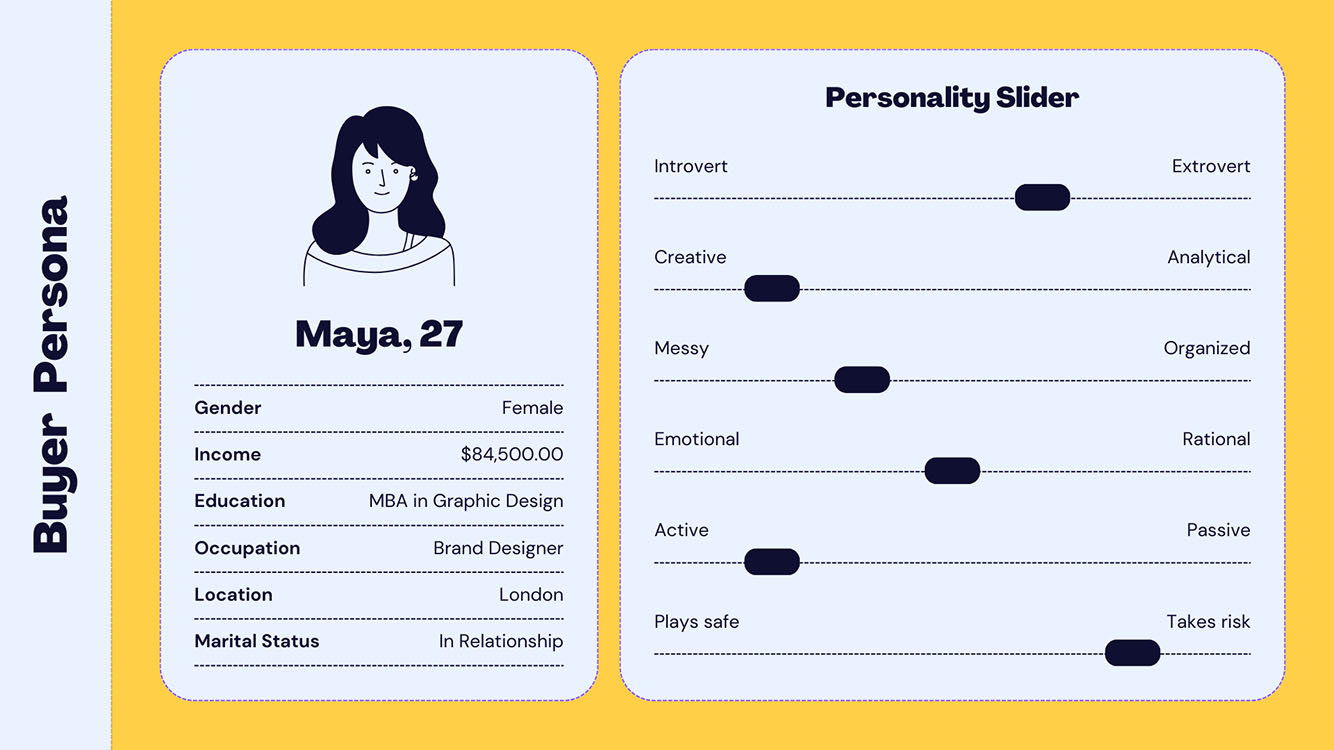
Understanding your audience allows you to craft an experience that speaks directly to their needs. Whether it’s a hands-on workshop for tech enthusiasts or a high-end dining experience for investors, aligning the format and messaging with your audience will maximize engagement and outcomes.
Budgeting and Resource Allocation
It’s a common misconception that micro events are cheap. While they are often more affordable than large-scale events, the emphasis is on quality over quantity. A well-crafted micro event still requires thoughtful budgeting to ensure an impactful experience.
Key areas to allocate resources include:
- Venue or virtual platform
- Catering or guest hospitality
- Tech tools (streaming, engagement, analytics)
- Guest speakers or facilitators
- Promotion and marketing
Look for cost-saving strategies that don’t compromise quality—such as partnering with local businesses for venues or food, or using freemium event tech platforms. Additionally, explore sponsorship opportunities. Sponsors often value the deep connections and targeted exposure that micro events offer, making them more willing to support your event financially or with in-kind contributions.
Venue and Location Strategy
Choosing the right venue is critical to setting the tone and effectiveness of your micro event. Since these events are defined by intimacy and personal engagement, the venue should reflect that vibe. For in-person events, consider:
- Unique, non-traditional spaces like art galleries, rooftop lounges, boutique hotels, or private homes.
- Co-working spaces or innovation hubs that offer built-in communities and modern amenities.
- Outdoor or destination venues for a more immersive, memorable experience.
For virtual micro events, the choice of platform becomes your “venue.” Look for tools that offer breakout rooms, audience interactivity, and customizable branding. The platform should also be user-friendly and accessible on multiple devices to avoid technical drop-offs.
No matter the format, ensure your venue aligns with your brand, enhances the guest experience, and is logistically sound regarding accessibility, parking, internet connectivity, or AV support.
Creating Compelling Micro Event Content
Content is the heart of any micro event. With a smaller audience, expectations are higher for relevance, interactivity, and value. Start by creating a clear and concise agenda that respects attendees’ time while maximizing engagement.
To keep your audience hooked:
- Leverage community engagement to strengthen connections, enhance customer experiences, and expand your reach globally.
- Focus on high-quality interactions to create memorable experiences.
- Use storytelling to create emotional connection and meaning. I always find myself drawn in by a good story because it brings meaning and depth to the experience, making it far more engaging.
- Include interactive elements like Q&A sessions, live polls, workshops, or roundtable discussions.
- Incorporate influencers, industry experts, or brand advocates to add credibility and excitement.
Focus on delivering high-quality, actionable content that your attendees can apply immediately or that provides exclusive access, insights, or behind-the-scenes perspectives they wouldn’t get elsewhere.
Promotion and Audience Acquisition
Because micro events target smaller, more specific groups, promotion should be laser-targeted and highly personalized. Your marketing strategy should center on reaching the right people, not just more people.
Effective promotion channels include:
- Messaging either via SMS or various messaging apps to specific people you’re inviting.
- Email marketing with personalized invites or curated drip campaigns.
- Social media teasers, countdowns, and user-generated content from past events.
- Online communities and niche forums where your audience already gathers.
- Strategic partnerships or influencer co-hosting to tap into relevant networks.
Use FOMO (Fear of Missing Out) to drive registrations—highlight exclusivity, limited spots, or once-in-a-lifetime experiences. And always ensure your registration process is seamless, mobile-friendly, and includes automated reminders leading up to the event.
Tools and Technology for Micro Events
The right tech stack can significantly enhance both the execution and the impact of your micro event. Whether you’re hosting in-person, virtual, or hybrid events, selecting tools that align with your goals is crucial.
Here are key technology categories to consider:
- Registration and Ticketing Platforms: Tools like Event Tickets or Eventbrite help manage ticketing and RSVPs, send reminders, and collect data.
- Live Streaming and Hybrid Solutions: Zoom, Hopin, or Airmeet offer robust features for virtual interaction, including breakout rooms and live Q&A. Events Calendar Pro makes it easy to host virtual and hybrid events and integrate them with your preferred online meeting platforms.
- Engagement Tools: Platforms like Slido or Mentimeter can be used for polls, quizzes, and live feedback to keep your audience engaged in real-time.
- Analytics and CRM Integration: Tools like Promoter, HubSpot, or Mailchimp allow you to track attendee behaviors and follow up with tailored content post-event.
Technology isn’t just for logistics—it’s also a key factor in making your event feel modern, interactive, and seamless from beginning to end.
On-the-Day Execution Best Practices
The day of your micro event is where planning meets performance. A successful execution requires clear roles, flexibility, and a proactive mindset.
Best practices for event day:
- Assign clear responsibilities: Everyone on your team should know who’s handling what—from greeting attendees and tech support to moderating sessions and capturing content.
- Test all tech: Run rehearsals and tech checks to avoid glitches, especially for virtual or hybrid events.
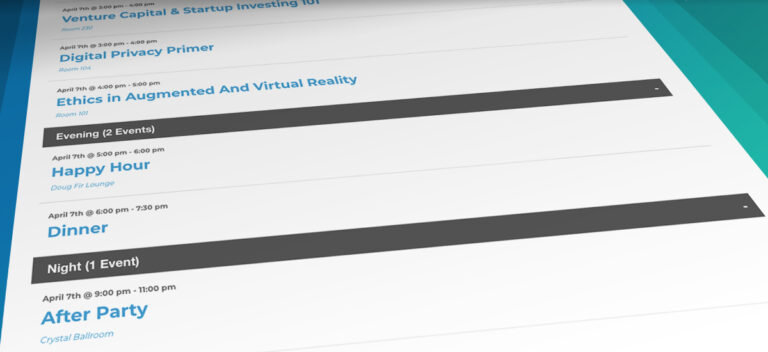
- Create a moment-to-moment run sheet: This timeline outlines the flow of the event, helping everyone stay synchronized and on time.
- Foster engagement: Encourage participation through icebreakers, open dialogue, or interactive elements like live demos or surprise giveaways.
Be ready to troubleshoot. Small events make it easier to pivot if something goes off script—and your flexibility will often go unnoticed if the experience remains seamless for attendees.
Post-Event Follow-Up and Analytics
The micro event doesn’t end when attendees walk out or log off—it continues through strategic follow-up. This is where you reinforce the connection and extract meaningful insights.
Post-event essentials:
- Send personalized thank-you emails within 24–48 hours. Include session highlights, resources, or exclusive offers to add value.
- Survey attendees to gather feedback on what worked, what didn’t, and how you can improve. Keep it short and focused.
- Analyze performance metrics such as attendance rate, engagement levels, social shares, and conversion metrics tied to your original goals.
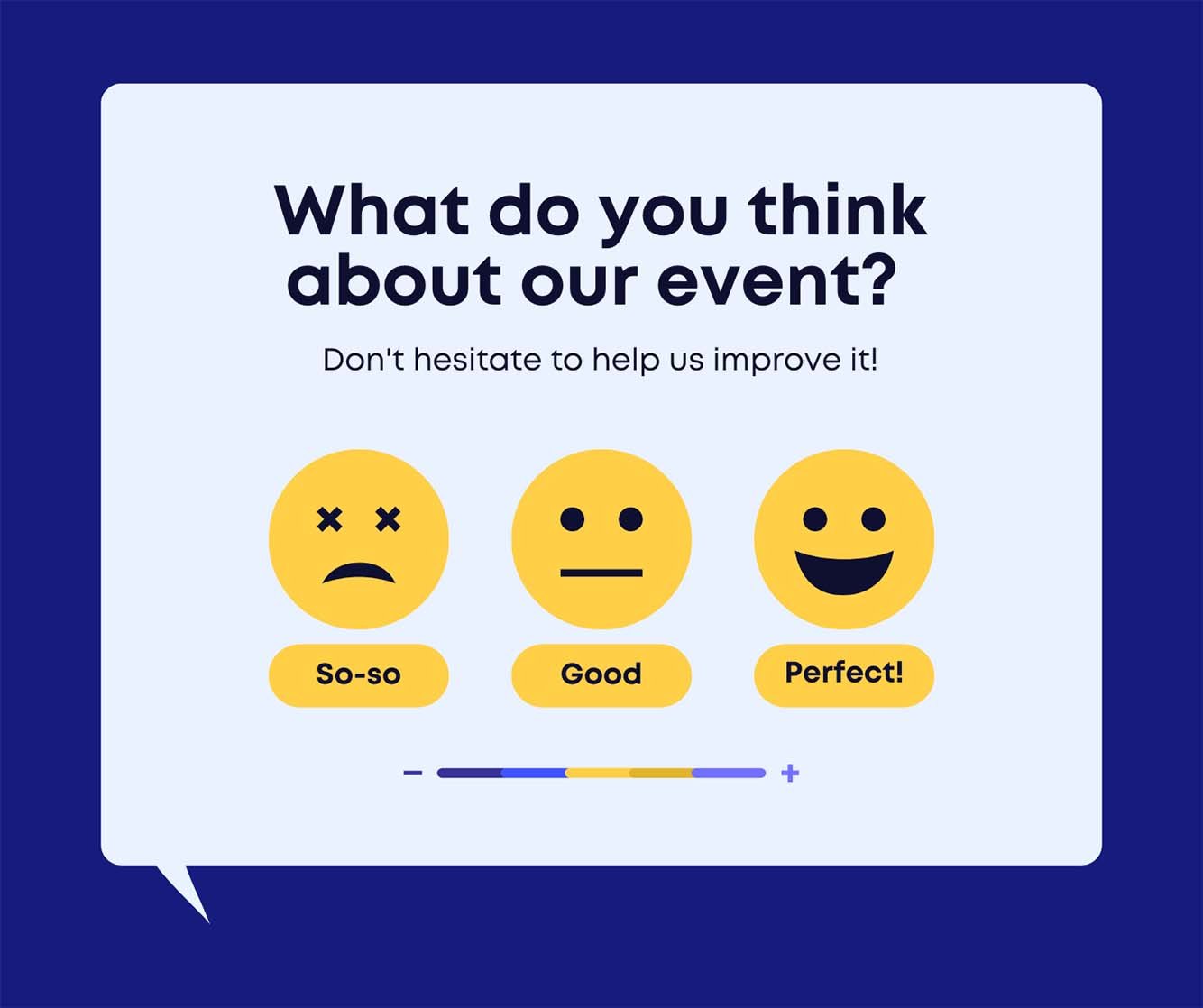
Pro tip: By using a tool like Promoter, you can easily automate personalized follow-up emails with a thank you or survey. This means you can get meaningful feedback and engagement without the heavy lifting.
Use these insights to iterate and improve your future events. When done right, each micro event becomes a feedback loop that strengthens your brand strategy and community relationships.
Case Studies and Success Stories
Learning from real-world examples can offer valuable insights into how micro events work across industries. Here are a few standout success stories:
Experiences on Airbnb
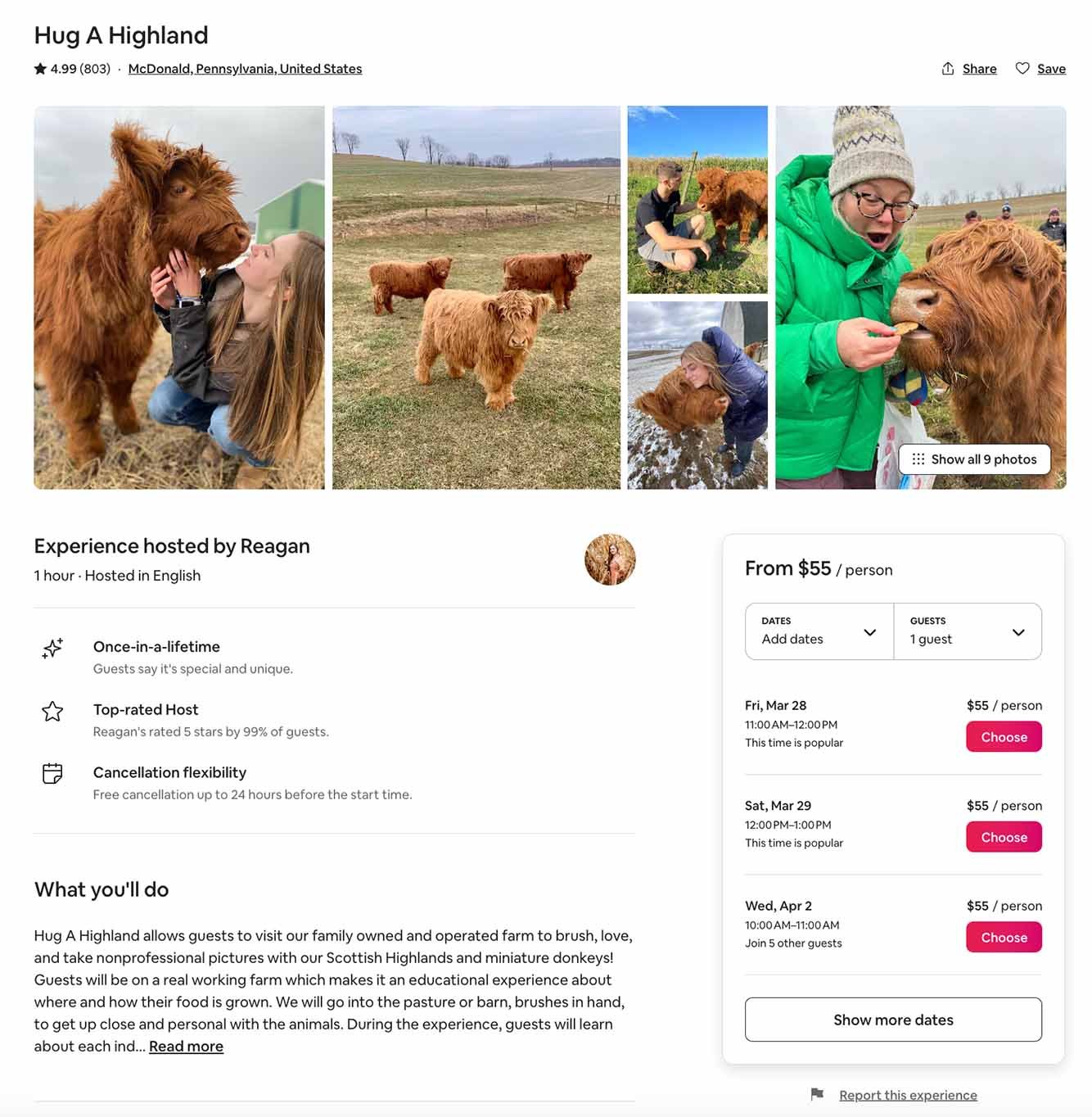
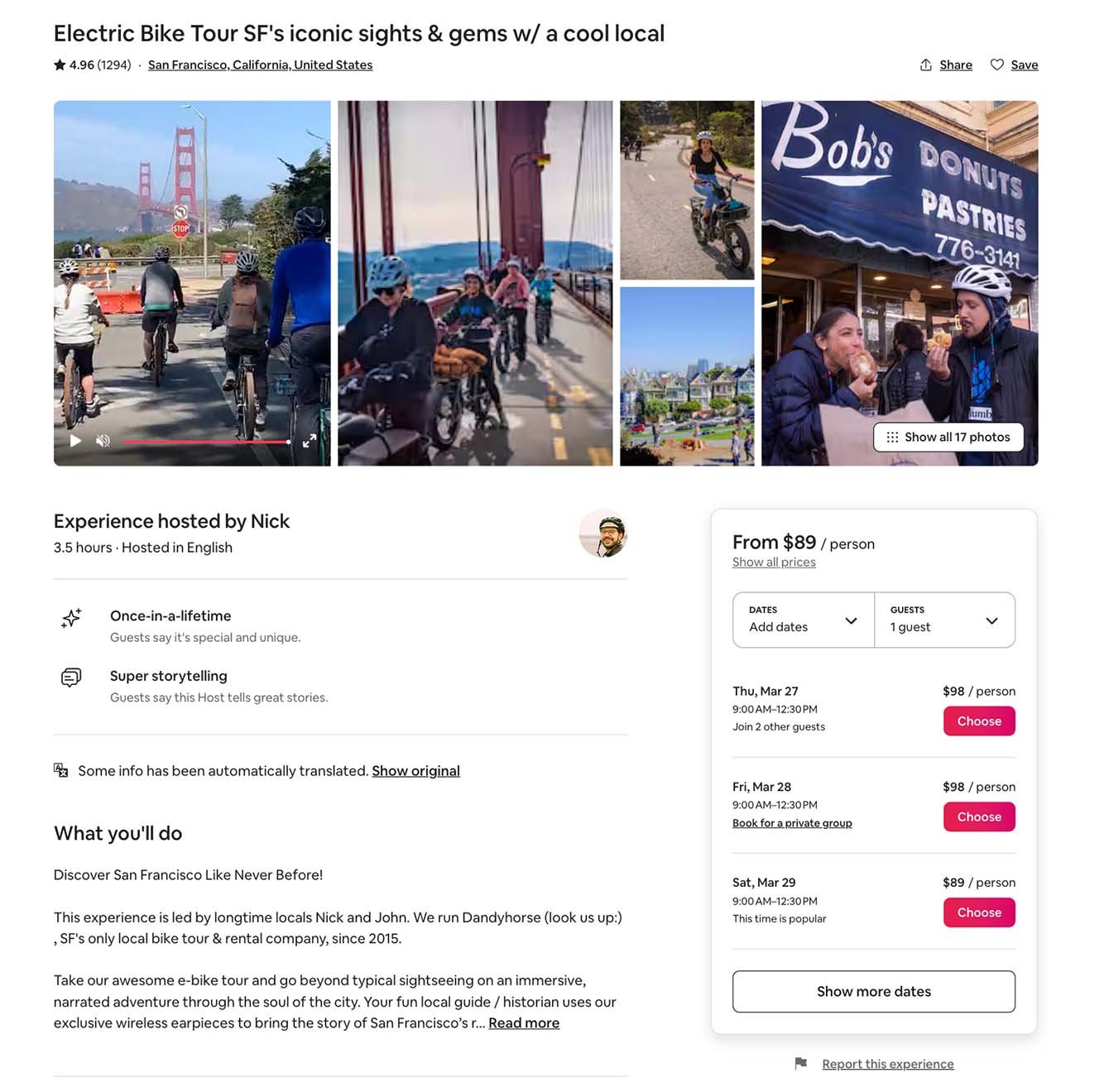
Through Experiences, Airbnb empowers hosts to create micro events like cooking classes or art workshops, enabling travelers to engage with local culture intimately. These events can be both in-person and virtual. Most times I visit their website, I find myself getting lost in browsing all the amazing experiences they offer.
This model scaled community engagement globally, with some experiences bringing in $350,000 of revenue. When they launched a virtual option in 2020, the results were overwhelmingly positive, with 76% of guests reporting they’ve learned something new, and more than half planning to book again. Airbnb also achieved an exciting milestone, with 90% of all experiences receiving 5-star ratings.
There are countless types of experiences to host, but the most common categories are food and drink, culture and history, and wellness. These categories not only cater to diverse interests but also provide guests with opportunities to engage deeply with local traditions, lifestyles, and practices.
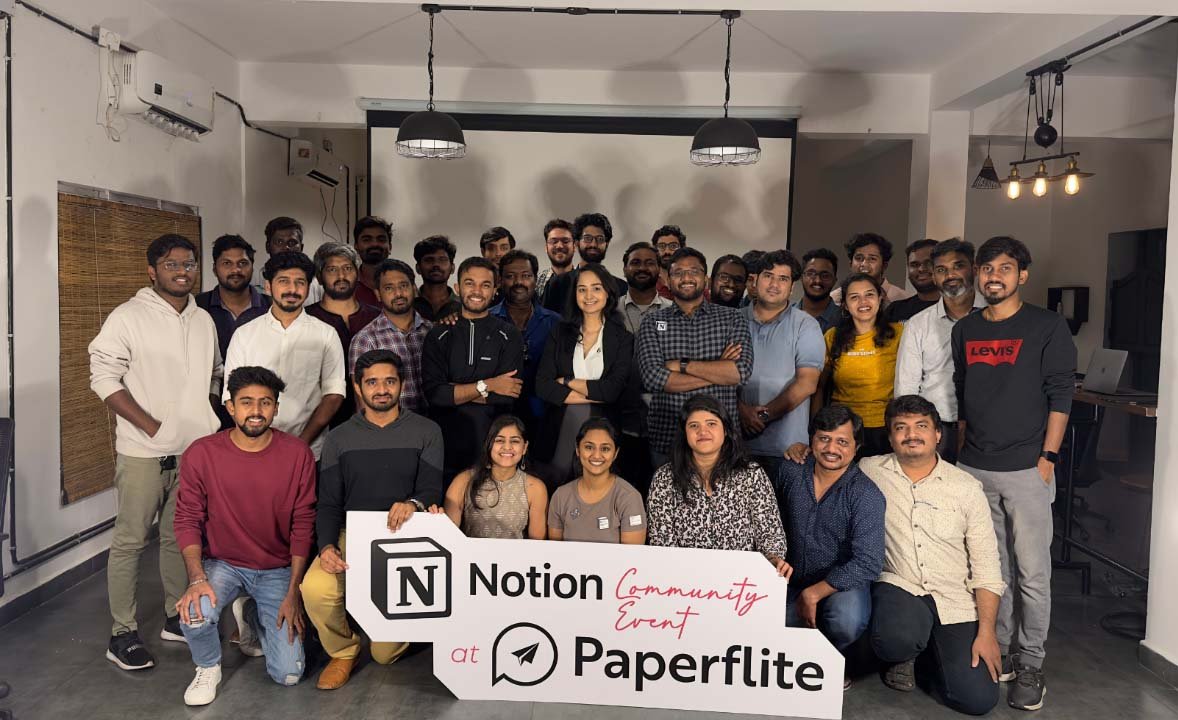
Notion’s Community-Led Meetups
Notion encourages its global users to host small, local meetups. This strategy organically builds advocacy and helps the brand scale user education and retention without heavy overhead. Here’s an example of one of these events!
The result of this community-led approach? Events are now hosted globally with over 50 languages represented. And they’ve reached over one million members across these groups. These meetups are all part of a larger community-driven effort that has resulted in significant success, including over a total of 20 million users and 95% of website traffic coming from organic sources.
Porsche VIP Driving Experiences
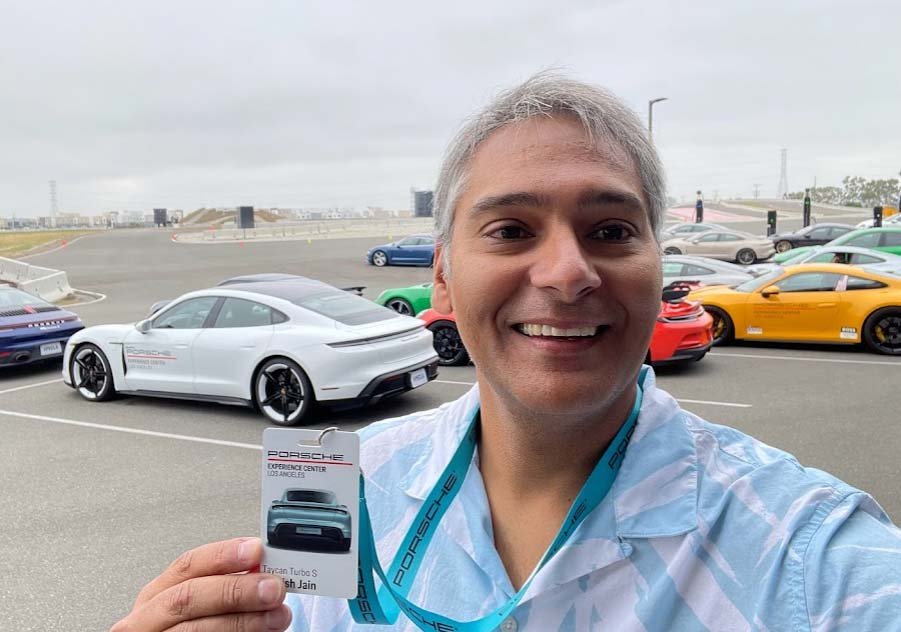
Since 2016, Porsche has embraced the power of micro events by curating immersive driving experiences for a select group of guests. Through its exclusive “Porsche Experience” program, participants get behind the wheel of high-performance models in a controlled, high-adrenaline setting—often guided by seasoned driving professionals. These intimate, hands-on sessions not only showcase the brand’s craftsmanship but also deepen emotional loyalty by putting potential customers directly into the driver’s seat of aspiration.
By 2018, the Porsche Experience had attracted over 250,000 visitors (a number that continues to grow!). Around 60% of attendees don’t own a Porsche, and following the event, 30% of them reported they were more likely to purchase one. These have proven the power of micro events, delivering measurable impact.

Common Mistakes to Avoid
Even small-scale events come with pitfalls. Avoiding common mistakes ensures your micro event is memorable for the right reasons:
- Overstuffing the Agenda: Don’t cram too much content. Prioritize depth over breadth to allow for conversation and engagement.
- Ignoring Data and Feedback: Skipping the follow-up analytics or surveys robs you of vital insight for future optimization.
- Forgetting Audience Relevance: Every detail—from speaker choice to venue decor—should resonate with your specific audience. A generic experience will undercut the intimacy micro events aim for.
- Neglecting Branding: Just because it’s small doesn’t mean branding should be subtle. Reinforce your identity through signage, event materials, and digital presence.
The Future of Micro Events
As personalization becomes the cornerstone of modern marketing, micro events are poised to play an even more central role in brand strategy.
Emerging trends include:
- Hyper-personalized invitations and experiences, using AI and behavioral data to tailor content and interactions. For example, you can use AI to analyze individual event registrations and create a personalized attendee profile and schedule based on individual interests.
- Sustainability-focused events, with low-waste catering, digital swag, and eco-conscious venues.
- Immersive tech integrations, such as AR/VR experiences or AI-powered networking. At VivaTech’s conference, they utilized VR to create virtual booths where startups presented their innovations to potential investors. This immersive approach offered an engaging networking experience and could be highly impactful in the micro event space.
- Always-on micro event strategies, where brands maintain a rolling calendar of small activations instead of one large annual event.
As brands strive to create authentic, long-lasting connections, micro events offer a scalable, flexible, and impactful path forward. Their adaptability makes them an ideal tool in a fast-changing digital and physical landscape.
Conclusion
Micro events are more than just scaled-down versions of traditional gatherings—they are strategic, experience-driven opportunities to connect, convert, and cultivate community. By focusing on quality interactions, personalization, and targeted engagement, brands can achieve meaningful outcomes without the overhead and chaos of massive events.
From intimate dinners to niche virtual workshops, micro events allow you to speak directly to your audience in a way that resonates. With clear goals, the right tools, and thoughtful planning, these events can deliver exceptional ROI and long-term value. Whether you’re building brand awareness, nurturing leads, or strengthening customer loyalty, micro events are an agile, impactful way to elevate your marketing strategy.
FAQs About Micro Events
1. What’s the ideal size for a micro event?
Micro events typically range from 10 to 100 attendees, depending on the event’s goals and format. The key is to maintain a size that allows for meaningful interaction and personalized experiences.
2. Can micro events work for B2B marketing?
Absolutely. In fact, B2B brands often benefit the most from micro events through high-touch engagement, executive networking, and account-based marketing strategies that require depth over scale.
3. How far in advance should I plan a micro event?
While they’re smaller, micro events still require at least 4–8 weeks of planning, especially if they involve venue booking, guest speakers, or technology setup. Virtual micro events may need less lead time but still benefit from thorough preparation.
4. Are virtual micro events as effective as in-person ones?
Yes—when executed well. Virtual micro events can scale intimacy across geographies using tools like breakout rooms, polls, and real-time interaction. However, thoughtful planning is needed to overcome “Zoom fatigue” and maintain engagement.
5. How do I measure the success of a micro event?
Track KPIs such as attendance rate, engagement levels, lead conversions, survey responses, and qualitative feedback. Align these with your original goals to assess performance and refine future events.

Nathan
View author page