
5 Event Retargeting Methods That Fill Empty Seats
Estimated reading time:
1 minute
You’ve planned an amazing event, but ticket sales aren’t where you want them to be. Every event organizer knows the stress of watching registration numbers that refuse to budge and seeing potential attendees abandon their shopping carts can seriously impact your bottom line and your morale.
Event retargeting could be the solution you need.
Event retargeting is like a friendly reminder system that keeps your event top of mind for your potential attendees, turning those who may have thought, “maybe later” into confirmed signups.
Let’s walk you through five proven methods that successful event organizers use to fill those empty seats. Plus, you’ll learn the ins and outs of setting up and fine-tuning your campaigns for the best results.
Understanding event retargeting
Ever notice how an event you looked at online seems to follow you around the internet? That’s event retargeting!
Event retargeting is a smart marketing strategy that helps you reconnect with people who’ve shown interest in your event but haven’t yet registered or bought tickets.
Here’s how it works: When someone visits your event page, a small piece of code called a tracking pixel gets activated, a bit like leaving digital breadcrumbs. These breadcrumbs help you identify interested visitors and show them personalized reminders about your event as they browse other websites, check their social media, or watch videos online.
Here are the different ways you can use retargeting to boost your event attendance:
- Site retargeting is a great way to catch the attention of the window shoppers who visited your event page but didn’t buy tickets with targeted ads while they’re browsing other websites.
- List-based retargeting typically leverages display ads on social platforms or other websites to enable you to show specific ads to a list of past attendees or interested people, encouraging them to join your next event.
- CRM retargeting uses what you know about your contacts from your customer database to create personalized messages that speak directly to their interests.
- When people search for topics related to your event, search retargeting helps you pop up in their results, making sure they know about your upcoming gathering.
- Social media retargeting on Facebook, LinkedIn, and other social platforms is perfect for reconnecting with interested visitors, as you can show them engaging ads while they’re scrolling through their favorite social networks.
- Video retargeting helps you reach people who’ve watched your content with follow-up messages through YouTube and similar platforms.
- Sometimes, a friendly email reminder is all it takes. Email retargeting helps you send perfectly timed messages to nudge interested people toward registration.
How event retargeting differs from regular retargeting
When you’re marketing an event, you’re selling an experience that happens at a specific time and place. This means your retargeting strategy needs to create a sense of urgency and excitement that regular product marketing doesn’t need to worry about.
|
Aspect |
Event retargeting (time-bound events) |
|---|---|
|
Definition |
Targets users based on their engagement with specific events like conferences, galas, or webinars. |
|
Focus |
Promoting attendance, engagement, or follow-ups related to a specific event. |
|
Time sensitivity |
Highly time-sensitive, with campaigns aligned to event dates (before, during, and after). |
|
Audience |
Users who interacted with event pages, registered, attended, or showed interest in event-related content. |
|
Ad messaging |
Focuses on urgency (e.g., “Last chance to register,” “Event starts tomorrow”). |
|
Common use cases |
Reminding registered attendees, re-engaging no-shows, promoting post-event content. |
|
Ad formats |
Event countdowns, agenda highlights, speaker spotlights, post-event recaps. |
Retargeting vs. remarketing
Here’s a quick way to understand the difference between these often-confused terms:
|
Aspect |
Retargeting |
|---|---|
|
Definition |
A digital advertising strategy that targets users with paid ads based on their online behavior (e.g., website visits and app usage). |
|
Primary channel |
Paid advertising platforms (e.g., Google Ads, Facebook Ads, display networks). |
|
Audience |
Website visitors, app users, or people who interacted with digital ads but didn’t convert. |
|
Goal |
To bring back potential customers who showed interest but didn’t take action. |
|
Ad format |
Display ads, social media ads, video ads, or dynamic product ads. |
|
Common use cases |
Retargeting cart abandoners with dynamic ads, re-engaging visitors who browsed products but didn’t buy. |
|
Frequency control |
Managed through ad platform settings to avoid ad fatigue. |
Now, look into the proven strategies that will help you create retargeting campaigns that actually work. These methods have helped countless event organizers turn window shoppers into ticket holders, and they can work for you, too.
Method 1: Early-bird and VIP audience targeting
Want to kick off your event marketing with a bang? Start by focusing on your VIPs and early birds! These enthusiastic attendees are the quickest to register and often your most valuable audience members, who can help create buzz for your event.
Reaching out to these two segments of your audience early on lets you fill seats and also creates a sense of excitement that attracts others. However, don’t lump all your attendees under early-bird or VIP audiences. Here’s whom you should target:
- Previous VIP ticket holders.
- Business leaders who’ve attended your past events.
- People who’ve viewed your premium ticket pages.
- Professionals engaging with your high-end content.
Create separate groups based on how people interact with your event. This includes tracking website behavior, email engagement levels, past attendance records, and professional status. Use tools like Facebook Custom Audiences, Google Ads’ Audience Manager, or LinkedIn’s Matched Audiences to organize these groups effectively.
According to an I-COM survey, display ads for retargeted users have a 180% higher click-through rate and a 300% higher conversion rate than first-time site visitors.
However, your ads need to make these audiences feel valued. Craft messages that include time-sensitive offers like “48-hour VIP early-bird access!” and highlight exclusive perks such as “Premium networking lounge access included.” Always include a clear call to action like “Claim your VIP spot now,” and use attractive, professional visuals that match your event’s style.
Method 2: Abandoned cart recovery campaigns
We’ve all been there — you’re about to buy something online, but then the phone rings, or you get distracted, and poof! The purchase is forgotten. The same thing happens with event tickets all the time.
Fortunately, you can bring these almost-attendees back and turn them into actual ticket holders with effective retargeting campaigns.
Think of abandoned cart recovery as your event’s safety net.
Based on a survey by Moosend, more than 40% of cart abandonment emails are opened, and 21% of the opened emails receive click-throughs. Klaviyo analyzed over 134K abandoned cart flows and discovered that abandoned cart recovery flows drove the highest revenue per recipient (RPR) at $3.65, nearly 40% more than the second-highest RPR.
What does this mean for you? You need to start making use of abandoned cart recovery campaigns for retargeting potential attendees if you aren’t doing so already!
Setting up these campaigns is simpler than you think:
- Start by identifying the people who began the registration process but didn’t complete it.
- Send them friendly, personalized reminders about their unfinished registration.
- Make these messages helpful, not salesy. Try something like, “Hey! We noticed you were interested in [Event Name]. If you still want in, you better hurry, there are only 50 seats left! Would you like to complete your registration?”
Of course, you’ll want the right tools in your corner to make this process smooth and effective. That’s where email marketing campaign management tools can help.
For WordPress users, Promoter by The Events Calendar is a good option to handle your automated email campaigns with ease. If you’re looking for ready-to-use templates, Mailchimp has got you covered. And for those who want to get really sophisticated with their targeting, Klaviyo offers powerful segmentation options.
The reason why abandoned cart recovery works better than most as a strategy is because it targets people who’ve already shown interest in your event. These are not cold leads. They’re warm prospects who just need a gentle nudge in the right direction. It’s just a question of reaching out at the right time with the right message.
Setting up automated email sequences with Promoter
Let’s look closer at how Promoter facilitates abandoned cart recovery with features that make retargeting simple and effective.
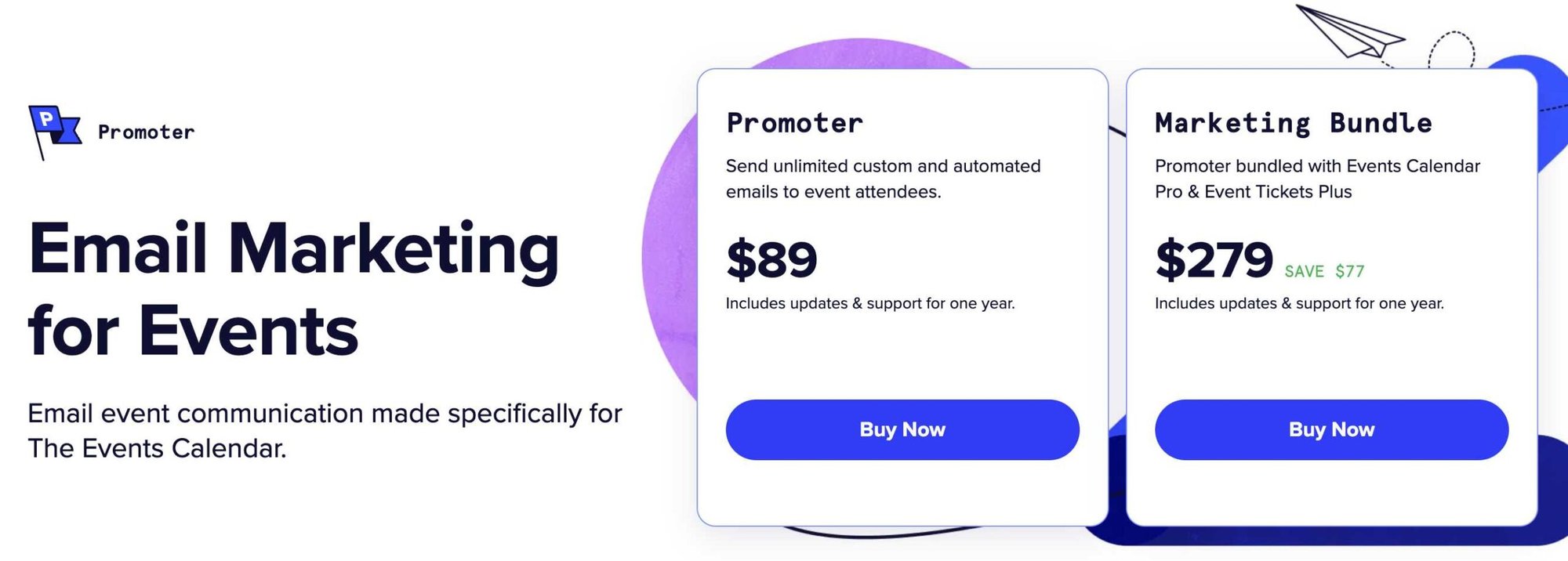
- Triggered messages: When someone leaves their registration unfinished, Promoter can send automated, perfectly timed follow-up messages with personalized content that includes details about the specific tickets or packages the viewer was interested in.
- Ready-to-use email templates: Want to save time while still keeping things personal? Promoter’s got you covered with ready-to-use message templates for common situations.
- Timeline view for effective campaign planning: The service offers a detailed timeline view that helps you space out your emails just right; not too soon to seem aggressive, but not so late that people lose interest.
Once you set up your sequences, Promoter handles everything automatically, keeping track of who needs a reminder and when and making sure no potential attendee slips through the cracks.
Method 3: Multi-platform event remarketing
Your potential attendees are going to be everywhere at once. They’re checking Instagram, browsing websites, scanning LinkedIn, and watching YouTube videos, sometimes all in the same hour!
That’s why successful event marketing needs to be everywhere, too. Welcome to the world of multi-platform remarketing, where you can keep your event top-of-mind no matter where your audience goes online.
Multi-platform remarketing is like casting multiple fishing lines instead of just one. Each platform offers unique ways to catch your audience’s attention.
- Social media sites like Facebook and Instagram can effectively show off your event’s personality. These platforms let you create glossy photo carousels and short videos that make your event look irresistible. Plus, their massive user base means you’ll reach tons of potential attendees.
- Google Display Network is like your event’s billboard system across the internet. When someone visits your event website but doesn’t register, these ads follow them across their favorite websites, offering (mostly) gentle reminders about your event.
- LinkedIn is your professional networking arm. It’s perfect for reaching business professionals and decision-makers, especially if you’re running industry events or conferences. Here, you can highlight networking opportunities and professional benefits that really speak to career-minded attendees.
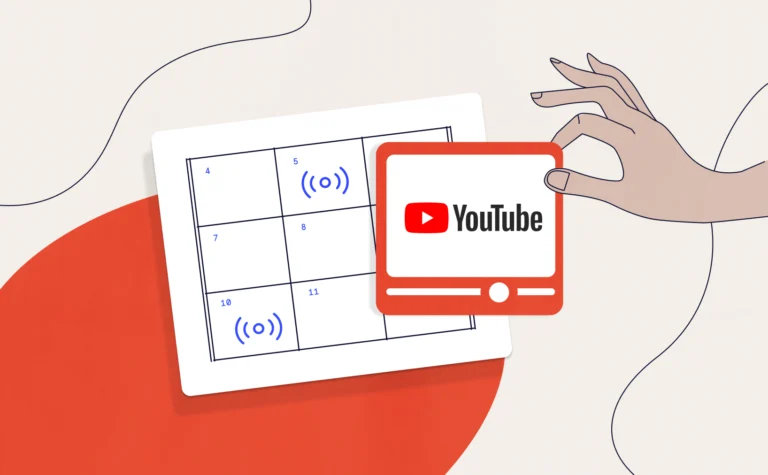
- YouTube helps you tell your event’s story through video. Whether it’s highlights from past events or sneak peeks at what’s coming, video ads can create excitement and anticipation like nothing else.
However, you’ll want to make sure that you target your audience in the right way across all of these platforms, to increase the combined impact of your campaigns. Here’s an example of a sample workflow for a coordinated multi-platform campaign.
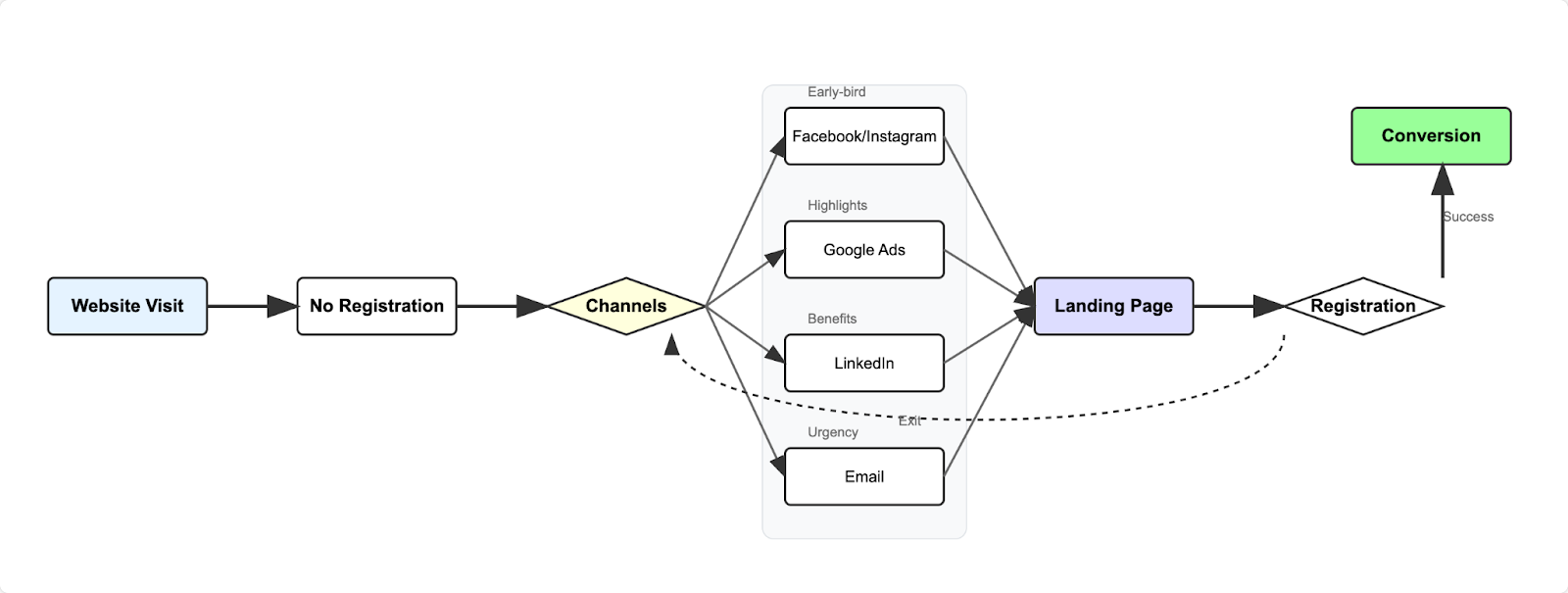
Keep an eye on how each platform performs and be ready to adjust. Maybe your LinkedIn ads are bringing in more registrations than Facebook; that’s a signal to shift more of your budget there. Stay flexible and follow what works best for your specific event and audience.
Method 4: Last-minute seat-filling automation
It’s a week before your event, and you’ve got a handful of empty seats to fill. Your to-do list is already overflowing with last-minute details. Who has time to manually track down potential attendees? This is where smart automation can help.
Modern automation tools act as your behind-the-scenes crew, quietly working to fill those empty spots while you tackle other priorities. No more late nights sending individual follow-up emails or tracking spreadsheets of potential attendees — your automated systems handle all that grunt work.
- Workflow automation software like Zapier can connect various platforms, creating a smooth flow of information. For instance, using Zapier you can set up a workflow that syncs event data with email marketing tools to send event updates to all registered attendees.
- Mailchimp transforms basic email campaigns into sophisticated communication flows by allowing you to set up automated email workflows for abandoned registrations and ticket promotions.
- Google Ads can be used for dynamic retargeting with multiple display ads that change based on real-time user actions.
With event automation, systems can simultaneously track visitor behavior, adjust messaging based on responses, and deliver perfectly timed prompts to drive ticket sales while you focus on creating an unforgettable experience for your attendees.
Method 5: Past attendee re-engagement strategies
Your previous event attendees are your fans as well as potential ambassadors. These folks already know the value of your events, making them a strong resource for filling those seats. Plus, they’re more likely to bring friends along, creating a ripple effect of ticket sales.
However, it’s essential to get creative with your outreach if you want to tap into this audience.
- Craft personalized messages that acknowledge their previous attendance: “Remember that amazing keynote speaker last year? This year’s lineup is even more exciting!”
- Combine these notes with exclusive perks like first dibs on tickets or special discounts to make them feel valued.
- Increase engagement by sharing insider content throughout the year. Give them backstage peeks at your planning process, spotlight exciting new additions, or share success stories from fellow attendees to keep your event fresh in their minds.
- Launch a loyalty program that rewards repeat attendance. Consider offering VIP perks, exclusive merchandise, or special access to certain event areas.
- Tag past attendees in throwback posts on social media channels, share memorable moments, and encourage them to share their own event stories. When their networks see this authentic engagement, it naturally sparks interest in your upcoming event.
- Turn your past attendees into active recruiters by offering sweet deals for bringing friends. Whether it’s a group discount or special perks for referrals, give them incentives to spread the word to multiply your ticket sales.
Nurture these relationships year-round. Regular newsletters, interactive social media challenges, or exclusive online meetups keep your community buzzing between events. This ongoing connection transforms one-time attendees into loyal supporters who are eager to consistently attend all your events.
Start filling seats: Launch your first retargeting campaign
Successful event retargeting isn’t about reaching everyone. It’s about reaching the right people with the right message at the right time. We hope these retargeting strategies and tools help you connect with people who’ve already shown interest in your event.
Your next successful event is within reach. Pick a strategy that resonates with your goals and start there. Test, learn, and adjust as you go. Before you know it, you’ll be wondering why you ever worried about empty seats in the first place!
Start your first retargeting campaign using tools like Promoter to transform those almost-attendees into enthusiastic participants!

Nathan
View author page