
Event Management Best Practices: The Essential Guide
Estimated reading time:
1 minute
Event managers must manage a wide array of tasks, from finding the right venue and coordinating vendors to handling marketing, ticketing, and keeping everything within budget. This fast-paced, high-pressure role demands serious multitasking.
But event management doesn’t have to be overwhelming. With the right strategies and tools, you can simplify the process, reduce stress, and focus on creating impactful events that truly engage your audience.
What are these? Read on and find out! It’s time to turn that event chaos into confident execution.
Event management vs. event planning
Before diving into best practices, it’s helpful to understand the distinction between event planning and management, though these roles often overlap.
Event planning focuses on the vision and strategy phase. Planners define the event’s goals, theme, and messaging. They handle budgeting, venue selection, and marketing strategy development, essentially building the foundation for execution.
Event management brings the plan to life, handling logistics from start to finish. This includes vendor coordination, day-of activity flow, staff oversight, and problem-solving. Management also extends beyond the event day to include post-event evaluation.
In smaller events, one person might handle both roles. Even with separate teams, responsibilities like budget oversight, vendor relationships, and stakeholder communication require strong collaboration between planners and managers.
|
Category |
Event planner |
Event manager |
|---|---|---|
|
Focus |
Strategy and creative direction. |
Execution and operational coordination. |
|
Timeline |
Mostly pre-event. |
Pre-event, during, and post-event. |
|
Role in the event |
Designs the event vision and structure. |
Delivers the experience and ensures flow. |
|
Primary tasks |
Budgeting, scheduling, marketing strategy. |
Logistics, vendor coordination, real-time problem-solving. |
|
Shared areas |
Budget oversight, timelines, communication. |
Budget oversight, timelines, communication. |
Event planning best practices
A well-structured workflow is essential for any successful event. Without proper organization, missed deadlines, budget surprises, and communication breakdowns can derail your plans.
Build your event goals around your community
Successful events start with a clear understanding of your audience and creating an experience that your community finds valuable, engaging, and worth their time.
To make that happen, your event goals should be shaped by what your audience actually wants.
Start by understanding your audience through feedback from previous events, surveys, and industry trends. Then set SMART goals (Specific, Measurable, Achievable, Relevant, and Time-bound) that address their needs. For example, aim to “increase ticket sales for April’s conference by 15% through targeted email and social media campaigns” rather than simply “increase attendance.”
Develop a detailed event roadmap
Even the best ideas can fall apart without a solid plan. A detailed event roadmap helps you organize every task and timeline so nothing slips through the cracks.
Start by breaking the planning process into three key phases: pre-event, event day, and post-event. For each stage, outline the essential tasks and assign deadlines to keep your team aligned and on schedule.
|
Pre-event phase: |
Event day: |
Post-event phase: |
|---|---|---|
|
|
|
Define team roles and responsibilities for smooth execution
One of the easiest ways to avoid confusion during event planning is to ensure everyone knows exactly what they’re responsible for. Start by assigning key roles based on the size and complexity of your event. Here are some core positions to consider:
- Event manager: Oversees planning and decision-making.
- Logistics coordinator: Manages vendors and venue setup.
- Marketing lead: Handles promotion across channels.
- Attendee experience manager: Oversees registration and guest satisfaction.
- Financial coordinator: Tracks budget and payments.
Depending on your team size, one person might hold more than one role, and that’s okay. What matters is that responsibilities are clearly outlined from the beginning.
Use project management tools to stay on track
Project management tools can make a big difference when juggling dozens of moving parts. They help your team stay organized, focused, and accountable at every event stage.
Tools like Trello, Asana, or Monday.com allow you to create task boards, set deadlines, assign responsibilities, and track real-time progress. This ensures that everyone knows what they need to do and when they need to do it. Schedule regular weekly check-ins to catch bottlenecks early, adjust plans if needed, and keep everyone in sync as the event date approaches.
Having said that, no matter how carefully you plan, unexpected changes will happen. Build flexibility into your plan by:
- Having a backup venue or a virtual alternative.
- Keeping a list of secondary speakers, entertainers, or vendors.
- Using real-time communication tools like Slack or WhatsApp to stay in close contact with your team during the event.
At the end of the day, flexibility is not a loss of control. It’s just being ready to pivot when something doesn’t go as planned.
Budget management and financial control
Managing an event budget isn’t the most glamorous part of the job, but it is one of the most important. Your budget should reflect your event goals, whether you’re aiming to turn a profit, boost brand awareness, or lock in new sponsors.
The key is to build a detailed budget early and revisit it often. That means working closely with your finance team, being realistic about costs, and leaving room for unexpected expenses.
Align finances with event objectives
89% of event managers say events are key to reaching their business goals. To demonstrate ROI, align your budget with specific objectives:
- Revenue-focused: Prioritize ticket pricing, sponsorships, and merchandise sales.
- Brand awareness: Invest in marketing, content creation, and media partnerships.
- Networking-centered: Allocate more for premium experiences, VIP spaces, and connection tools.
Set specific targets like “Sell 500 tickets at $50 each to generate $25,000” or “Increase VIP attendance by 20%.” Measuring success becomes straightforward when financial goals connect directly to your event’s purpose.
Break down your budget into fixed, variable, and contingency costs
Throwing numbers into a spreadsheet without a clear system is a fast track to budget chaos. To stay in control, break your budget into three categories: fixed, variable, and contingency costs.
- Fixed costs: Venue rental, permits, insurance, equipment, and other expenses that remain the same regardless of attendance.
- Variable costs: Catering, seating, programs, and gift bags that scale with headcount.
- Contingency fund: A 10–20% buffer for unexpected expenses.
When you organize your finances this way, you’ll have a clearer picture of where your money’s going, what’s flexible, and how much you can afford to adapt if plans shift.
Track spending in real time to stay within budget
Once the plan is in place, you must keep a close eye on spending as it happens.
Use budgeting software or detailed spreadsheets to log expenses as they occur. To prevent overruns, set alerts for high-cost categories like venue, catering, and marketing.
Regularly compare projected versus actual expenses to identify trends early and make necessary adjustments before minor issues become major problems.
Financial risk management
From sudden vendor cancellations to unexpected costs or refund requests, financial risks can hit fast and hard. That’s why having a risk management plan is just as important as having a budget. Prepare for possible disruptions by:
- Creating contingency budgets for various scenarios.
- Establishing protocols for budget overruns.
- Setting up real-time reporting for stakeholders.
- Monitoring refund policies and cancellation terms.
Being proactive about financial risks won’t stop them entirely, but it will put you in a much stronger position to handle them when they show up.
Technology and tools for smooth digital execution
No event manager has time to chase down spreadsheets, email chains, and scattered updates. That’s where smart tech comes in. The right tools can take a huge load off your plate by handling the heavy lifting behind the scenes.
Use a centralized event management platform
If you’re still using a dozen different tools to run your event, it’s time for an upgrade. A centralized event management platform supports registration, ticketing, event scheduling, and attendee tracking. It also integrates with your marketing tools, has attendee engagement features, and is responsive across devices.
If you’re using WordPress, The Events Calendar suite is the best solution to turn your website into a full-featured event management hub.
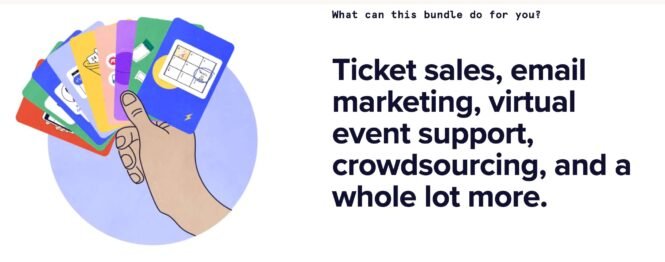
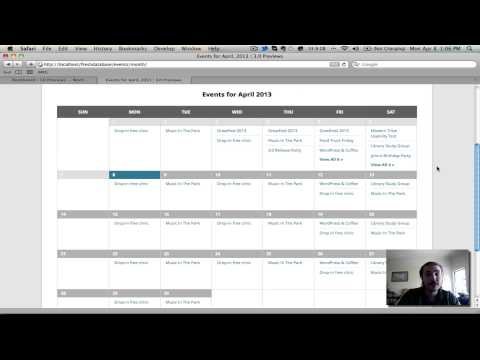
- The Events Calendar lets you create and manage events with ease. You’re able to display events on your website in a beautiful calendar or other views such as list, map, photo grid, and more. You can event embed your calendar on other websites!
- Event Tickets Plus offers end-to-end registration and ticketing features, including options to set pricing, limit capacity, collect attendee info, and manage check-ins.
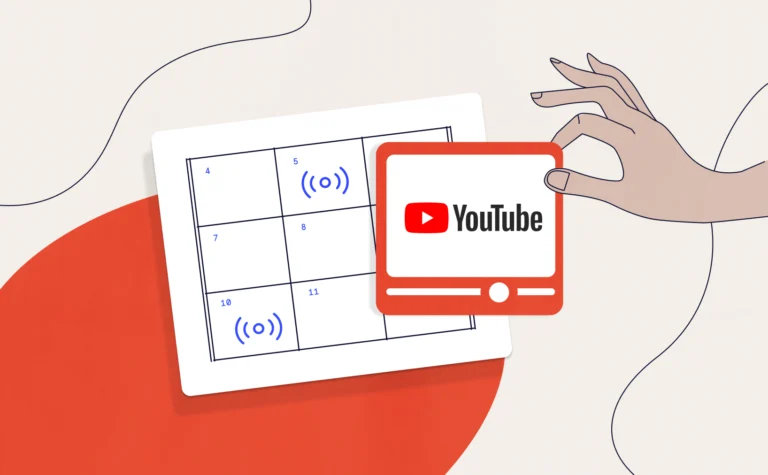
- Seating makes it easy to create interactive seat maps and offer different pricing based on location, which is perfect for concerts, conferences, or VIP experiences.
- Promoter handles your email marketing and attendee outreach, sending targeted messages before and after your event without jumping into another tool.
- Community Submissions lets users submit events directly to your calendar (with moderation control, of course).
Put them together, and you’ve got everything you need to plan, promote, and run events from your WordPress site.
Create tiered ticketing and pricing strategies
Offering multiple ticket pricing options gives people choices that match their needs and boosts your revenue in the process. With Event Tickets Plus, you can set up:
- Early-bird discounts to build momentum and give your event a nice head start.
- VIP packages that include premium perks like backstage access, exclusive networking lounges, priority seating, or even branded gifts.
- Group or member discounts to boost attendance from companies, clubs, or communities.
Optimize event website and registration process
If your event website is clunky, slow, or confusing, you’re losing attendees before they even register, especially if people are browsing from their phones. Here’s how to keep things simple and effective:
- Ensure mobile responsiveness with simple navigation.
- Create a landing page designed for converting visitors into attendees.
- Use clear calls-to-action and minimize registration steps.
- Add social proof through testimonials and past event highlights.
Employ mobile apps for attendee engagement
A dedicated mobile app or mobile-optimized experience gives attendees more control, more convenience, and a more connected experience overall. Here’s how to make it work:
- Share interactive event schedules, speaker bios, and session locations that can be accessed on the go.
- Send push notifications for live updates, last-minute changes, or session reminders.
- Create in-app networking opportunities so guests can connect, chat, and set up meetings.
Implement AI-powered personalization
Not every attendee wants the same thing, and with a packed schedule, it’s easy to feel overwhelmed. AI analyzes registration data to suggest sessions, speakers, and networking opportunities that actually match what attendees care about. To get the most out of AI, you can use it to recommend sessions based on user interests, role, or goals. This helps attendees feel seen and supported from the start.
- Offer personalized itineraries that can be accessed through your website, emails, or mobile app.
- Send timely, customized reminders so attendees never miss what matters most to them.
On-site operations and logistics
The real test happens on event day, where on-site logistics takes center stage. You need the right people, processes, and setup in place to ensure a smooth, professional experience. Planning ahead helps, but being able to problem-solve in the moment is just as important.
Ensure accessibility and inclusivity
Today’s attendees, especially millennials and Gen Z, care deeply about diversity, equality, and sustainability in events, and they’re quick to notice when those values are missing.
Make sure everyone can participate fully, regardless of ability. Select ADA-compliant venues with ramps, elevators, and accessible facilities. Offer assistive technologies like listening devices and sign language interpreters for visually impaired guests. Use clear signage throughout the venue.
If you’re using The Events Calendar, the Filter Bar add-on is a great way to make accessibility more visible on your website. It lets users filter events based on important criteria like wheelchair access and venue type, making it easier for attendees to find events that fit their needs.
Streamline check-in with digital solutions
Nothing kills the vibe of an event like a long, slow-moving check-in line. Attendees want to get in, settle, and start enjoying the event, not wait while someone sorts through a printed guest list.
Replace slow manual check-ins with digital solutions using QR codes or mobile ticket scanning. Consider self-check-in kiosks for high-traffic periods and have a system ready for on-the-spot walk-in registration.
Enhance engagement with gamification and AR
Adding interactive elements like leaderboards, points-based challenges, or team activities encourages guests to engage with speakers, explore booths, or network with others. You can also use AR to create interactive maps, scavenger hunts, or virtual product demos that bring your event to life in exciting new ways.
Set up security and safety protocols
A successful event is a safe event — plain and simple. Attendee safety should be at the top of your priority list from day one, and that means having solid security plans in place well before guests walk through the door.
Develop detailed security protocols including:
- Access control systems and trained personnel.
- Crowd management procedures for entries and exits.
- Clearly marked emergency routes.
- Medical response stations.
- Protocols for handling disruptions and lost items.
When attendees feel safe and know you’ve prioritized their safety, it builds trust, and peace of mind improves the entire experience.
Build a risk management and contingency plan
To prepare for a wide range of situations without scrambling when something goes sideways, you need to:
- Create a risk assessment matrix that outlines possible scenarios and their level of impact.
- Develop specific response procedures for different emergencies.
- Establish clear communication channels so your team can respond fast and stay coordinated.
- Train staff on emergency protocols.
Setting up an incident reporting system to track issues and maintain updated contact lists for emergency services, vendors, and venue staff is also a good idea.
Stakeholder relationship management
It takes a team of people working behind the scenes to make an event happen. As an event manager, you must keep everyone aligned, informed, and working toward the same goals.
That means setting expectations early, sharing updates regularly, and being available when questions or last-minute changes arise.
Establish effective coordination with event planners
When event planners and managers are in sync, everything flows better, from timelines and budgets to vendor bookings and on-site logistics. But when that communication breaks down, it’s a one-way street to missed details and a misaligned event experience.
To avoid that chaos, establish:
- Regular check-ins to discuss progress and address roadblocks.
- Clear approval processes for changes and decisions.
- Centralized tracking of plan modifications and their justifications.
This transparency builds trust and prevents misalignment between strategy and execution.
Develop strong vendor relationships
Vendors are the backbone of your event, but even the best vendors can’t deliver well without a little relationship-building along the way. Manage these partnerships effectively by:
- Thoroughly vetting potential vendors through portfolios and references.
- Creating detailed contracts with clear deliverables and expectations.
- Establishing primary and backup contacts for every service.
- Conducting pre-event walkthroughs and scheduled check-ins.
- Tracking performance for future reference.
Vendors who feel supported are more likely to deliver exceptional service and accommodate last-minute needs.
Have a volunteer management strategy
Volunteers can make a huge difference at your event, but only if they’re well-organized and supported. Here’s how to keep it smooth and stress-free:
- Assign clear roles like registration, attendee support, logistics, or tech help.
- Provide proper training so they know exactly what to do (and what to expect).
- Set up a clear point of contact for questions or issues on the day.
- Use digital tools to manage schedules, shifts, and important updates.
Maintain strong client/sponsor relations
Keeping sponsors happy means better experiences now and stronger partnerships in the future. Here’s how to keep those relationships strong:
- Build sponsor delivery checklists to make sure every promise is fulfilled.
- Send regular updates so they know what’s happening and when.
- Assign a go-to contact for VIP sponsors; someone they can rely on throughout.
- Track and report event performance in real time.
- Document all sponsor activations to show what was delivered.
- Have a backup plan for anything that might go sideways.
Once the event wraps up, schedule post-event debrief sessions to share insights, feedback, and results. It’s your chance to celebrate wins, address any gaps, and start building the relationship for next time.
Oversee post-event data analytics breakdown
19% of event marketers do not have the right data, and 18% do not have the right tools to measure the success of their events. Talk about a missed opportunity!
Post-event analytics provide critical insights into attendee satisfaction, engagement levels, and ROI, helping you improve future events and demonstrate value to stakeholders.
Let’s look at what event metrics you should be tracking and why.
Define key performance indicators (KPIs) beforehand
Defining your KPIs early on ensures that success is tracked against specific benchmarks that matter to your team, stakeholders, and sponsors.
Here’s how to do it effectively:
- Align KPIs with your event objectives. If your goal is to boost brand awareness, track visibility. If it’s lead generation, focus on conversions.
- Choose KPIs that are easy to track and meaningful to your stakeholders. A few strong examples include:
- Attendance figures, comparing total registrations to actual check-ins.
- Engagement levels, including mobile app usage, session participation, and interactions during networking activities.
- Sponsorship ROI, measured through leads captured, brand visibility, or on-site activations.
- Brand reach, using metrics like social media mentions, hashtag usage, and website traffic spikes around the event dates.
Once your KPIs are set, share them with your team so everyone is aligned. That way, when the event wraps up, you’ll have a clear scorecard to evaluate what worked and where there’s room to grow.
Use data analytics for actionable insights
Transform raw data into practical improvements by analyzing:
- Ticket sales and revenue patterns.
- Session performance by looking at attendance numbers.
- Venue traffic patterns through heat maps or location tracking. Were there high-traffic zones you can leverage better next time? Were any areas underused or overlooked?
Avoid collecting data for the sake of it. Gather information that helps you improve. With the right insights, you can refine every aspect of your next event and deliver even better results.
Collect post-event feedback effectively
Want to know how your event really went? Ask the people who were there. Here’s how to collect post-event feedback the right way:
- Send surveys within 24–48 hrs after the event, while the experience is still fresh.
- Offer small incentives to boost response rates.
- Keep questions focused and relevant. Ask about session quality, venue experience, event logistics, networking opportunities, and anything else tied to your goals.
- Use a combination of rating scales, multiple choice, and open-ended questions to get both quantifiable data and honest opinions.
Don’t forget to review and actually use the feedback. Share key takeaways with your team, and make sure learnings are carried into your next planning cycle.
Assess sponsor and exhibitor ROI
Your sponsors and exhibitors aren’t supporting your event for fun. They expect results, and it’s your job to help deliver and measure them. Help partners measure their return by tracking:
- Lead generation numbers and lead quality.
- Brand visibility across physical and digital touchpoints, including social media mentions, event app clicks, website traffic, and physical booth traffic.
- Engagement with sponsored content or activations.
Document results in a post-event report or recap to share with each sponsor and build trust for future collaborations. Showing sponsors that you’re invested in their success is the fastest way to turn one-time support into long-term partnerships.
Elevate your event management with The Events Calendar Suite
Successful event management comes down to a few key things: Solid planning, smart budgeting, a dependable team, thoughtful engagement, and knowing how to learn from each event.
When those pieces come together, you’re able to deliver events that grow your audience and generate revenue. Best case scenario? You might even build a community.
Of course, expectations are higher than ever. People want events that blow their minds…and event managers need great tools and methods to meet those demands without burning out.
We’ve covered some of the tools you can use for effective event management, but for more tips on how to become a better event manager and organize successful events, sign up for our newsletter!
Keep learning, keep improving, and keep creating events that people love. You’ve got this.

Nathan
View author page