
How to Build Winning Ticket Pricing Strategies

Estimated reading time:
1 minute
What’s the difference between a profitable event and a financial disaster? Often, it comes down to just a few dollars in ticket pricing. It’s no wonder that 21% of event organizers rank pricing as their biggest challenge.
After talking to our Events Tickets Plus users, we noticed that many of them struggled to find the sweet spot between affordability and profitability. So, we decided to break down the exact science behind successful ticket pricing and share some effective strategies to get that price right.
You can use these to maximize attendance, drive revenue, and basically create pricing structures that sell themselves!
Fundamentals of event ticket pricing
Before diving into specific strategies, you need to understand the key principles that shape how tickets should be priced.
Understanding value in ticket pricing
Ticket pricing includes two main aspects — covering costs and reflecting the value of the experience you’re offering. Attendees often link higher prices with premium experiences and lower prices with budget or low-demand events. The challenge is setting a price that matches what attendees expect while ensuring you make a profit.
So, what are the factors shaping perceived ticket value?
- Event type: A high-profile concert can command premium pricing, while a community theater performance may need more affordable options.
- Artist/performer/keynote speaker popularity: Events featuring in-demand personalities justify higher ticket prices. A headlining band can charge more than a local act that is still building its following.
- Exclusivity & prestige: VIP access, backstage passes, and premium seating increase perceived value and allow for tiered pricing. Think about the difference between general admission and “gold circle” tickets at concerts.
- Venue type & ambience: A historic venue or luxury stadium allows for higher pricing than a generic conference center. For instance, the Teatro alla Scala in Milan can charge premium prices partly because of its grand setting and history.
- Location & accessibility: Well-located venues in major cities can justify premium pricing, as compared to less popular cities or less accessible locations. (Fun fact: Taylor Swift’s Eras Tour tickets cost just $529 in Glendale, AZ, versus a whopping $3,071 in Indianapolis, IN.)
- Audience demographics: Corporate audiences (like industry conferences) may pay higher prices than general entertainment audiences. Family-friendly events may require pricing strategies that prioritize affordability to attract larger groups.
Key factors influencing pricing
We’ve seen how the audience’s perception of money vs. value works. Now, let’s look at what factors have an actual impact on ticket prices.
1. Supply & demand dynamics
The basic pricing principle applies here: high demand + limited supply = premium pricing; low demand + abundant supply = lower pricing.
Popular events with scarce seating or time-sensitive access (like annual festivals, playoffs, or finals) can increase ticket prices dynamically. The Super Bowl is the perfect example — tickets go for thousands because everyone wants in, but there are only so many seats to go around.
But what if the supply is more than the demand? That’s when you need to get creative, implementing offers like:
- Early bird deals to get momentum going.
- Two-for-one specials to fill those empty seats.
- Special bundle offers to sweeten the deal.
2. Venue capacity, seat types, and layout
Venue is perhaps the most important factor influencing ticket pricing. A cozy 200-seat jazz club can often charge more per ticket than a 2,000-seat theater. Why? Because intimacy has value. Floor seats vs. balcony views are pricing tiers that can maximize your revenue, while reserved seats can be a premium feature people will pay extra for.
3. External conditions that impact pricing
- Market competition: If you are up against a similar event in town, it’s going to impact your ticket price.
- Timing and seasonality: Seasonal changes affect attendee rates as well. Summer festivals often command higher prices than off-season events. Similarly, if two major artists are performing in the same city on the same weekend, ticket prices may need adjustment based on how the demand shifts according to the timing.
- Economic factors & consumer behavior: Inflation, recession, and overall economic climate influence consumer spending on events. How’s the economy doing in your target market? What are people’s spending habits looking like? Is inflation affecting your audience’s entertainment budget? Answer all these questions before deciding your final price.
Break-even analysis
Setting a ticket price without knowing your break-even point can lead to losses or missed revenue opportunities. Break-even pricing ensures that, at a minimum, all costs are covered before making a profit.
How to calculate the minimum ticket price
- Identify fixed costs (expenses that don’t change regardless of ticket sales):
- Venue rental.
- Speaker/performer fees.
- Event marketing expenses.
- Insurance, security, staffing.
- Identify variable costs (expenses that depend on ticket sales or attendee count):
- Per-ticket processing fees.
- Food and beverage costs.
- Swag, merchandise, or attendee gifts.
- Break-even formula: Break-even price = (Total Fixed Costs + Total Variable Costs) / Expected Ticket Sales
- Example scenario:
- Fixed Costs: $50,000
- Variable Costs: $5 per ticket
- Expected Ticket Sales: 1,000 tickets
- Break-Even Ticket Price: (50,000 + (1,000 × 5)) / 1,000 = $55
That covers the fundamentals. Now, let’s explore some proven ticket pricing strategies to drive revenue and increase event attendance.
Essential ticket pricing strategies
For the sake of convenience, we’ve grouped these strategies into five categories — standard, discount-based, dynamic pricing, creative pricing, and cost/competition-based pricing.
Category 1: Standard pricing strategies
1. Early bird pricing
Early bird pricing offers discounted rates to customers who purchase tickets well before the event. This strategy generates immediate revenue for upfront costs while building early momentum for ticket sales. Most events structure early-bird pricing in phases, with prices increasing as the event date approaches.
For example, a conference might offer tickets at $299 for the first month of sales, increasing to $349 for the second month, and reaching the full price of $399 afterward. Using clear deadlines and displaying remaining tickets at each price point helps drive purchasing decisions.
However, early bird pricing may not always work as expected. If your event doesn’t have established value or if the discount isn’t significant enough, early bird offers might not generate the excitement you’re hoping for.
2. Tiered pricing
Tiered pricing offers different levels of access or amenities at varying price points. This approach maximizes revenue by catering to different budget levels and preferences. Each tier should offer distinct benefits that justify the price difference.
A typical structure might include:
- Silver: Basic event access.
- Gold: Better seating or additional amenities.
- Platinum: Best seating plus exclusive benefits.
For effective implementation, ensure each tier offers clear value differentiation.
3. Bundled pricing
Bundled pricing combines tickets with relevant add-ons to create comprehensive packages. This strategy increases the average transaction value while simplifying the purchasing process for attendees.
Ensure that bundle components provide genuine value while maintaining profitable margins. Price the bundles slightly below the cost of purchasing items separately to encourage bundle ticket sales.
4. VIP/Premium pricing
VIP pricing targets attendees willing to pay more for enhanced experiences. This strategy can significantly increase per-ticket revenue while providing premium service to your highest-value customers. Successful VIP offerings include exclusive access areas, priority services, premium amenities, and special recognition.
Data shows that 81% of attendees are ready to pay more for enhanced experiences, so try to limit VIP ticket availability to maintain exclusivity and focus on delivering tangible benefits that justify the higher price point.
Category 2: Discount-based strategies
1. Membership discounts
Membership discounts provide special pricing to loyal customers, organization members, or repeat attendees. This approach builds long-term relationships while ensuring consistent attendance at multiple events.
Common membership structures include:
- Annual passes with discounted entry to all events.
- Members-only presale access.
- Scaled discounts based on membership tiers.
- Special rates for professional associations.
2. Sponsor/partnership discounts
Want to sell more tickets? Team up with other businesses! Partner discounts help you reach new audiences while sharing marketing costs. You offer special rates to your partners’ customers, and they help spread the word about your event.
Good partnerships make sense to attendees. A food festival might team up with local restaurants to offer dinner-and-show packages. A business conference could work with industry associations to give their members special rates. Companies often love these deals because they can treat their employees or clients to your event at better prices.
Making partner discounts work is straightforward:
- Give each partner their own promo code so you can track sales.
- Be clear about when discounts start and end.
- Set a price floor so you don’t lose money.
- Keep your partners in the loop about how their offers are doing.
Just remember, small discounts rarely excite people. Instead of offering 10% off, think about adding something special, like better seats or early entry. Your partners’ customers should feel like they’re getting an insider deal.
3. Group discounts
Groups mean guaranteed seats filled and upfront revenue. Plus, they’re usually easier to manage than individual sales.
Most events start group rates at 10 people, but you can adjust this based on your venue size. The bigger the group, the better the discount can be. To make group bookings even more appealing, you can add perks like a dedicated check-in desk, reserved seating block, or private pre-show space. For corporate groups, consider throwing in a meeting room or private reception area.
Keep an eye on your margins, though. Group discounts should reward bulk buying without eating into your profits. Make sure to always get a deposit, as it helps guarantee attendance and gives you some early revenue.
Category 3: Dynamic pricing strategies
1. Dynamic pricing
Have you ever noticed how airline prices change based on demand? The same idea works for events. When tickets are selling fast, you can raise prices. If sales are slow, you might need to lower them.
However, watch your sales patterns. If your VIP tickets are flying off the shelf while regular tickets aren’t moving, that’s a sign to adjust. Maybe your VIP tickets are too cheap, or your regular tickets are too expensive. Just make sure your price changes make sense to customers; nobody likes seeing ticket prices double overnight!
🚨Dynamic pricing has been receiving a lot of backlash recently, especially from the music industry, as inflated ticket prices often make fans pay more than the face value of the ticket. So, be cautious about using this method, because it can have a direct impact on your brand’s image.
2. Scarcity-driven pricing
When tickets are running low, you can use that to your advantage. People are more likely to buy when they think they might miss out.
Start by showing how many tickets are left. “Only 50 VIP tickets remaining” creates urgency that can speed up sales. You can also increase prices as inventory drops; maybe bump them up 10% when you hit 75% sold, and another 10% at 90% sold.
Just keep it honest. Don’t create fake scarcity, as customers can spot that from a mile away.
3. Last-minute pricing
Sometimes, you need to fill empty seats fast. Having a plan for last-minute sales can help you avoid empty seats while protecting your regular ticket prices.
A theater might offer student-rush tickets an hour before showtime. A conference might send special offers to their email list for unfilled spots. It is important to target these deals carefully, as you don’t want regular customers waiting for last-minute discounts instead of buying early.
Some events use flash sales: short, sharp discounts that last just a few hours. These work well on social media, where you can create a buzz quickly.
4. Lottery and auction pricing
For high-demand events, sometimes letting the market decide the price works best. You can auction premium seats to the highest bidder or use a lottery system for fair distribution.
Auctions work great for VIP experiences as they help you capture maximum value from your most sought-after tickets. Meanwhile, lotteries can help make expensive or limited-availability events feel more accessible.
Category 4: Creative pricing strategies
1. Pay-What-You-Want (PWYW)
This might sound scary — letting attendees choose their ticket price? But it can work surprisingly well, especially for community events, arts performances, or when you’re building an audience.
Most organizers set a minimum price to cover basic costs, then let attendees pay more if they want to. A local theater might set a $5 minimum but suggest $15 as a recommended price. You’ll find some people pay less, but others will happily pay more to support your event.
Be clear about what the money supports. When people know their extra dollars help fund community programs or artist payments, they’re often more generous.
2. Freemium pricing
Start with something free, then charge for extras, offering a taste to get people hooked.
A virtual conference might let anyone watch the keynote speeches for free, but charge for workshop access and networking sessions. Or a festival might offer free entry but charge for special performances or VIP areas.
This works best when your free offering is genuinely valuable, but your paid extras are too good to miss. Make sure you can cover your basic costs even if everyone only takes the free option.
3. Value-based pricing
Instead of focusing on your costs, think about what your event is worth to different attendees. Look at what your audience gains from attending. Will they learn skills that could land them a better job? Can they make connections that could boost their business? The more value they get, the more they’ll pay.
Explain this value clearly. Break down what attendees get and why it’s worth the price; don’t make them guess.
4. Variable seating-based pricing
Many event organizers miss revenue opportunities by offering only general admission tickets without seat selection. As we’ve seen above, premium seating options, such as VIP areas, front-row seats, and exclusive booths, allow for higher pricing tiers and more revenue per attendee.
Studies show that attendees are willing to pay more when they have the option to select their exact seats rather than risk being placed in a random location. For most venues, this can mean much higher ticket prices for reserved seating.
For event organizers using WordPress for their event management needs, our Seating tool can be just the thing. It offers:
- An interactive visual map that lets attendees explore seating layouts, compare prices, and select seats in real time to encourage premium ticket purchases. Customers can even see the view from different sections before buying.
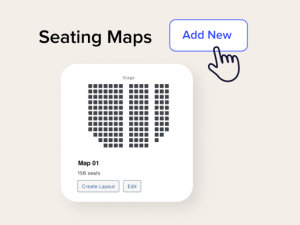
- Variable seat pricing based on seat location, exclusivity, and accessibility, ensuring high-value seats drive maximum revenue.
- Real-time updates so that attendees can see which seats are selling quickly and get motivated to purchase sooner to secure better spots.
- Dynamic inventory management to avoid double-booking of seats and loss of revenue.
- Color-coded seat maps to help attendees quickly identify VIP, accessible, and high-demand seating and make a decision faster.
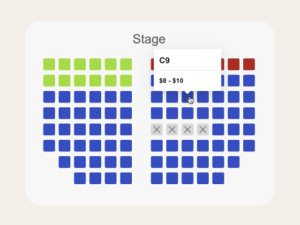
- A countdown timer that locks selected seats for a short period, encouraging quick purchases and reducing cart abandonment.
Category 5: Cost-based and competition-based pricing
1. Cost-based pricing
Start with the basics: what does it cost to run your event? Add up everything — venue rental, staff and security, marketing, entertainment or speakers, equipment, and insurance.
Now divide by your expected attendance. That’s your break-even price per ticket. Add your target profit margin, and you’ve got your basic ticket price. Simple, right?
Well, not quite. Because now you need to look around.
2. Competition-based pricing
Find out what similar events around you are charging. You don’t have to match their prices exactly, but you should know where you stand.
If you’re charging double what everyone else charges, you’d better offer something special. If you’re charging half, make sure you can still make money. A comedy club charging $10 when others charge $25 might fill seats, but they’ll struggle to book good performers.
The trick is to be different enough to justify your prices. Maybe you offer better seating, fancier food, or more famous speakers. Or perhaps you keep things simple and pass the savings to your attendees. Either way, make your choice clear to potential buyers.
Good pricing usually means balancing all three: your costs, your competition, and what customers will pay. Start with your break-even price, check what competitors charge, then adjust based on your unique value.
Don’t be afraid to test different prices. Try offering different tiers, run some early bird specials, and see what works. Keep track of what sells and what doesn’t to find your perfect price point.
Tools to optimize your pricing strategy
You don’t need fancy software to make data-driven decisions. Start with:
- Your ticketing platform’s analytics.
- Simple spreadsheet tracking.
- Social media engagement numbers.
- Email campaign results.
These basic tools can tell you a lot about what’s working and what isn’t.
If you need more advanced features, you can use Google Analytics to track user behavior and conversion rates.
Then there are event ticketing platforms like Eventbrite, Ticketmaster, and Event Tickets Plus, which can help you manage your event registrations and track ticket sales.
Try small experiments with pricing. Release a limited number of tickets at a new price point and see what happens. Test different discount levels or package deals. Just change one thing at a time — that way, you’ll know exactly what worked or didn’t.
Data is helpful, but don’t forget the human side. Talk to your attendees. What do they think about your prices? What would make them buy earlier or spend more? Sometimes, a quick chat with customers tells you more than a spreadsheet ever could.
Start implementing your pricing strategy today
Success in event ticketing is all about making data-driven decisions that balance your revenue goals with market demands. Use real-time analytics to track sales trends, monitor competitor pricing, and understand customer behavior to build a pricing strategy that maximizes both attendance and profits.
Fortunately, there’s a lot of technology in the market that makes it easier than ever to implement the pricing strategies we’ve discussed above.
So, don’t let outdated pricing approaches hold your event back. Transform your ticket pricing from a static afterthought into a powerful tool for success!
For more insights on event ticket pricing and management, sign up for our newsletter.

Nathan
View author page