
Pre-Event to Post-Event Engagement Strategies
Estimated reading time:
1 minute
If you’re an event planner that hasn’t been hiding under a rock for the last five years, you know — running successful events is not easy anymore.
Traditional events struggle with getting people through the door and keeping them interested once they’re there. Virtual and hybrid events are dealing with “Zoom fatigue,” those awkward “can you hear me?” moments, and the lack of coffee break conversations in a digital space.
The silver lining is, when you nail event engagement, you build a real connection between attendees, what you’re sharing, and all the good stuff happening. That’s how you turn folks from just showing up to being total fans who can’t wait for the next one.
So, in this guide, we’re sharing some tips to keep your crowd engaged from start to finish. We hope you can use these event engagement strategies to create memorable experiences that resonate long after the event ends.
How to build pre-event excitement and drive attendance
Pre-event engagement involves creating buzz, setting expectations, and getting your attendees excited about what’s to come. Here are some ways to go about it!
1. Create a landing page for your event
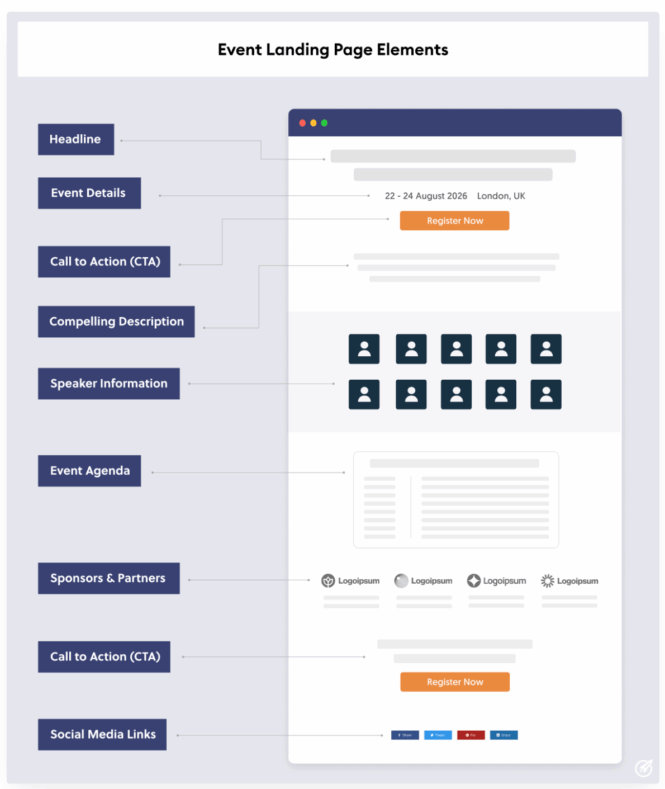
Your event landing page needs to grab attention and provide all the essential information in one place. Key elements your landing page must include are:
- A compelling event description that highlights unique value.
- Clear date, time, and location details.
- Speaker profiles and photos.
- Interactive schedule display.
- Easy-to-spot registration button.
Don’t forget to add an FAQ section that answers common questions before they’re asked. Address everything from parking information to dietary accommodations — this shows you’ve thought about your attendees’ needs and helps build trust. Place your event registration button prominently on the page, making it impossible to miss.
If you’re organizing multiple events, or have several different sessions during the course of an event, mapping them out on a calendar-type display makes it very easy for attendees to find and reserve the sessions they’re interested in.
The Events Calendar’s Event Schedule Manager plugin makes this incredibly easy for WordPress users. With Event Schedule Manager, you can create stunning event pages that display your schedule in an easy-to-read format, complete with speaker sessions, breaks, and networking opportunities.
2. Set up a powerful registration and ticketing system
Nobody loves filling out forms, so make your registration process painless and even exciting. Your ticketing system should have multiple ticket tiers that cater to various attendee needs, from early birds who love a good deal to VIPs who want the full experience.
Want to boost group registrations? Create special packages that make it attractive for teams to attend together and sprinkle in some discount codes that make people feel like they’re getting an insider deal.
Keep things simple with a streamlined checkout that doesn’t ask for someone’s life story.
3. Use email marketing to increase interest
Once someone registers, keep the excitement building through strategic email communication. Send personalized messages based on their interests, rather than generic reminders, to make attendees feel special.
Your email campaign should include:
- Speaker spotlights and interviews.
- Sneak peeks of workshop content.
- Behind-the-scenes updates.
- Pre-event surveys and polls.
Sending out pre-event surveys helps understand audience expectations and makes attendees feel invested in the experience. However, make sure to convey genuine value in each email, while building anticipation, else you might see unsubscriptions or worse, be moved to the spam folder!
4. Hype it up on social media
Social media is your megaphone for event promotion, and using it right can create serious buzz. Start by creating a catchy event hashtag that’s easy to remember and unique to your event.
Keep your social feeds active with engaging content like:
- Behind-the-scenes photos of event preparations.
- Quick video interviews with speakers.
- Countdown posts with exciting reveals.
- Success stories from previous events.
Pay attention to what people are saying about your event online. When someone asks a question or shares their excitement, jump in and engage with them.
5. Host pre-event contests and create FOMO
Nothing gets people excited quite like the chance to win something awesome. Create buzz by offering prizes that your audience really wants. This could be free passes to your event, exclusive VIP experiences, or even special meet-and-greets with keynote speakers.
Make your contests fun and simple to enter. Ask participants to share why they’re excited about your event or have them tag friends who might be interested. The key is to keep entry requirements easy while maximizing engagement.
Display registrants publicly (with permission) to leverage social proof. The psychology is simple: when people see others excited about attending, they don’t want to miss out. So, as registration numbers grow, FOMO will create a sense of urgency that drives ticket sales.
6. Connect with industry influencers for paid marketing
Finding the right influencers for marketing your event can amplify your event’s reach to exactly the right audience. Look for voices that your target attendees already know and trust. These aren’t necessarily the people with the most followers, rather they’re the ones with the most engaged and relevant audiences in your industry.
Give your chosen influencers an inside look at what makes your event special. Provide them with exclusive content, early access to event features, or special interview opportunities with speakers.
When they share their genuine excitement about your event, their followers are more likely to take notice and register. Track their impact by creating unique promotional codes for each influencer, helping you measure which partnerships drive the most registrations.
In-event strategies for peak engagement
Your attendees have arrived, and now it’s time to deliver on all the excitement you’ve built up. The key to keeping engagement high during your event is to create opportunities for active participation rather than passive attendance. Here’s how to keep the energy flowing and your attendees fully involved throughout your event.
7. Design spaces that encourage interaction
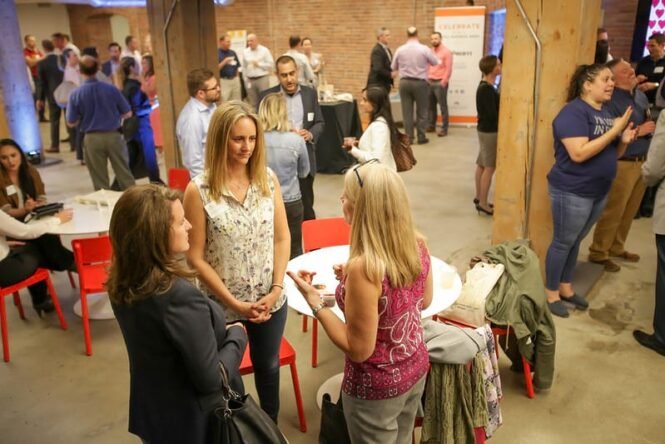
Your venue layout should be a carefully crafted experience that guides attendees naturally from one meaningful interaction to the next. Start by mapping out high-traffic zones strategically. Place registration desks where they won’t create bottlenecks, and position networking areas near refreshment stations to encourage casual conversations over coffee or snacks.
Create Instagram-worthy photo spots featuring your event branding, and balance lively networking areas with quieter spaces for those who need to recharge.
Remember that every inch of your venue communicates something about your event. Make sure it’s saying what you intend through thoughtful design, signage, and accessibility considerations.
8. Craft a flexible, attendee-centered agenda
Not every attendee is looking for the same thing from your event. Some might be focused on learning technical skills, while others want to build leadership abilities. That’s why a one-size-fits-all agenda rarely delivers the best experience. Instead, create a flexible program that lets attendees chart their own course through your event.
Use an event app that allows personal schedule creation, and clearly categorize sessions to help people find relevant content.
Mix up your session formats to keep energy levels high throughout the day. For example, you could have:
- 45–60-minute keynotes for big ideas.
- 30-minute lightning talks for quick insights.
- 90-minute workshops for hands-on learning.
- 20-minute breaks for networking and reflection.
For those who can’t attend every session they’re interested in, or for your virtual participants, record key presentations and make them available on-demand.
9. Choose dynamic speakers and optimize your setup
Great content needs great delivery to make an impact. When selecting speakers, find presenters who can turn complex ideas into compelling stories. The best speakers don’t talk at their audiences, but rather create conversations and experiences that stick.
Help your speakers with their presentations by:
- Providing clear guidelines about your audience’s interests and needs.
- Scheduling pre-event practice sessions.
- Sharing tips for creating interactive moments.
- Setting expectations for slide design and visual aids.
Encourage your presenters to think beyond traditional lectures. Ask them to weave in audience participation every 15–20 minutes, whether through quick polls, partner discussions, or hands-on exercises.
10. Use seating arrangements that promote engagement
Forget rows of chairs all facing forward; modern events need innovative seating that gets people talking. The way you arrange your space can make the difference between a room full of passive listeners and an energized group of active participants. Think about how furniture can help create the connections you want to see at your event.
Round tables naturally encourage conversation, making them perfect for workshop sessions where you want attendees to share ideas. For networking events, mix in some high-top tables where people can gather casually, and create cozy corner setups with comfortable chairs where smaller groups can have focused discussions.
11. Allow for breaks between sessions
Back-to-back sessions might seem efficient on paper, but they can leave your attendees feeling drained and overwhelmed. Strategic breaks are valuable opportunities for processing information, making connections, and staying energized throughout your event.
Plan your schedule with breathing room between activities. But don’t just leave attendees to figure out breaks on their own. Make these intervals count by offering structured options that add value to their experience:
Consider providing:
- Quiet zones for checking emails or making calls.
- Guided stretching or meditation sessions.
- Refreshment stations that encourage casual networking.
Some of the most valuable connections happen during these informal moments. When attendees are relaxed and refreshed, they’re more likely to engage meaningfully with your event content and with each other.
12. Offer event swag and unique experiences
A branded pen and notepad as event memorabilia is a thing of the past. Event participants now expect memorable items and experiences that add real value. Make your swag count by focusing on items that attendees will actually use and appreciate, such as:
- Eco-friendly water bottles with your event branding.
- Digital resources they can access anytime.
- Interactive experiences at sponsor booths.
- Options to donate to meaningful causes.
Turn swag into an engagement tool by creating a rewards program. When attendees join discussions, complete surveys, or connect with sponsors, they can earn points toward exclusive merchandise or VIP experiences. This drives participation and also makes receiving swag more meaningful.
13. Host inclusive Q&A panels
Q&A sessions don’t have to be a game of fastest-hand-wins. Transform these valuable moments into truly inclusive conversations where every attendee has a chance to be heard.
Modern event apps let attendees submit their questions digitally throughout the session, while others upvote the ones they find most interesting, ensuring you address the topics your audience cares about most.
Build panels that reflect your diverse audience. When attendees see speakers who share their experiences and backgrounds, they’re more likely to engage with the discussion. A skilled moderator can weave these different perspectives together, keeping the conversation flowing while making sure every panelist gets equal time to share their insights.
14. Add an element of gamification
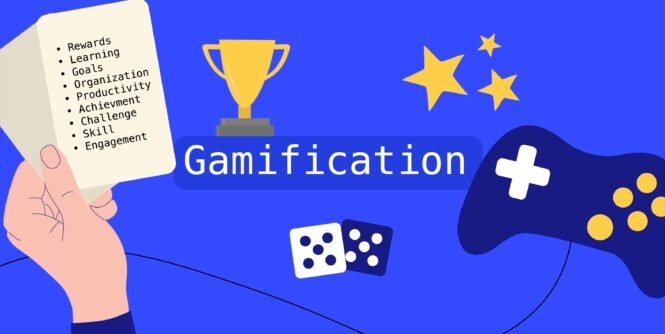
Gamification taps into our natural love of challenges and rewards. Create point-based activities for attending sessions, networking, or visiting exhibitors. Display real-time leaderboards to spark friendly competition, and design scavenger hunts that encourage exploration of your entire event.
Winners can unlock exclusive experiences like VIP access to speakers, premium seating at popular sessions, or special sponsor merchandise. This kind of playful approach makes the event more fun, encourages active participation, and helps attendees get more value from their experience.
15. Offer interactive activities
Passive learning is so yesterday. Today’s attendees want to roll up their sleeves and dive into hands-on experiences that teach them something valuable.

Start with practical workshops where participants can develop new skills they’ll actually use in their daily work. These sessions should be small enough for everyone to get personal attention and practice what they’re learning.
When attendees work together, whether they’re solving a business case study or participating in a group design challenge, these shared experiences create lasting connections and memorable learning moments.
16. Identify live entertainment opportunities where possible
Who says professional events can’t be fun? Break up the serious stuff with carefully chosen entertainment that energizes your audience. Imagine starting your morning keynote with an acoustic performance that sets the perfect mood, or using a brief comedy segment to wake everyone up after lunch.
You can even showcase local talent to add authentic flavor to your event. A cultural performance during breaks or a digital art installation in the networking area can spark conversations and keep energy levels high.
17. Support holistic attendee needs
Remember that your attendees are whole humans with varying needs throughout your event. Offer mindfulness sessions such as guided meditation, breathing exercises, or stress-relief workshops to help attendees reset.
Complement these with thoughtfully designed quiet zones featuring comfortable seating, plenty of greenery, and soft lighting to create a serene atmosphere. Offer options for physical activity like stretch breaks or walking meetings to keep energy levels high.
Thoughtful food and beverage options accommodate diverse dietary needs while creating natural gathering points. Make sure your menu offers options for vegetarians, vegans, gluten-free diets, and religious requirements like halal or kosher.
18. Use technology thoughtfully
Real-time insights are invaluable when it comes to understanding attendee behavior and optimizing your event. With non-invasive tools, you can track engagement without disrupting the experience. RFID or NFC-enabled badges, for instance, can automatically log session attendance and booth visits, providing critical data on what’s resonating with your audience.
On the very high tech (and high expense) end, it’s possible to analyze audience sentiment using AI-powered tools that track facial expressions during keynotes and sessions. These insights can help you measure how impactful your content is and make adjustments on the go. Heat-mapping technology is another excellent tool to see which areas of your venue attract the most traffic and adjust your event flow dynamically.
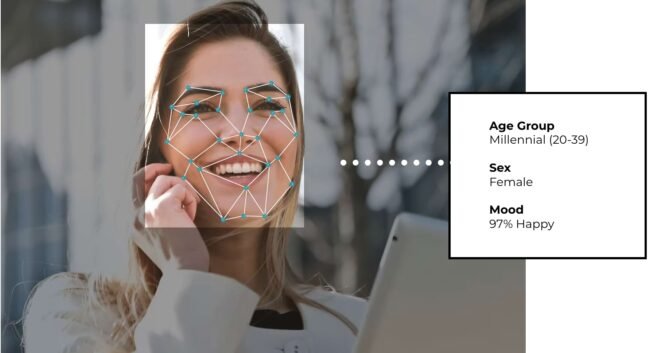
Maintain high production quality with excellent audiovisuals, smooth transitions, and thorough testing of all systems. For virtual or hybrid components, use multiple camera angles and interactive elements to create a dynamic experience for remote participants.
Switching perspectives keeps the sessions dynamic, making the experience more engaging for remote participants. Smooth transitions between sessions are equally important — use moderators or pre-recorded video segments to maintain energy and flow between agenda items.
To avoid unnecessary hiccups, run extensive technical rehearsals in advance. These dry runs help identify and fix potential issues so everything runs seamlessly on the big day.
Post-event success: Converting attendees into brand advocates
The event may be over, but your work is far from done. Post-event community engagement is where you turn satisfied attendees into loyal advocates for your brand. Here’s how you can nurture relationships, gather valuable feedback, and ensure a continued connection.
19. Maintain post-event communication
Just because the event has ended doesn’t mean the conversation has to stop. Keep attendees engaged by reaching out with thoughtful follow-ups. A personalized thank-you email is a great place to start — include highlights of the event, key takeaways, and links to recorded sessions for those who couldn’t attend everything.
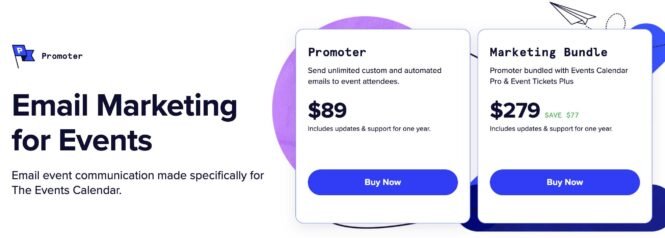
You can use tools like Promoter to create data-driven follow-up campaigns that segment attendees based on their engagement patterns and interests.
Engage a broader audience by creating an event debrief page. This page can feature presentation slides, networking opportunities, and downloadable resources, offering continued value to attendees while giving non-attendees a reason to explore your brand.
20. Measure and improve post-event engagement metrics
Data tells stories that impressions alone can’t capture. Start by collecting and analyzing key metrics such as registration rates, session attendance, and engagement levels during the event. These numbers give you a clear snapshot of your event’s success.
Post-event surveys are another powerful tool for gathering qualitative feedback. Ask attendees what they loved, what could be improved, and whether they’d attend another event. Use this feedback to identify trends, refine your strategies, and improve future experiences. Metrics and attendee insights together can help you make data-driven decisions that elevate your next event.
Compare results against pre-event goals to identify both successes and opportunities for improvement.
Putting it all together: Your complete engagement strategy
So, what’s the next step? Start by reflecting on how you want your attendees to feel when they leave your events. Inspired. Energized. Connected. Use these goals to shape every aspect of your engagement plan, from how you build excitement before the event to the steps you take to foster relationships afterward.

Nathan
View author page