
Virtual Event Marketing Mastery: From Strategy to Execution
Estimated reading time:
1 minute
The virtual events industry had a staggering $98.07 billion market size in 2024 and is projected to grow at a compound annual growth rate (CAGR) of 20% from 2025 to 2030.
But getting people excited about another virtual event isn’t as easy as it used to be.
“Zoom fatigue” is real, and your audience’s calendar is probably packed with so many online meetings and events that you are set to become a fuzzy memory two seconds after they sign up.
Okay, so maybe that’s an exaggeration. Still, if you are wondering why your tried-and-tested marketing methods aren’t delivering the same results or if your marketing dollars are actually paying off, you’re not alone.
That’s where this guide can help. We’ll look into some advanced virtual event marketing strategies that will get you more signups and help you create memorable events for your attendees despite their virtual screens.
Need for advanced virtual event marketing strategies
Modern-day virtual event marketers face three challenges that basic event marketing strategies cannot overcome.
Challenge 1: Standing out in a sea of virtual events.
Your target attendee receives dozens of event invitations every week. So how do you make yours the one they can’t resist? The answer lies in smart data — and lots of it. You need to become a digital detective and:
- Use advanced analytics and behavioral data to understand what makes your audience tick.
- Track not just who clicked on what but how potential attendees interact with every piece of content across multiple channels.
Challenge 2: Stepping away from generic messaging
Today, virtual events have evolved into immersive digital experiences that rival their in-person counterparts.
Your audience is looking for an experience. They’ve been spoiled by Netflix-style personalization and Amazon-level convenience. Basic “one-size-fits-all” marketing messages won’t grab their attention.
You need AI-powered tools to create personalized journeys for different audience segments, making each potential attendee feel like the event was designed just for them.
Challenge 3: Moving beyond counting heads
Sure, attendance numbers are nice, but they’re just the tip of the iceberg. Modern virtual event success is measured through sophisticated engagement scoring — participation levels in chat sessions, interaction with virtual booths, networking activity, and content downloads.
Tackling these challenges requires you to adopt and implement creative event marketing solutions. Let’s walk through some of these here. For the sake of convenience, we’ve categorized these by the planning stage of the event marketing process.
Pre-event marketing: Setting the stage for success
The weeks leading up to your event are showtime for your marketing team. This is when you build buzz, capture attention, and turn casual interest into can’t-wait-to-attend excitement.
So, how do you fill those virtual seats with eager, engaged participants who are ready to get maximum value from your event?
1. Develop a strategic timeline
Think of your virtual event marketing timeline like a countdown to a rocket launch — every phase needs to be perfectly timed for a successful liftoff. But how much time do you actually need? Well, that depends on your event’s size and scope.
For enterprise events (1000+ attendees), here’s your 12-week game plan:
- 8-12 weeks before the event: Launch thought leadership content and early-bird registration deals.
- 4-8 weeks before the event: Roll out staged speaker announcements and host interactive preview sessions.
- 1-4 weeks before the event: Run targeted remarketing campaigns to convert interested prospects.
For other event sizes:
- Mid-market events: Plan for an 8-week timeline with industry-focused content.
- Specialized events: A focused 6-week campaign highlighting your unique value proposition.
Want more info on creating the perfect marketing plan? Check out our comprehensive guide to event marketing planning.
2. Build an irresistible landing page
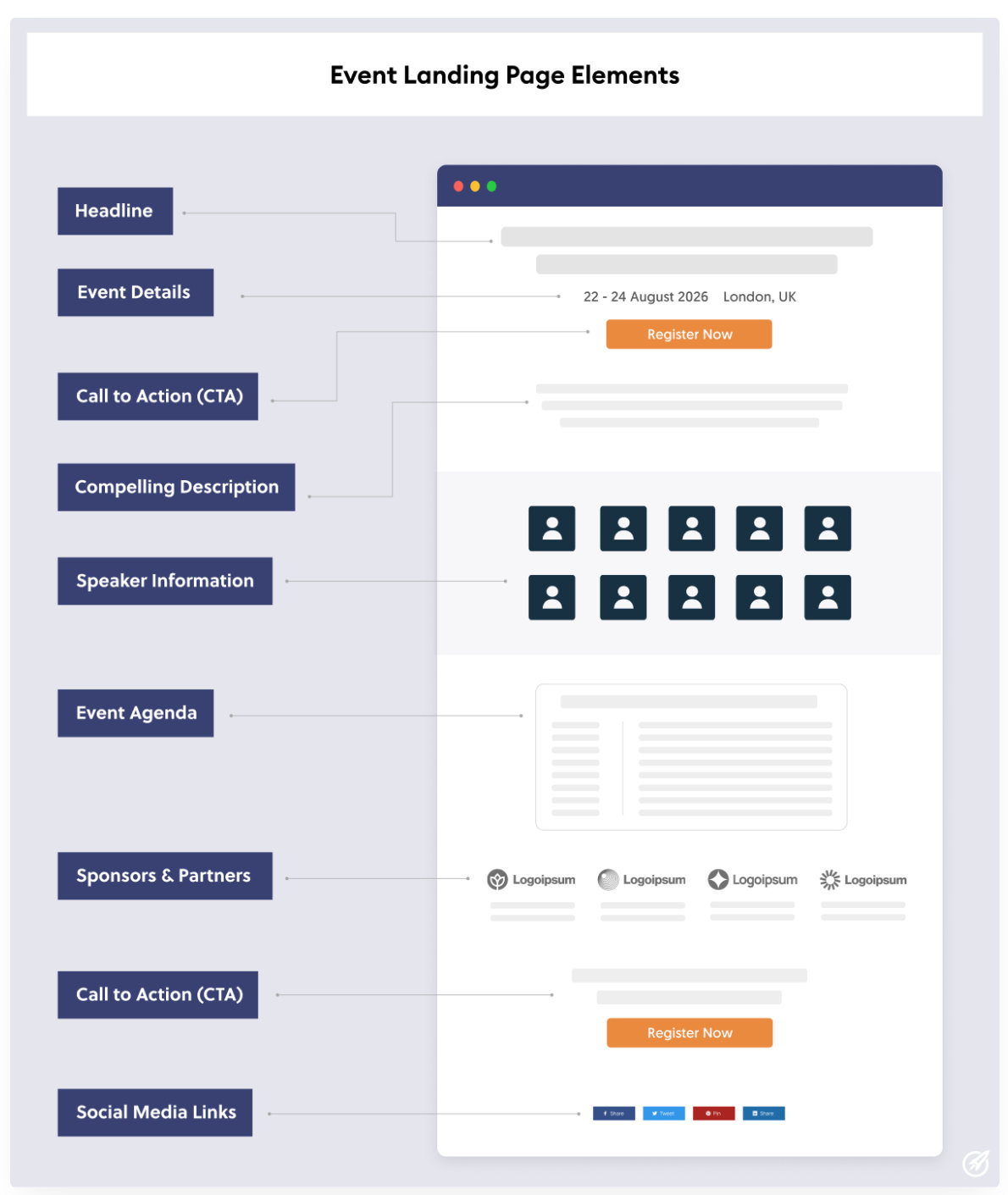
Your landing page needs to be powerful enough to stop scrollers in their tracks and make them think, “I can’t miss this!”
Credibility is crucial, so strategically placed social proof — like testimonials — can significantly impact conversion rates. Authentic voices from past participants carry more weight than any marketing copy.
For the data-driven decision-makers, include a calculator that clearly compares virtual versus in-person attendance costs. This practical tool helps justify the investment and demonstrates the tangible benefits of your virtual event.
To bring all these elements to life, add engaging visuals and short video teasers that capture your virtual experience’s energy and let potential attendees envision themselves as a part of your event.
3. Create an omnichannel marketing strategy
Your virtual event’s success hinges on meeting your audience where they already are. A well-crafted omnichannel marketing strategy ensures your event catches attention across multiple platforms while maintaining a consistent message.
Start by mastering your social media presence. Rather than spreading yourself thin across every platform, focus your efforts where your target audience spends their time. For professional events, LinkedIn often yields the best results, while Instagram and TikTok prove more effective for creative or consumer-focused gatherings.
Launch targeted ad campaigns to expand your reach, and don’t forget to retarget those who’ve shown interest by visiting your website. Create engagement opportunities through branded hashtags, live Q&As, and interactive polls or challenges that get people talking about your event.
Email marketing remains a powerful tool for direct communication with potential attendees. Segment your audience based on their interests or industries, allowing you to craft more relevant, personalized messages.
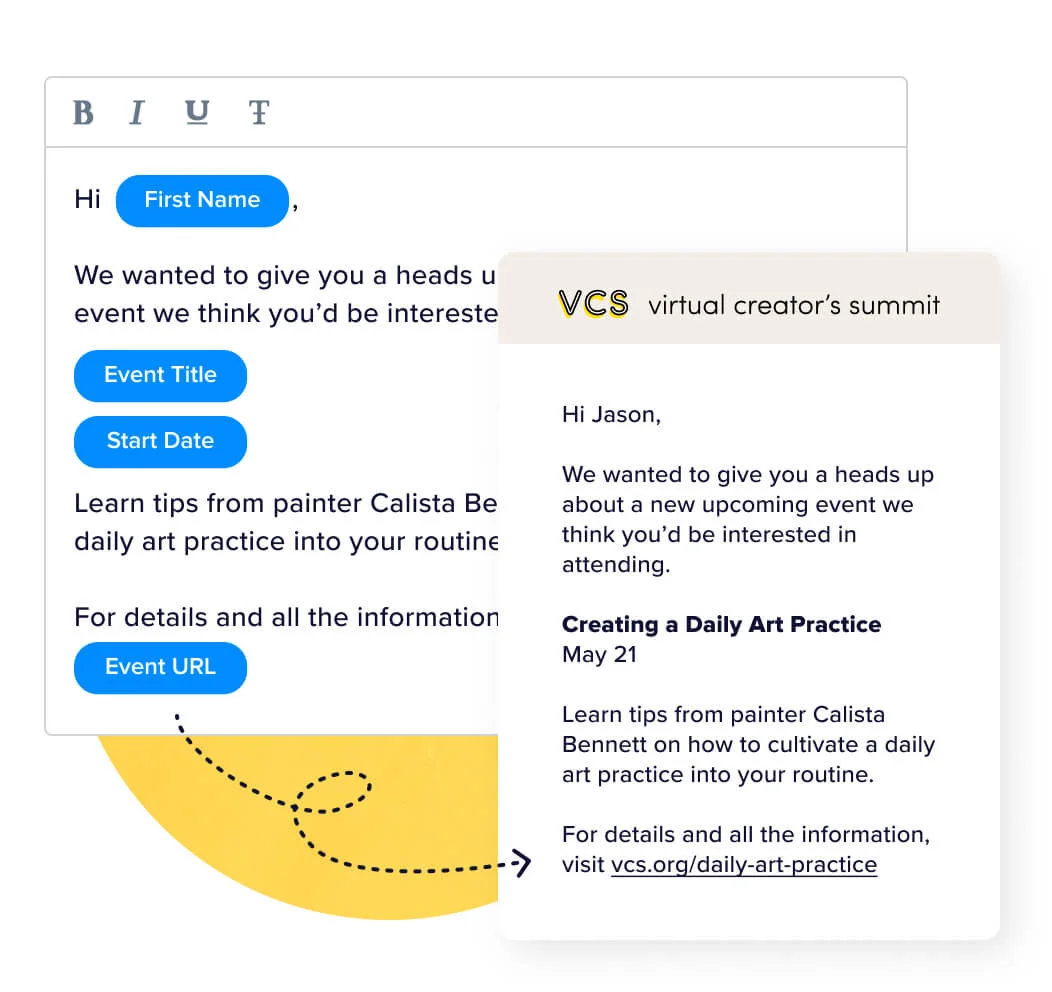
Deploy a strategic multi-stage campaign that begins with event announcements and evolves through to last-minute reminders. Use dynamic fields to personalize each email with attendee names and tailored content suggestions. Don’t forget to A/B test different elements like subject lines and call-to-action buttons to optimize your campaign’s performance.
Last but not least, make use of search engine optimization (SEO) to drive organic traffic to your event. Create valuable content around your event’s theme through blog posts and articles that address your audience’s interests and questions. Focus on specific long-tail keywords like “virtual marketing summit 2025” to capture highly interested searchers. Build credibility by securing backlinks from speakers, sponsors, and partners to your event page.
The secret to a successful omnichannel strategy lies in creating a cohesive experience across all platforms. Your branding, messaging, and value proposition should remain consistent whether someone discovers your event through social media, email, or organic search.
4. Maximize early registrations
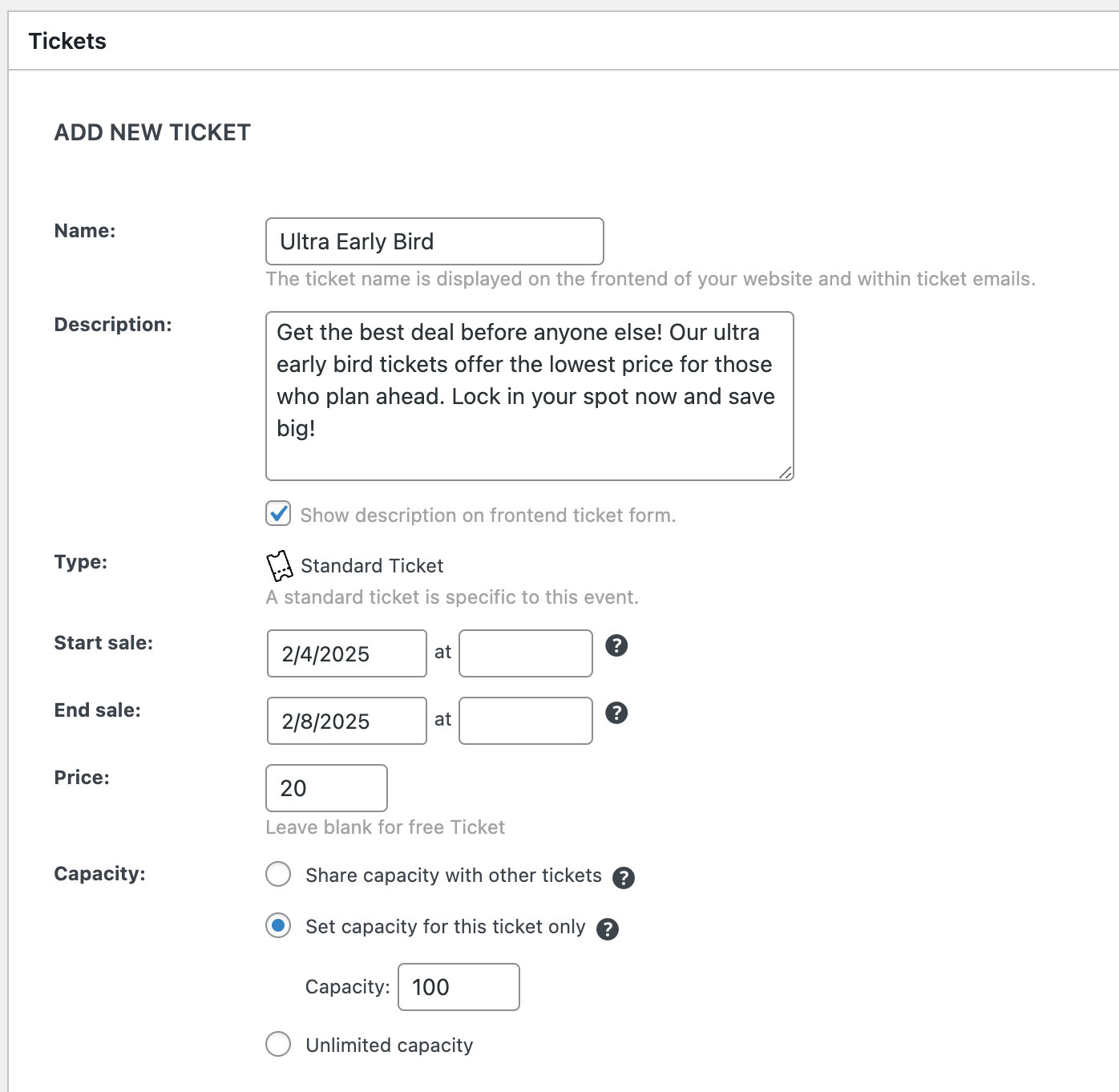
Want to fill those virtual seats fast? Early bird strategies are your secret weapon! To begin with, you can design a tiered pricing strategy that rewards early commitment while maximizing revenue. The classic three-tier model works particularly well for virtual events:
- Ultra Early Bird (First 100 tickets or 3 months before): Offer your most attractive pricing with exclusive perks.
- Early Bird (2 months before): Maintain a compelling discount while reducing additional benefits.
- Regular Price (Final month): Standard pricing with basic event access.
Create FOMO (Fear of Missing Out) by offering exclusive experiences for early registrants. This could include intimate “coffee chats” with keynote speakers, priority access to one-on-one networking sessions, or VIP virtual breakout rooms limited to 10 participants.
Build anticipation through strategic content drops. Release speaker announcements gradually, saving your biggest names for key registration deadlines. Share “behind-the-scenes” glimpses of your speakers preparing their presentations or quick-fire interview snippets that showcase their expertise. These teasers give potential attendees a taste of the value they’ll receive while creating social media-worthy moments.
Use countdown timers strategically throughout your campaign. Place them prominently on your landing page, but don’t just count down to the event date. Create multiple urgency points:
- Time until early bird pricing ends.
- Hours left for exclusive bonus content access.
- Countdown to speaker announcement reveals.
- Limited spots remaining in VIP networking sessions.
For hybrid events, create special incentives for virtual attendees. While in-person tickets might offer traditional networking opportunities, virtual passes can include unique benefits like:
- Extended on-demand access to session recordings.
- Exclusive digital workshops not available to in-person attendees.
- Virtual meet-and-greet sessions with speakers.
- Priority access to digital networking tools.
- Special swag boxes delivered to their door.
Communicate these benefits clearly and frequently. The key to successful early registration campaigns lies in making potential attendees feel they’re not just getting a better price — they’re joining an exclusive club with genuine advantages.
Marketing during the event: Driving engagement and interaction
The curtain’s up, and your virtual event is live, but your marketing job isn’t done yet! In fact, this is when things get really exciting. Now’s your chance to turn passive viewers into active participants and create those “wow” moments that get people talking. Here’s how to keep the energy high and engagement flowing throughout your event.
5. Boost virtual event ROI with data-driven personalization techniques
Your virtual event platform is a treasure map of attendee behavior — every click, comment, and download tells you something valuable about your audience. But the real magic happens when you use this data to create personalized experiences in real time.
Understanding your data starts with tracking meaningful engagement metrics, such as:
- Average time spent in sessions.
- Question submission rates.
- Resource download patterns.
- Networking activity levels.
- Poll participation rates.
Here’s where predictive analytics comes in handy. Like a weather forecast for engagement, it can help you spot potential drop-off points before they happen.
For example, if you notice attention typically dips after 45 minutes, you can launch an interactive poll to reinvigorate participation or transition into focused breakout discussions. Share downloadable resources that complement the current topic, or introduce AI-powered content recommendations based on individual interests. Sometimes, a surprise guest speaker or bonus content reveal can provide the perfect engagement boost.
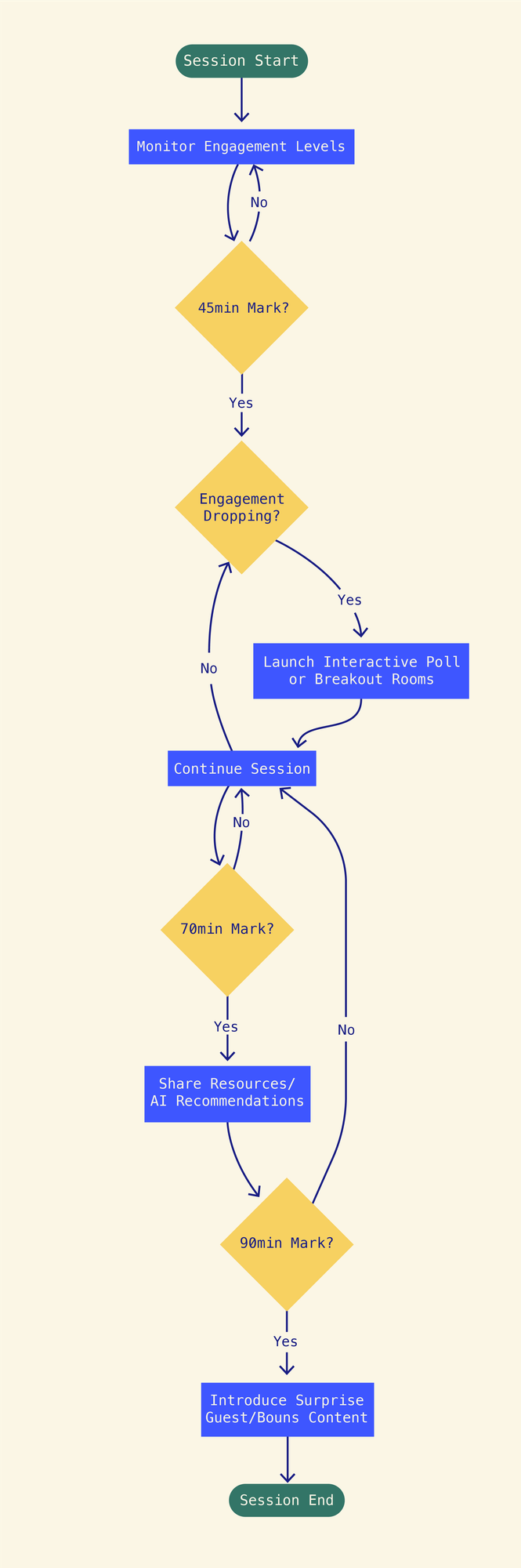
Use the power of smart automation to transform your event from a one-size-fits-all webinar into a dynamic, responsive experience. Set up behavior-triggered workflows that respond to attendee actions in real time. When participants show interest in specific topics, automatically suggest related sessions or connect them with like-minded attendees.
Pro tip: Keep an eye on your high-value attendees (those super-engaged participants) and create special interaction opportunities just for them.
6. Design immersive virtual event experiences that captivate attendees
Keeping virtual attendees glued to their screens is an art form. Try to convert passive viewing into active participation to keep attendees invested throughout your event.
- Structure your tracks so that each session naturally leads to the next while allowing for personal choice. Use AI-powered scheduling tools to help attendees create their perfect agenda, with smart recommendations based on their interests and previous session choices. Maintain momentum when transitioning between sessions with engaging content like speaker interviews or quick-hit insights.
- Make it interactive with second-screen experiences. While your main presentation delivers core content, complement it with interactive elements that enhance learning and retention. Launch synchronized polls that relate directly to the speaker’s current point or create digital workbooks that guide attendees through practical applications of the presented concepts.
- Bridge the virtual-physical gap with hybrid networking lounges. Use gamification elements like virtual scavenger hunts that require collaboration between both audiences. You can even create mobile apps for cross-platform engagement.
- Extend the value of your event beyond live sessions with asynchronous engagement opportunities. Create moderated discussion forums organized by topic, where attendees can deep-dive into specific subjects at their own pace. Launch challenge-based learning activities that participants can complete between sessions and then share their results with peers.
Most importantly, make every interaction feel purposeful and valuable. Whether it’s a quick poll during a keynote or an in-depth workshop, each engagement point should contribute to the attendee’s overall learning journey.
7. Overcome virtual event fatigue with innovative tactics to maintain audience interest
We’ve all been there — that glazed-over feeling after hours of staring at screens. Virtual event fatigue is real, and it happens when our brains get overwhelmed by extended screen time, lack of physical interaction, and information overload. But don’t worry! There are proven ways to keep your audience energized and engaged.
Micro-learning moments can help you get over this. Break up your content into 5-7 minute segments, followed by interactive elements that wake up those tired minds. Think of it like a virtual workout routine — alternating between different types of activities keeps everyone fresh and focused.
Engage multiple senses to make the experience more immersive:
- Visual: Dynamic presentations and graphics.
- Auditory: Music transitions and sound effects.
- Interactive: Hands-on activities and exercises.
- Collaborative: Group challenges and discussions.
Use AI to track viewing patterns, automatically make personalized session suggestions, and create smart networking matches based on participant interests. For example, you could use Cvent Attendee Hub, which uses machine learning algorithms to recommend sessions for attendees based on their interests.
8. Ensure inclusivity and expand global reach
Your virtual event should feel welcoming to everyone, no matter where they’re joining from or what language they speak. Creating a truly global event means thinking beyond time zones and language barriers; the experience has to resonate with diverse audiences worldwide.
Smart scheduling is your foundation for global access. Instead of forcing attendees to join at inconvenient hours, offer multiple session times and automated calendar conversions that make it easy for everyone to participate. Include clear “your local time” displays and enable session replay options so nobody misses out on valuable content.
Break down language barriers with:
- Real-time translation options.
- Multilingual chat support.
- Captioning in multiple languages.
- Translated resource materials
Technical inclusivity is just as important as cultural sensitivity. Ensure your platform offers low-bandwidth viewing options and mobile-friendly interfaces. Remember that not everyone has access to high-speed internet, so providing downloadable content for offline access can make a huge difference.
Create regional engagement paths that respect cultural differences and local preferences. What works in New York might not resonate in New Delhi — and that’s okay! Customize your approach for different regions while keeping your core message consistent.
9. Maximize sponsor and partnership value
Sponsors are crucial to your event’s success, but nobody wants their virtual experience to feel like one long commercial. A better solution is to have organic sponsor touchpoints that enhance the attendee experience rather than interrupt it.
Smart sponsor integration strategies include:
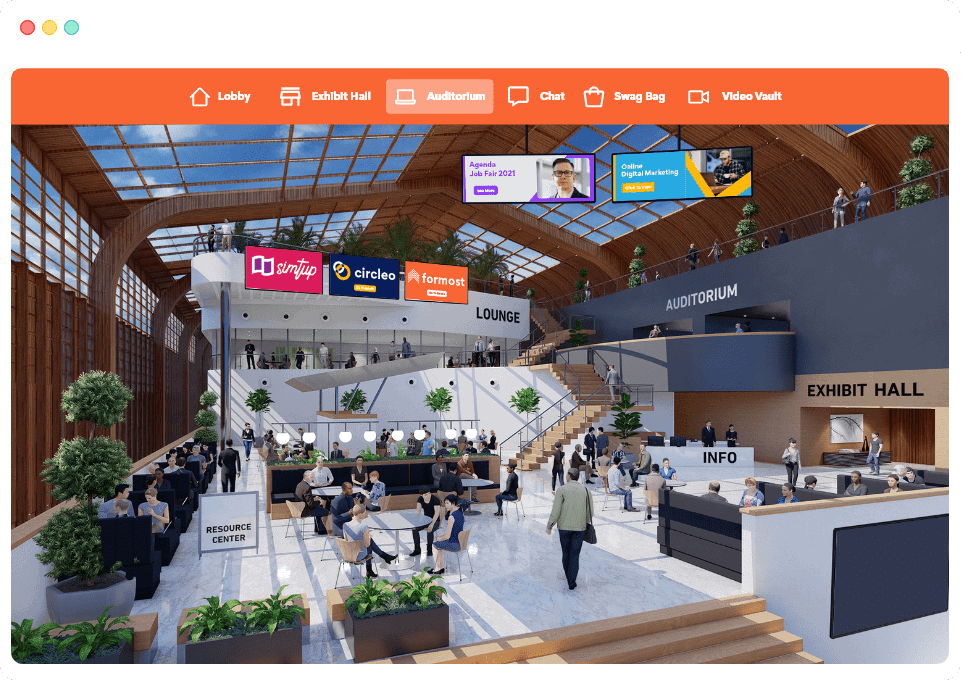
- Virtual expo halls with interactive booth features.
- Sponsored breakout rooms with valuable content.
- Gamified sponsor challenges with real prizes.
- Digital swag bags with exclusive offers.
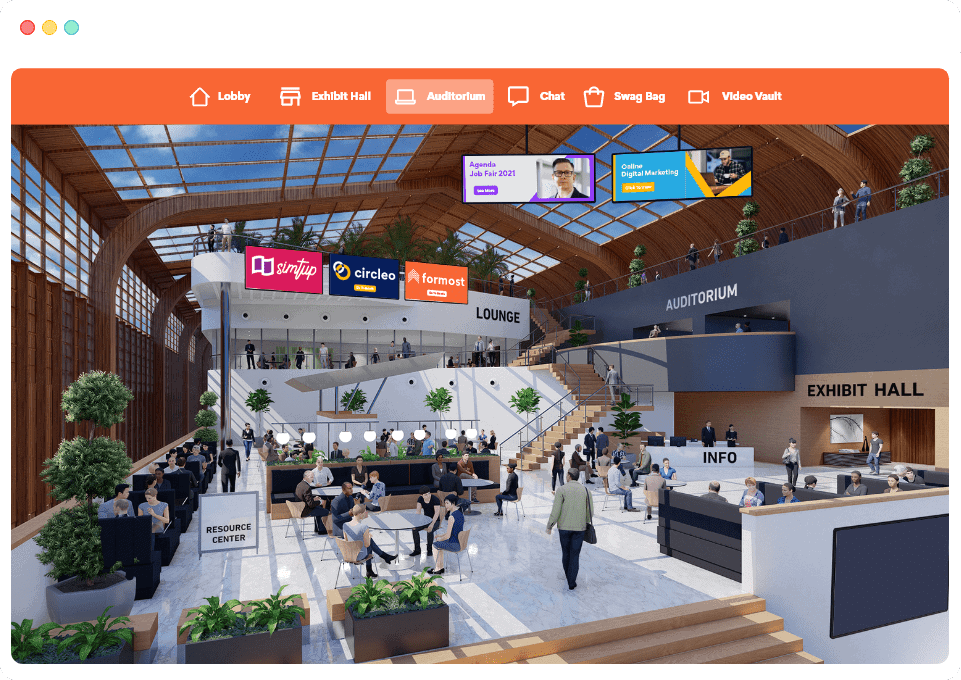
Track sponsor success through engagement metrics like booth visit duration, resource downloads, and interaction rates. Remember, when sponsors succeed, your event succeeds!
10. Elevate the event with innovative technologies
Technology is the backbone of your virtual event – it should be strong but flexible and, most importantly, invisible to your attendees. The goal is to create such a smooth experience that participants focus on the content, not the platform.
Connect your virtual meeting platform with your event scheduling system, like The Events Calendar, so attendees can seamlessly join. Set up smart notifications that respond to engagement patterns; if someone’s been inactive for a while, give them a gentle nudge with a personalized suggestion.
On the flip side, going overboard with tech integrations can make the event feel disjointed and impersonal. Before adding any new software to your tech stack, ask yourself: “Does this make the experience better for attendees?” If the answer isn’t a clear “yes,” it might not be worth the complexity.
Post-event marketing: Extending ROI beyond the event
A successful event can become a content engine that creates value and drives engagement for months to come. Strategic content repurposing and targeted follow-up campaigns are the starting point, but there’s much more that you can do.
11. Build a community around virtual events for year-long engagement
Your virtual event created buzz, connections, and excitement — now it’s time to turn that momentum into a thriving year-round community!
First, create dedicated spaces where your community can flourish. Set up industry-specific discussion forums, special interest groups based on event topics, and expert corners for thought leadership sharing.
Second, empower your community members to become content creators. Launch a curator program where engaged participants can share their expertise through real-world case studies and mini-workshops.
Third, keep the energy high with regular engagement opportunities, such as monthly virtual roundtables, expert Q&A sessions, community challenges, and member spotlight features.
Monitor your community’s health by paying attention to discussion quality and frequency, tracking meaningful connections between members, and measuring knowledge-sharing activities. These metrics tell you whether your community is truly thriving or needs a boost.
12. Analyze attendee behavior for actionable insights
Time to put on your detective hat and uncover the story your event data is telling you. Map attendee journeys, from first touch to final follow-up. Where did people get excited? Where did they drift away?
These patterns are like breadcrumbs leading you to what works best. Pay special attention to engagement levels, content preferences, and participation styles. They’ll help you create smarter audience segments for future marketing.
Look for content that really resonated by analyzing your most-watched sessions, highly-shared resources, and popular discussion topics. These insights can be your roadmap to creating even more compelling content next time.
Build lookalike audiences based on your most engaged attendees. If they loved your event, chances are others like them will, too! Use these profiles to expand your reach and attract more of your ideal participants to future events.
13. Gather feedback through surveys and implement it to enhance future events
Want to make your next virtual event even better? Start by getting smart about how you collect and use feedback. Instead of sending the same generic survey to everyone, create targeted questionnaires for different attendee groups. The reason is simple — your VIP sponsors will have different insights than first-time participants.
Focus your surveys on specific aspects of the event experience, from session content and delivery to networking opportunities and platform usability to technical support.
Here’s a clever trick: use progressive profiling to gather deeper insights over time. Instead of overwhelming attendees with one massive survey, send shorter, focused questions at different touchpoints. Match these responses with actual engagement data to validate what people say against what they actually did during your event.
When it’s time to make changes, prioritize improvements that align with your key business goals. Set clear metrics to measure the impact of each change. After all, if you can’t measure it, you can’t improve it!
14. Share learnings across teams for continuous growth
Your event insights are pieces of a puzzle – marketing knows what content resonated, sales understands what leads converted, and product teams see how features were used. When these teams share insights regularly, everyone wins.
Create a central dashboard where teams can track key metrics like engagement rates, conversion patterns, and audience behavior. This becomes your single source of truth, helping everyone stay aligned and make data-driven decisions.
Make knowledge-sharing a habit by scheduling regular cross-team reviews. These collaborative sessions are where teams can share success stories and challenges, brainstorm new approaches, refine existing strategies, and plan future improvements.
For future events, test new ideas on a small scale before rolling them out widely. What looks good in theory needs to prove itself in practice!
The Events Calendar suite: Your technology stack for virtual event marketing
For WordPress users looking for a feature-rich toolset to bring these virtual event strategies to life, The Events Calendar’s Event Marketing Bundle is a great option. This includes three plugins that address three core virtual event marketing requirements.
Events Calendar Pro
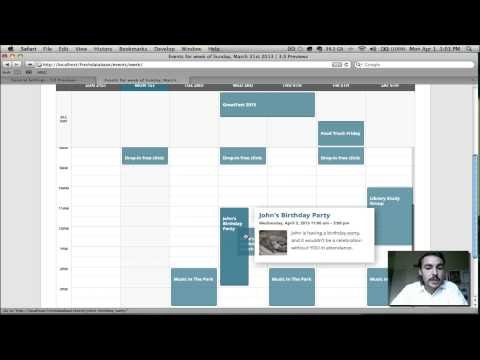
- Display virtual events using photo, week, or day views to make them engaging and easy to explore.
- Add direct links to platforms like Zoom, Microsoft Teams, or Google Meet in your event details.
- Automate scheduling for ongoing events like webinars, workshops, or classes using the recurring events feature.
- Enable location-based or tag-based search to help users find virtual events relevant to them.
- Connect with Zapier or MS Power Automate to sync event data with your marketing tools or CRM.
Event Tickets Plus
- Use Event Tickets Plus’ native Tickets Commerce or integrate with WooCommerce to sell virtual event tickets directly from your site.
- Use custom registration fields to collect attendee preferences or other data to tailor the virtual event experience.
- Track attendee interest in free events while building a lead database for future campaigns.
- Access attendee insights and ticket sales data to refine your strategies.
- Use shortcodes to offer flexible ticket display options, such as ticket purchase options on any page or post.
Promoter
- Automate attendee communication with scheduled email reminders, updates, and post-event follow-ups to keep attendees engaged.
- Create personalized messages using dynamic content to customize emails based on attendee details.
- Automatically pull attendee data from Event Tickets Plus for precise email targeting.
- Use custom, professional, branded templates to maintain a polished look.
- Share session highlights, resources, or next event promotions to drive engagement after your virtual event concludes.
Upgrade your virtual event marketing capabilities today
We’ve covered a lot of ground together, haven’t we? From building pre-event excitement to creating year-round communities, it’s clear that modern virtual event marketing is both an art and a science. Success comes from blending strategic thinking with the right technical foundation — and that’s where many event marketers struggle.
Fortunately, you don’t have to piece together multiple complex systems to create professional virtual events. At $289 per year, the Event Marketing Bundle from The Events Calendar is an excellent toolkit to start with, and you can scale up to other dedicated marketing tools as required.
Ready to transform your virtual events into unforgettable experiences? Get the Event Marketing Bundle today.

Nathan
View author page